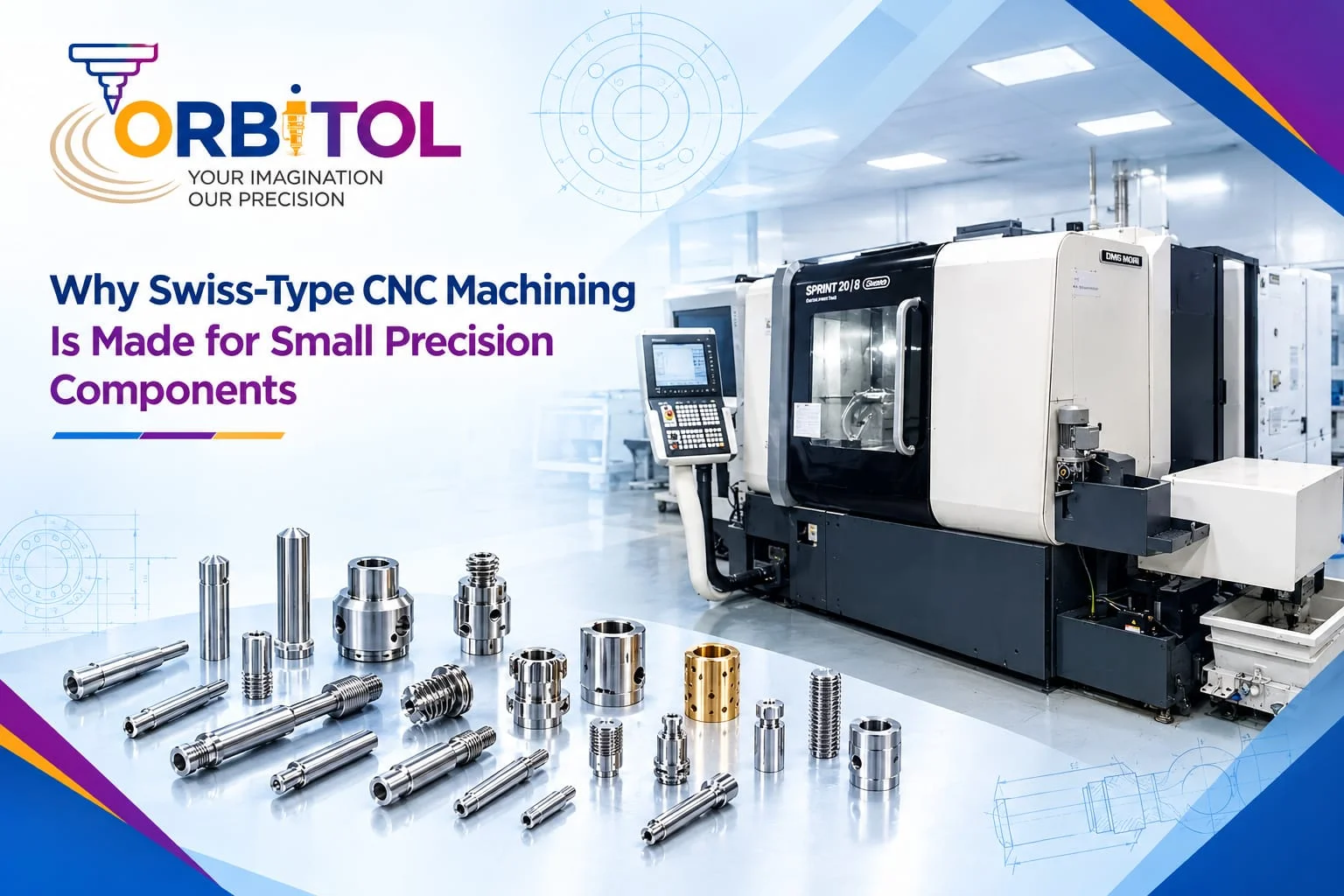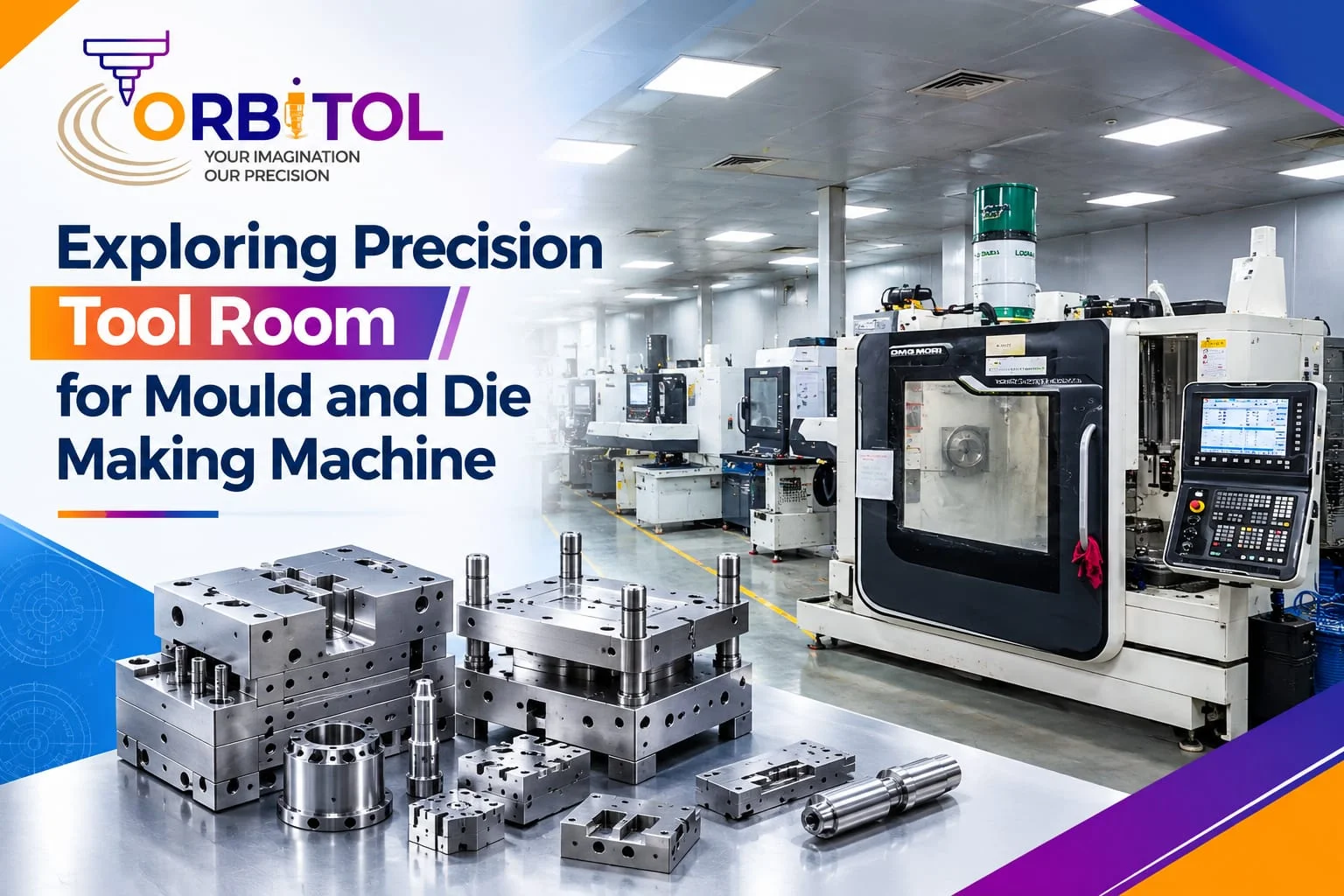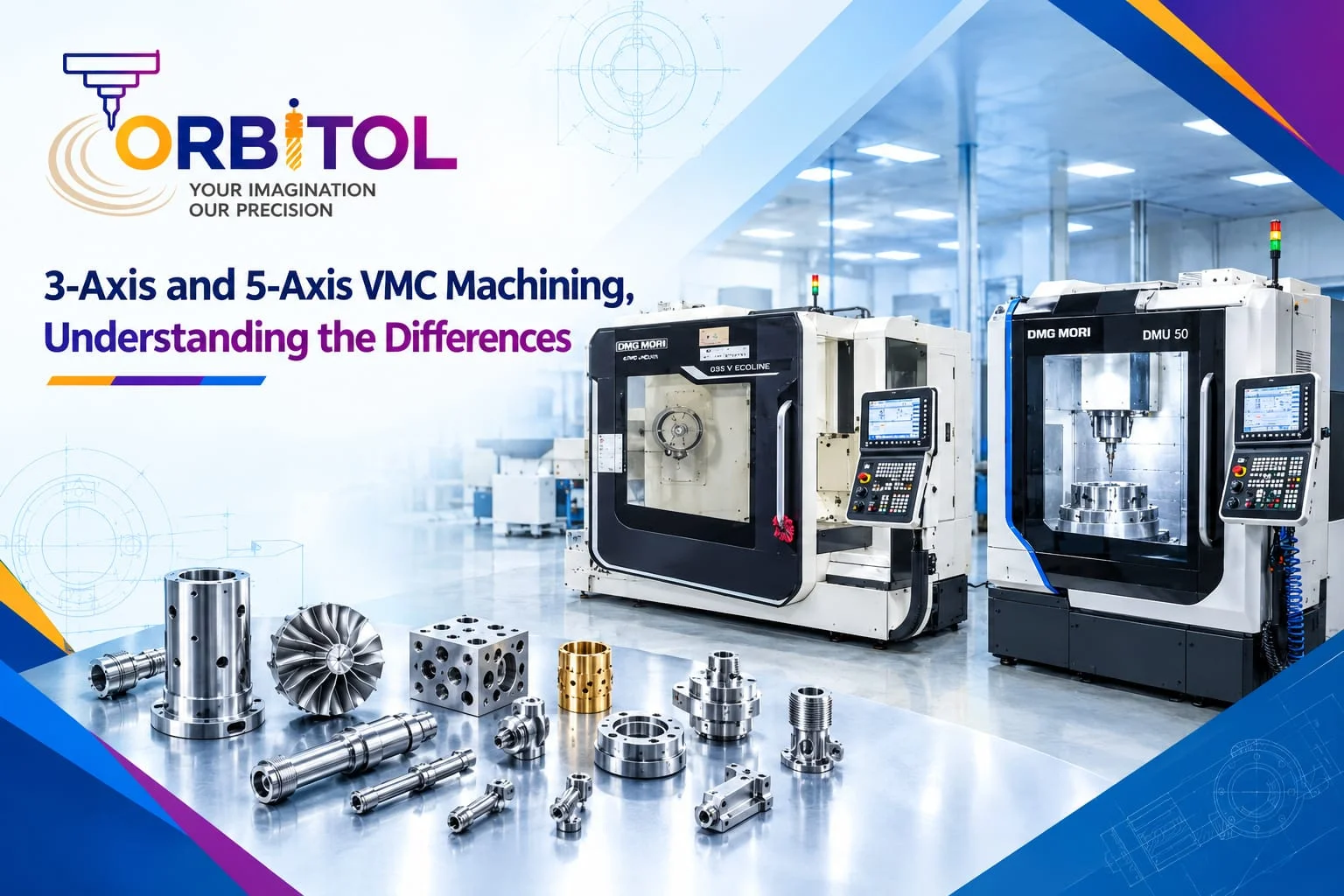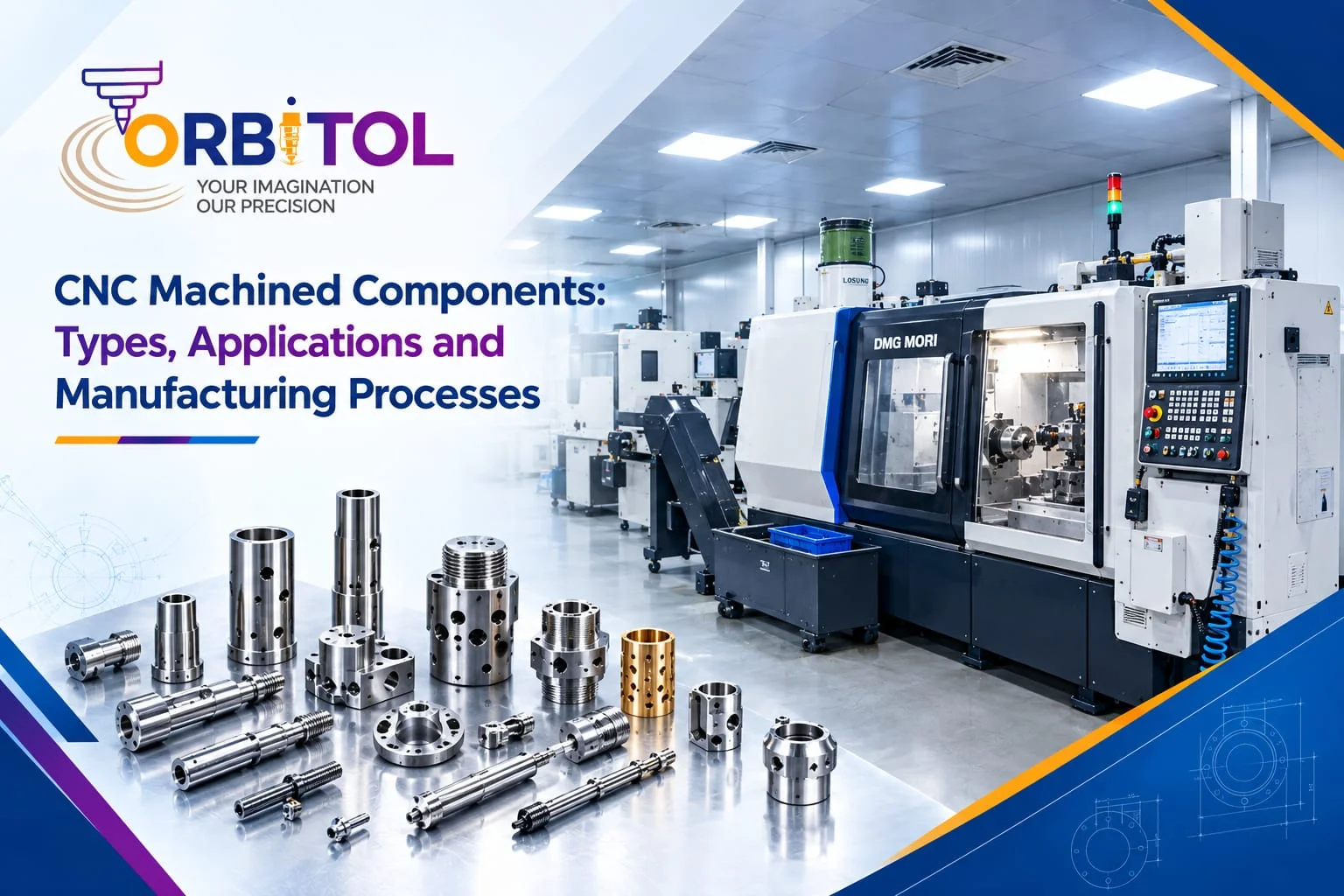
Behind almost every accurately made component. There is usually a carefully built tool, fixture, mould, or die quietly making that consistency possible. Nobody thinks about them much, but without them, repeatable precision manufacturing just doesn’t happen. That’s the whole job of a Tool Room a specialized corner of engineering built around precision tooling and custom-machined components. Mould cavities, dies, jigs, fixtures a tool room handles all of it, giving manufacturers a way to actually hit. The dimensional and quality demands their products need.
A good tool room isn’t just machines. It’s skilled machinists, solid engineering know-how, the right equipment, and inspection methods. That actually catch problems. CNC machining, VMC machining, Precision Drilling, and Micro Machining. Are among the processes used to create tools capable of meeting specific size and finish requirements. When the aforementioned processes are effectively carried out. Everyone throughout the production and manufacturing chain benefits.
This guide reveals the inner workings of tool room manufacturing. Including the most common machines utilized in this process. And how all of this benefits industries in practice.
Table of Contents
1. What Is Tool Room Manufacturing?
2. Key Processes Involved in Tool Room Manufacturing
3. Essential Machines Used in a Tool Room
4. The Role of Precision and Quality Control
5. Applications of Tool Room Manufacturing Across Industries
6. Benefits of a Well-Equipped Tool Room
7. Conclusion
1. What Is Tool Room Manufacturing?
The manufacturing aspect of tool room includes designing, producing, improving, and maintaining. Tools and machinery employed in industry to manufacture specific items. Such as molds, punches, jigs, gauges, molds, and all other types of machine parts. While high-volume production aspects require the production of the same parts. In high quantity, tool room manufacturing gives priority to precision. Flexibility in designing and producing the tools.
A tool room gets involved early, right at the start of the production chain. Before a component can be manufactured again and again. Somebody has to build the tooling that makes. That repetition possible shaped around the part’s design, material, dimensions. How it’ll actually be used. A plastic injection mould, for instance, needs cavities and cores machined. With real precision so the parts coming out. Of it have the right shape and finish.
A stamping die faces the same demand it has to be designed and built to form sheet metal accurately. Without drifting off the required dimensions. Repair and maintenance fall under the tool room’s job too. Tools wear down, get damaged. Or shift slightly out of spec after enough use. Detecting a problem in tool performance early. Through constant inspection of tool state helps an expert to maintain tool performance at required levels and avoid unpleasant stoppages in production cycle of the whole sector.
A manufacturer tool room serves as a link between engineering design and actual work on manufacturing processes in the plant. Manufacturing done by the tool room ensures quality, competitiveness, and effectiveness of the products that eventually pass through the production line.
2. Key Processes Involved in Tool Room Manufacturing
The tool room operations consist of some planned steps, however, the order of the steps may differ. Each project includes its peculiarities but there are some common stages.
Design and Process Planning
Every tooling project starts the same way with a clear read on the component drawing and what it’s actually meant to do. The engineers put much thought into various dimensions, its geometry, its materials, its tolerance and how the tool will be manufactured before coming up. With a design on the drawing board. Help of the CAD software, thereafter the CAM software takes charge of creating machine programs to implement the design.
Being well-prepared requires thorough planning and proper selection of machines, tools and instruments. To carry out the intended project.
CNC Machining
CNC machining is a common practice used to achieve. High precision cuts at the tool room stage.
Depending on the type of machine and its specifications, certain operations could be performed like milling, boring, or contouring while processing steel and other materials. Once the program and setup check out, CNC equipment reproduces that geometry consistently, part after part. That said, skilled operators still matter a lot here choosing cutting conditions. Watching machining performance, and checking the finished work all still come down to human judgment.
VMC Machining
VMC machining is highly required in the manufacturing of tooling plates. Mould blocks, inserts, and other parts that require accurate processing in milling operations. Vertical machining centers make use of the vertically positioned spindle and do milling. With face, pocket, hole, and contour techniques with equal success.
For tool room work specifically. VMC produces flat surfaces and more complex features. While holding dimensional consistency throughout. Which cutting tools, work holding method, machining sequence, and finishing strategy get used really comes down. To the component’s own design and material.
Precision Drilling and Micro Machining
Some tooling components need holes positioned, sized, and depth-controlled with real care. Precision Drilling does exactly that: guides system, cooling channels, and location. Depending on the shape and tolerance of the holes in the component being machined, drilling can be followed by reaming, boring, or any other finishing process needed to get the exact specification.
Micro Machining is used when dealing with parts. That have very small features, hence proper handling techniques. Small slots, tiny holes, narrow grooves, detailed work means using special equipment and optimum working conditions.
Tool Assembly and Finishing
Once the individual parts come off the machine. They often still need grinding, deburring, polishing, fitting, or assembly before the tool actually works the way it’s supposed to. In mould and die projects especially. How well mating components fit together really matters even. Small dimensional mismatches can throw off the final product.
Only after all of that does the completed tool get checked against its drawing and application requirements and signed off for use.
3. Essential Machines Used in a Tool Room
In a tool room the choice of the machines available for the work done depends on what can be done in-house and how the components would be processed. A well-balanced set of machines allows the producers to choose which method is the most appropriate for implementation rather than insisting on using one production method for all the operations that take place.
CNC Milling Machines and VMC
CNC milling machines have the so-called multiple cut production technology that eliminates unnecessary material using rotating cutting tools in a fixed program mode. In manufacturing, the machines are mainly used for making profiles, slots, pockets, and other shaped surfaces in tooling. A VMC fits a number of mold and die components very well as it enables to perform multiple operations at a time without changing the machines constantly. The machine capacity, its speed, its ability to change tools, the range of motion in various axes, and the work size are all important in determining whether a machine performs the work correctly.
CNC Turning Machines and Conventional Lathes
Turning machines are used to produce cylindrical. Parts like rods, tubes, and bearings in various shapes and sizes. During the process of turning, the work piece spins. While cutting the edge creating the required geometry.
CNC turning machines offer the amazing opportunity to produce parts. Of fixed geometry with amazing repeatability. But, the use of traditional lathes is still popular, especially in the case of repairs, simple modifications, and situations. When it is better to perform the work manually. Rather than use CNC machine programming.
Grinding Machines
Grinding is used in cases when the required surface quality is very high. Grinding is categorized into two types. Surface grinding and cylindrical grinding based on the geometry of the Components. Grinding is typically the last operation in the manufacture of components. That have to match one another. The grinding technique will be chosen according to the material used and the dimensions required.
Drilling Machines and EDM Equipment
Drilling machines are used to make holes for fixing, aligning, moving fluid, or any other purposes needed. The appropriate drilling method is determined by the hole’s diameter, depth, location, and the material.
Electrical discharge machining (EDM) is important. When it is necessary to make complex features. Wire EDM makes left sections accurately. While sinker EDM produces shapes of cavities, using the shape of the electrode. Both methods are used with milling and drilling, to create complex tooling.
Inspection and Measuring Equipment
Measuring equipment matters just as much as the machines doing the cutting. Vernier calipers, micrometers, dial indicators, height gauges, bore gauges these instruments verify dimensions and alignment at every stage. The specialized measuring systems are required in case the shape of the object is complicated or very accurate tolerances are required. Combining the right machines. With the measuring instruments gives a possibility to the tool room to perform multiple operations. Without compromising quality.
4. The Role of Precision and Quality Control
Precision sits at the heart of tool room manufacturing. Mostly because the tools produced here end up determining the accuracy of everything else made with them. A small error in a mould cavity, a die profile, or a locating feature doesn’t stay small it shows up in every single part. That tool ever produces. That’s why quality checking must happen all through the operation and not merely in the end of the whole process.
It starts from the comprehension of the drawing and figuring out what parameters are significant, for example, the hole location, flatness, parallelism, surface conditions, outlines. how well components would join together. As a result, operators can choose the right machine processing methods and inspection tools for particular operations. The importance of machine condition and setting precision is far greater than most people might think. Proper application of tool offsets, getting adequate work holding in place, choosing appropriate machining parameters, and maintenance leads to a substantial reduction of dimensional variability.
Inspection doesn’t happen just once it happens at the right points throughout production. Dimensional measurement is conducted after the rough machining stage, again before finishing, and once more in the end of the process in case any issues are identified. For real sophisticated parts, a detailed inspection plan will be needed to verify each significant feature against the engineering drawing. And quality control doesn’t stop the moment a tool is finished, either. Trial runs, fit checks, and feedback from actual production often reveal things that still need adjusting. That feedback loop is what makes a tool better over time and what keeps manufacturing consistent long after the tool first goes into service.
5. Applications of Tool Room Manufacturing Across Industries
Tool room manufacturing touches a surprising number of industries, mostly because so much production equipment depends on tooling that simply doesn’t exist off the shelf. The specific design and machining requirements shift from one application to the next, but the underlying need reliable tools, accurate components stay the same everywhere.
Automotive Manufacturing
Automobile manufacturing can only be complete with the aid of dies, mould, appliances, gauges, and other tools. The tool shop secures the production of the tools that are responsible for metal-shaping, classifying, and assembling processes. Accurate fixtures keep parts positioned correctly, and properly built dies keep forming operations consistent run after run.
Aerospace and Engineering
Aerospace and broader engineering work often deals with complex shapes and demanding dimensional requirements. Tool rooms support this with specialized fixtures, inspection aids, and machining components used throughout manufacturing with the specific processes shaped by the component’s design, material, and whatever quality standards apply.
Plastic Injection Molding
Injection moulding depends entirely on mould built to form molten plastic into exact shapes. Cavities, cores, cooling features, and alignment components all need to be manufactured and fitted with real care. Tool room work carries this through from initial mould development to modifications, maintenance, and repair keeping production running without sacrificing part quality.
Electronics and Small Components
Electronics often means compact parts packed with fine details and tightly positioned features. Micro Machining and precise drilling operations frequently handle the specialized tooling and components these applications demand. Working at such small dimensions makes the accurate positioning, as well as proper inspection methods, of particular importance.
Industrial Equipment and Customized Tools
Industrial machinery manufacturers may require the production of various jigs, fixtures, holders, dies, or even replacement parts, among others. A capable tool room builds these to match application requirements and can modify existing tools as production needs shift over time. Across every one of these sectors, the real value of tool room manufacturing comes down to one thing supporting the kind of specialized production needs that off-the-shelf tooling was never built to handle.
6. Benefits of Tool Room
A good tool room can improve a manufacturing process in several ways. Perhaps one of the most important advantages of a tool room is that it enables the tool to be designed according to the needs of the specific product, machines, or process rather than working with what is available. Production consistency follows close behind. When mould, dies, and fixtures are built and maintained accurately, variation between manufactured parts drops significantly — which matters enormously in any process where the same component gets produced over and over.
A tool room supports product development too. The prototyping stage or the initial stages of production may sometimes require alterations in the design process resulting in changes in the tools as well. Establishing an optimized process to better control machining, fitting, and inspection of tools will provide the advantage of quick assessment of redesign of the item and its tools to go into mass production.
For manufacturers, the real goal was never just owning more machines. It’s building the right mix of equipment, skilled people, careful process planning, and real quality checks. Get those elements working together, and a tool room becomes a genuinely valuable part of the bigger manufacturing system — not just another cost center.
Conclusion
Tool room manufacturing plays an integral role in the creation and maintenance of the tools necessary for industrial production. The design, material selection, machining, finishing, assembly and inspection of a manufactured tool all affect the end result and performance of the tool. Processes such as CNC machining, VMC machining, Tool and Die manufacturing, Micro Machining and Precision Drilling allow for the production of a variety of tools to meet the needs of different applications.
Proper selection of processes and equipment are critical to a manufacturer’s ability to produce consistent, quality parts. At Orbitol Intelligence, machining expertise and a real focus on precision support the production of mould and die components, tooling, and custom precision parts. Understanding how tool room processes actually work helps businesses make smarter decisions about their tooling needs and keep production running the way it should.