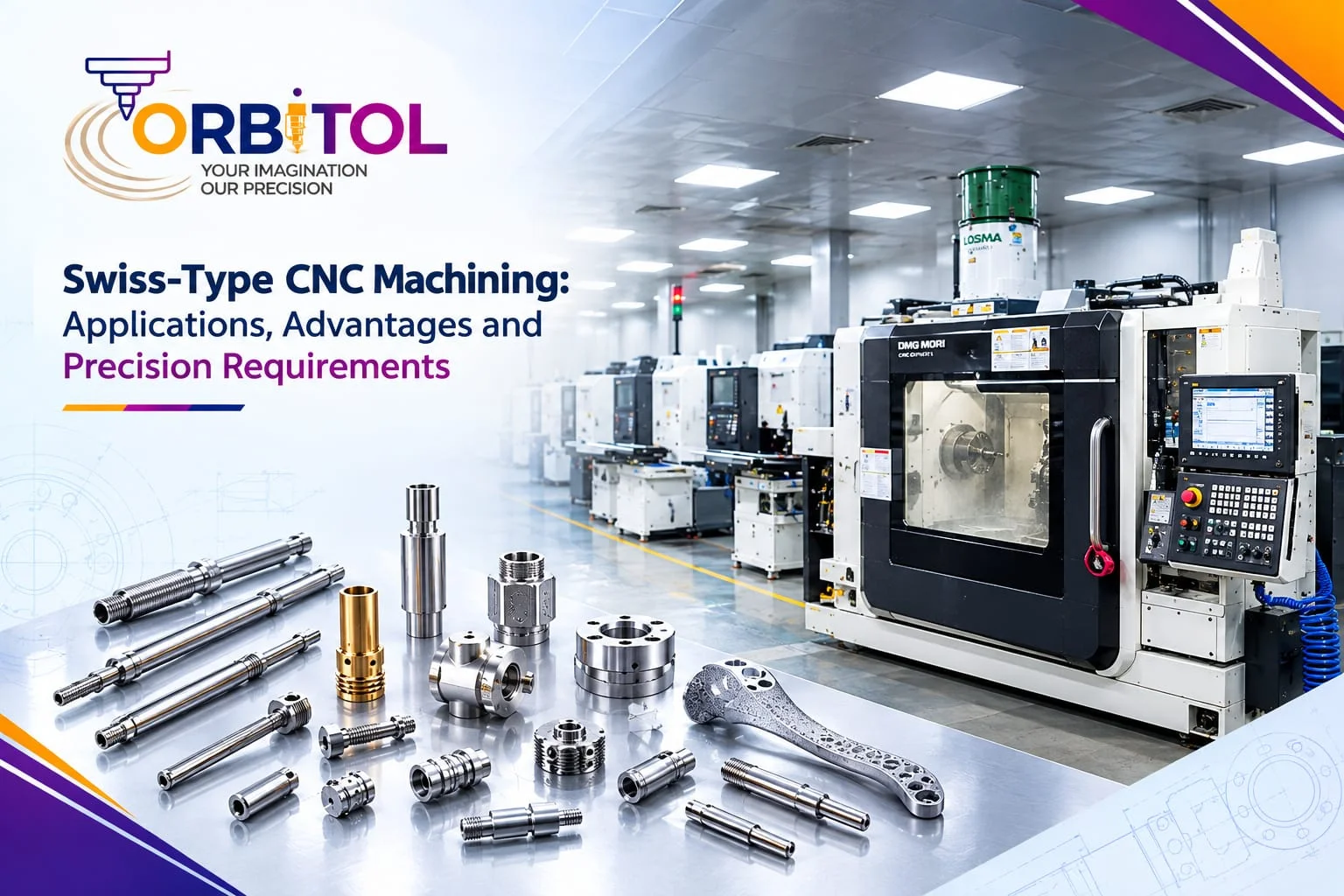
DMG MORI SPRINT 20/8 supports precision Swiss-Type Machining for manufacturing small and complex automotive components. The sliding head technology permits precision machining of complex shapes, close measurements, and uniform surface quality. Swiss Type Machining can be used to manufacture precision auto parts in which exact dimensions and constant manufacturing quality are required. At Orbitol Intelligence, advanced machining capabilities support the manufacturing of precision components for demanding automotive applications. From small turned parts to complex components, Swiss-Type Machining helps achieve reliable production, efficient material removal and consistent component quality.
Table of Contents
- Understanding Swiss-Type Machining for Small Automotive Components
- Why Small Automotive Components Require Swiss-Type Machining
- Inside the DMG MORI SPRINT 20/8, Spindles and Tooling
- Achieving High Precision Machining for Small Components
- Key Factors Affecting Quality in Sliding Head Machining
- Swiss-Type Machining Capabilities at Orbitol Intelligence
- Conclusion
1. Understanding Swiss-Type Machining for Small Automotive Components
Small automotive parts have an important role in modern cars performance, safety and reliability. These parts such as shafts, pins, bushings, parts of valves and precise fasteners. Should have appropriate size and surface quality in order to work properly with bigger assemblies. The production of these components can be performed with use of controlled method of turning, proper tooling and the required consistency of production. One of the precision manufacturing processes used in the production of small and thin components. From bars is Swiss-type turning. This method is especially good for parts of small sizes and length. With complicated geometry requiring precise dimensions.
A Sliding Head CNC Machine uses computer-controlled movements to coordinate component feeding and cutting operations. Unlike conventional turning, where component generally rotates in a fixed position inside a chuck, traditional Swiss-type machining uses a sliding headstock and guide bushing. The bar advances through the guide bushing, which supports the material near the cutting tool.
How Swiss-Type Machining Works
In Swiss-type manufacturing, rods of stock material are run through as well as close to the cutting tool on the spindle. The programmed movements of the work piece and the cutting tool are determined by the CNC program so that the shape desired can be produced. Roughing and finishing operations are performed according to the component drawing and machining sequence. Modern production turning machines can also combine several operations through driven tooling and counter-spindle arrangements. This allows suitable components to undergo machining on multiple surfaces. Without repeated manual handling.
For automotive manufacturers, Swiss-type machining provides a practical method of producing small turned components. With repeatable dimensions, consistent surface characteristics and controlled production cycles.
2. Why Small Automotive Components Require Swiss-Type Machining
Automotive manufacturing depends on numerous small components used in engines, transmissions. The braking system, fuel system and other assembly parts. These components typically have specific need for diameter, groove, shoulder, hole, and thread machining.
The making of small automotive components is extremely difficult due to their sensitivity. When exposed to the vibrations and deflections put into the materials given by the machining process. It is particularly true for the turning process of the small, slender component; problems might arise due to bending of the piece. Throughout the process and causing problems. With dimensions and the surface quality. Swiss-Type Machining addresses this challenge through close component support near the cutting zone. The guide bushing helps maintain stability during machining, particularly for long and narrow components. This arrangement can reduce deflection and support more consistent machining results under suitable cutting conditions.
Dimensional Consistency and Production Requirements
Automotive manufacturing frequently involves repeated production orders. Where components must maintain consistent dimensions across multiple batches. Variations in diameter, length, concentricity or surface finish can affect component fitting and the performance of interconnected assemblies.
A properly programmed Sliding Head CNC Machine can repeat established machining sequences. And coordinate multiple operations. When combined with suitable cutting tools, stable Component and regular inspection, it supports repeatable production.
Material utilization is another consideration. Small turned components are commonly manufactured from bar stock, and the machining strategy must account for bar dimensions, component geometry and cutoff requirements. Proper planning helps reduce unnecessary material waste and improve production efficiency.
Swiss-type machining is particularly relevant. When automotive components combine slender geometry, multiple turned features and repeat production requirements. The selection of the process should always depend on the component drawing, material and specified tolerances.
3. Inside the DMG MORI SPRINT 20/8, Spindles and Tooling
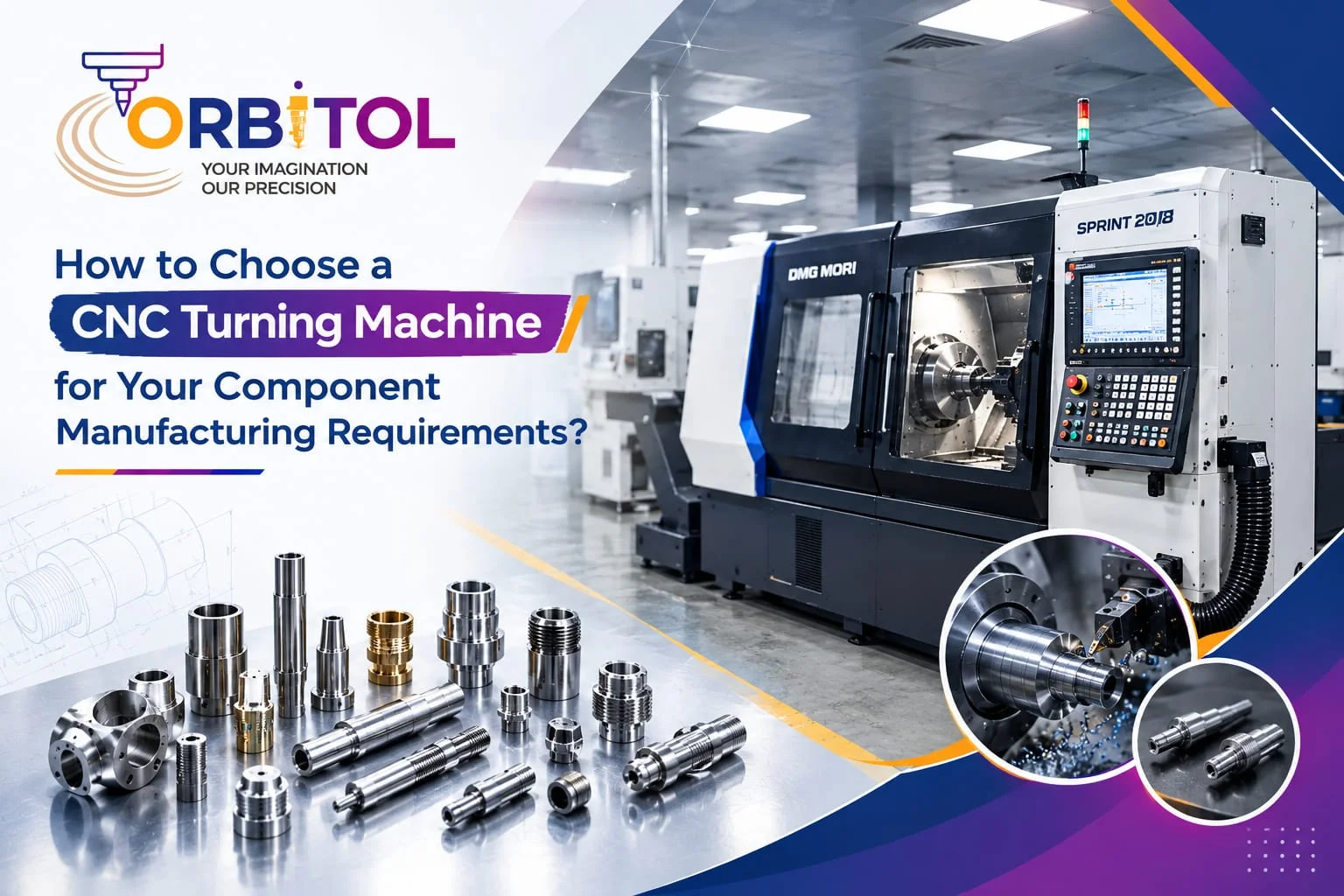
The DMG MORI SPRINT 20/8 is a horizontal production turning machine designed for machining small and complex component. It combines main and counter spindles with multiple tool stations and coordinated CNC movements to support. Different turning and machining operations.
In this case, the machine is capable of handling bars of the maximum diameter of 20 mm. With the main spindle providing up to 10,000 rpm and the torque of up to 14 Nm.
Main Spindle and Counter Spindle
Swiss-type machining is to hold and turn the work piece. Which create a rotational motion necessary for the procedure, allowing machining operations to be followed as needed.
The counter spindle can receive the work piece after the initial machining operations, allowing suitable secondary features to be completed. Without a separate manual transfer. The maximum speed of the machine is 10,000 rpm. Whereas the torque is 4.8 Nm and the power is 1.5 kW. This setup is beneficial in the case of automotive parts. That require machining from both ends. The part is transferred to the counter spindle post-machining for further operations. Such as turning, drilling or finishing, based on the configuration of the machine.
Tooling and Multi-Axis Operations
The DMG MORI SPRINT 20/8 provides 25 tool stations, including eight driven tool stations as standard. Its configuration includes six linear axes and up to two C-axes. With two CNC control channels and the ability to operate up to three tools simultaneously.
Driven tools allow suitable milling, drilling and other operations to be performed in addition to conventional turning. This is important for the automotive industry as some parts need to be manufactured. With cross-holes, flat surfaces or other features that cannot be achieved with turning. Various companies that produce small parts benefit from the power of the spindle setups that reduce the amount of handling.
4. Achieving High Precision Machining for Small Components
High Precision Machining involves controlling component dimensions, geometric relationships and surface characteristics. Within the limits specified by the engineering drawing. In automotive manufacturing, even minor variations can affect assembly fit, alignment and functional performance.
Swiss machining makes it happen with the help of good support for the components. Synchronized motions, and efficient machining strategies. Nevertheless. The accuracy of the whole process is dependent on the whole manufacturing cycle.
Components Support and Cutting Stability
For slender components, components deflection is an important consideration. A guide bushing supports the bar close to the cutting area in a traditional. Swiss-type configuration, helping reduce the unsupported length during machining.
The guide bushing, tool position and cutting parameters must be selected according to the material and component geometry. Excessive cutting forces or unsuitable tool conditions. Can still introduce vibration, surface defects and dimensional variation.
A stable setup helps maintain the relationship between turned diameters. Shoulders and other machined features.
Tool Selection and Surface Finish
Tool geometry, cutting-edge condition and material compatibility influence surface finish and dimensional stability. Automotive components may be manufactured from alloy steels, stainless steels and other engineering materials. Each requiring suitable cutting conditions.
Roughing operations remove excess material. While finishing operations establish the final dimensions and surface characteristics. Tool wear must be monitored because changes in the cutting edge can affect diameters, surface finish and production consistency.
Inspection and Process Consistency
Dimensional inspection verifies that finished components meet their engineering requirements. Depending on the component, inspection may include diameter, length, concentricity, surface finish and positional measurements.
For Precision Automotive Components, a documented inspection approach. Helps support repeatable production and reliable quality control.
5. Key Factors Affecting Quality in Sliding Head Machining
The quality of Sliding Head Machining depends on machine configuration. Work piece material, tooling, programming and process control. Each factor should be considered during production planning to maintain stable machining conditions.
Material Quality
The material must meet the engineering specification and be suitable for the intended machining process. Variations in bar diameter, straightness or material properties. Can affect feeding, component support and machining stability.
CNC Programming and Machine Setup
The machining program defines the cutting sequence, tool movements, spindle operations and component transfer between spindles. Incorrect offsets, tool positions or program settings can lead to dimensional errors or tool interference. Before production, the machining sequence should be checked against the component drawing and machine configuration. Simulation and verification procedures. Where available, can help identify potential programming or collision issues.
For a Sliding Head CNC Machine, proper coordination. Between the bar feed, guide bushing, tool positions and spindle operations is especially important when machining slender components.
Tool Wear, Coolant and Maintenance
Tool wear can progressively affect cut force, surface quality and geometric parameters of machined components. Regular checks and timely tool replacement can ensure stable cutting operations.
Choosing an appropriate coolant and delivering it in an appropriate manner is essential for machining of work pieces involving different materials. Efficient chip removal prevents chip accumulation and ensures the proper condition of the work piece surface. Regular maintenance of all machine parts such as spindle and tool connections needs to be carried out in order to ensure. That the machine operates without a hitch.
6. Swiss-Type Machining Capabilities at Orbitol Intelligence
Orbitol Intelligence provides precision machining and tool room-related services for industrial manufacturing requirements. Its capabilities include Swiss-type machining, CNC and VMC machining. Mould and die manufacturing and precision component production.
The DMG MORI SPRINT 20/8 supports Orbitol machining applications. For suitable small components requiring controlled turning operations and multi-feature machining. The appropriate machine configuration and machining process are selected according to the component drawing. Material and manufacturing requirements.
Precision Automotive Components and Industrial Parts
Automotive manufacturing requires components. With consistent dimensions, suitable surface finishes and reliable assembly characteristics. Orbitol Intelligence focuses on machining processes that address. These requirements through appropriate tooling, programming and production planning. Swiss-Type Machining is particularly relevant for small, slender components. That benefit from close work piece support and repeatable turning operations. Depending on the component design and machine configuration, operations may include turning, drilling, threading, grooving and selected driven-tool applications.
The machining process is evaluated according to specified tolerances and inspection criteria. This helps ensure that the selected manufacturing method is aligned with the actual component requirements.
Supporting Manufacturing Requirements
In addition to Swiss-type machining, Orbitol Intelligence. Offers related machining and tool room capabilities for different industrial applications. The selection of a suitable process depends on component geometry, material, production quantity and the operations required.
For customers seeking Precision Automotive Components, a clear engineering drawing and defined quality requirements. Help establish the appropriate machining approach.
Through its Swiss-type and other precision machining capabilities. Orbitol Intelligence supports industrial manufacturing requirements. Where dimensional consistency, controlled production and component quality are important.
7. Conclusion
Swiss-Type Machining is an important manufacturing process for small automotive components. That require controlled turning, accurate dimensions and consistent surface quality. Its close component support and coordinated machining operations make it suitable for slender components and parts. With multiple turned features. The DMG MORI SPRINT 20/8 combines main and counter spindles, driven tooling and multi-axis CNC movements to support complex production turning applications. With the optional Swiss type, it can also be configured. For suitable short and long turning requirements, depending on the component and machine setup.
At Orbitol Intelligence, Swiss-type machining forms part. Of a broader range of precision manufacturing and tool room capabilities. By matching machining processes to engineering drawings and production requirements. Orbitol Intelligence supports the manufacture of small automotive and industrial components. Where accuracy, consistency and dependable quality matter.