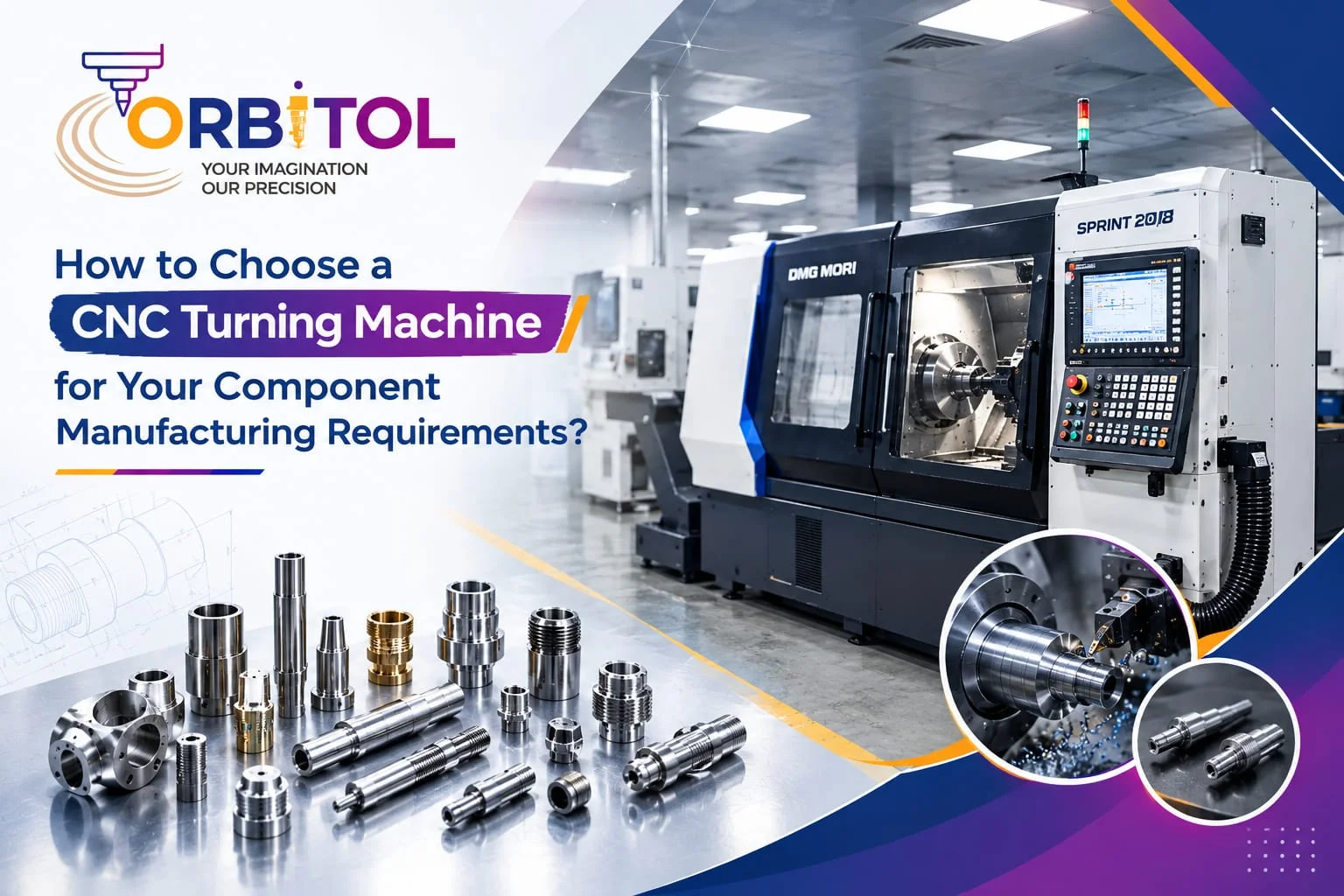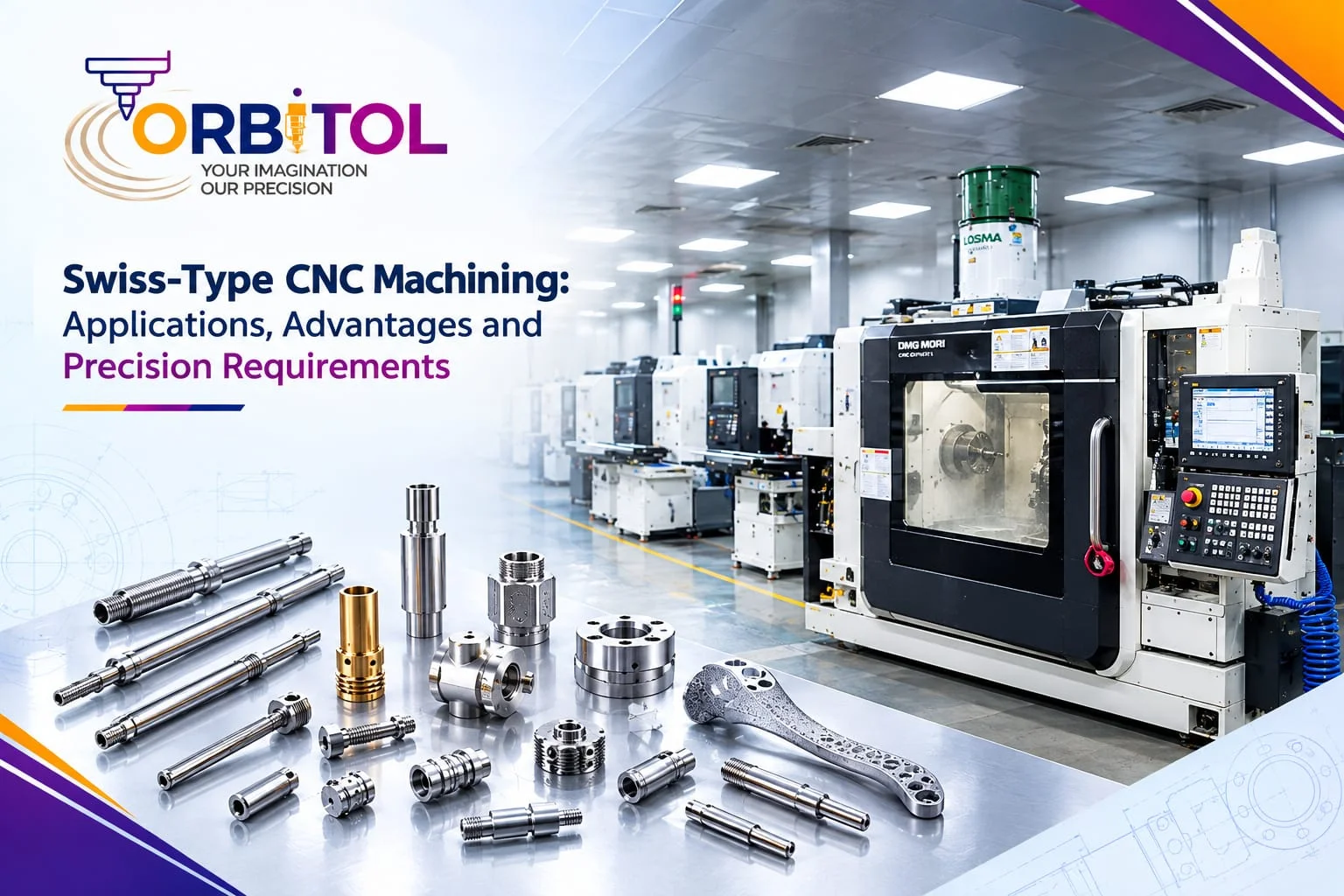
Choosing the right CNC Turning Machine isn’t a decision you want to make in a hurry. If you’ve been in manufacturing for a while, you already know why. Every component you produce comes with its own quirks different dimensions, different material behavior, different tolerances and a machine. That’s perfect for one job can fall flat on another. That’s the whole reason price tags and headline speed specs shouldn’t be the first thing you look at.
What a good CNC turning setup actually gives you is dimensional accuracy you can count on, surface finishes. That don’t need rework, shorter cycle times, and costs. That stay predictable over the long run. Doesn’t matter if you’re cutting small automotive parts, industrial shafts, hydraulic fittings, or precision metal components the machine has to fit the job, not the other way around.
At Orbitol Intelligence, we’ve found that precision machining really comes down to paying close attention to component design. The machining process itself, and what quality actually demands. Walking through the factors below should help you land on a CNC Turning Machine. That fits both where your production is now and where you want it to go.
Table of Contents
- Understanding CNC Turning and Its Role in Component Manufacturing
- Key Factors to Consider When Choosing a CNC Turning Machine
- Selecting the Right Machine for Component Size, Material and Accuracy
- CNC Turning Applications Across Different Industries
- Improving Productivity and Quality with the Right Machine
- How Orbitol Intelligence Supports Precision Component Manufacturing
- Conclusion
1. Understanding CNC Turning and Its Role in Component Manufacturing
CNC turning, at its core, is pretty straightforward the work piece spins. While a cutting tool removes material until it reaches the shape and size you need. What makes it different from old-school manual turning is the computer numerical control system running. The show it follows programmed instructions, so movements and cutting parameters stay consistent instead of drifting with operator fatigue.
You’ll typically find a CNC Turning Machine handling cylindrical, round, and symmetrical parts. Depending on how the machine’s tooled up, it can face, straight-turn, taper, groove, thread, and bore all the operations. That get you accurate diameters, controlled lengths, and the finish your drawing calls for.
The real payoff of CNC turning is consistency across a batch. Once you’ve dialed in the program and process parameters, that same geometry shows up part after part assuming, of course, the machine’s in good shape, tooling hasn’t worn out, and material stays within spec. For manufacturers dealing with tighter designs, Precision CNC Turning makes it possible to hold dimensions. That would be nearly impossible to repeat by hand, whether you’re running one job or a thousand.
Unlike conventional turning, you’re not standing there manually moving tools through every cut. Operators manage the programmed cycles, keep an eye on production, and step in when something needs adjusting. Which frees up attention for actual process control instead of repetitive motion.
However, this is not something that is accomplished automatically. If the machine has the title of CNC machine attached to its name. The quality which is achieved is dependent on the machine involved, the cutting tools used. How well the operator can hold the work piece, and how there is correct and proper following of the configurations.
2. Key Factors to Consider When Choosing a CNC Turning Machine
Before selecting the type of machine it is important to understand. What is done, where it is made, and how to get it done. Several points should be borne in mind while making that decision.
Machine Configuration and Turning Capacity
First thing to sort out is configuration. CNC turning machines come in a few flavors horizontal turning centers, vertical turning machines, and Swiss-type sliding head machines. And each one is built for a different kind of job.
Horizontal centers are your go-to for shafts, pins, bushings, and general cylindrical parts. Vertical machines tend to suit larger or heavier components better. Swiss-type machine tools have been designed specifically to produce small, thin, complex parts. With a high degree of precision control during the cutting process.
Beyond just picking a configuration, look closely at maximum turning diameter, turning length, spindle capacity, and how many tool positions you’ve got available. These numbers tell you whether the machine can actually handle your part range not just today’s parts. But where your production might head next.
Spindle Speed, Power and Torque
The performance of the spindle determines the efficiency of the operation performed and the quality of surface finish obtained. Generally, smaller parts require higher spindle speeds. While larger diameter pieces / harder materials require more torque but lower speed
A solid CNC Turning Machine gives you a workable balance of speed, power, and torque across the materials you actually run not just an impressive top speed on a spec sheet. Pay attention to the spindle’s full operating range, because that’s. Where the real-world performance lives.
Tooling and Machining Capabilities
Tooling flexibility matters more than people give it credit for. A machine with enough tool stations and live tooling. If your parts call for it can knock out milling, drilling, or other operations. Without ever moving the part to a second machine.
That cuts down on setups and keeps production flowing, especially for parts. With several features packed into one drawing. That said, live tooling isn’t something every shop needs it really comes down to what your components actually require.
Before you commit to a machine, walk through how many tools the job needs. What kind of cuts you’re making, and whether the tooling system on offer actually supports all of it.
Automation and Control System
The control system shapes how you program, run, and manage the machine day to day. Think about software compatibility, how familiar your operators already are with a given control, and how well it’ll slot into your existing production setup. Bar feeders, automatic loaders, part catchers all worth considering if you’re running repetitive batches. How much automation actually makes sense depends on your batch sizes, labor availability. What you’re trying to hit in terms of output.
At the end of the day, a smart machine choice balances real capability against real cost. Not paying extra for features that’ll sit unused on the shop floor.
3. Selecting the Right Machine for Component Size, Material and Accuracy
Component size, material, and accuracy requirements. Should really be driving your final decision, since all three directly affect cutting stability, tooling choices, and how good your finished parts end up looking.
Component Size and Geometry
Dimensions tell you what kind of working capacity you actually need. Before settling on a model, check maximum diameter, overall length, bar capacity, and how much machining space you’ve got to work with.
Long, slender parts often need extra support to keep deflection under control while cutting. Complex profiles, tight grooves, or closely packed features might call for specialized tooling or a machine that can reach those areas without a fight.
For small precision work, a Small CNC Turning Center or a Swiss-type sliding head machine might be exactly what you need think pins, miniature shafts, connectors, that kind of thing. Larger shafts and heavier industrial parts usually call for a conventional turning center with enough chuck capacity and spindle power to back it up. Going back to the actual component drawings before buying saves you from ending up with a machine that’s either too small or way more than the job requires.
Material Compatibility and Cutting Requirements
The material you’re cutting shapes speed, tool wear, heat buildup, and overall machining stability. Aluminum, mild steel, stainless steel, brass, alloy steels they all behave differently under the tool.
Aluminum generally lets you run fast and easy. Stainless steel is a different story you need to watch cutting temperature, tool geometry, and feed rates a lot more closely. Harder alloys push machine rigidity, spindle performance, and tooling choices even further.
Don’t pick a machine based on the one material you happen to be running this month think about everything you’re likely to process. Coolant delivery, chip evacuation, tool compatibility, and work holding all factor into whether a machine can genuinely handle your full material mix.
Accuracy, Tolerances and Surface Finish
Nail down your accuracy needs before you sign off on a purchase. Some parts have plenty of tolerance to work with; others need tightly controlled diameters, concentricity, roundness, and finish.
Precision CNC Turning Services depend on more than machine specs alone thermal stability, spindle accuracy, tooling quality, work piece support, and how you inspect the finished part all play a role. A machine’s advertised positioning accuracy on paper doesn’t guarantee every part coming off it will actually meet spec.
Go through the component drawing, flag the critical dimensions and geometric tolerances, and compare that against what the machine can realistically deliver. For anything demanding, first-piece inspection and in-process checks aren’t optional extras they’re what catches drift before it ruins an entire batch.
4. CNC Turning Applications Across Different Industries
CNC turning shows up almost everywhere because so many mechanical systems depend on accurately made round parts. What changes from industry to industry is the machine configuration, the machining sequence, and how tight the quality checks need to be.
Automotive Component Manufacturing
The automotive industry relies upon the use of CNC turned products that guarantee accuracy and repeatability in the manufacturing processes. Shafts, bushings, pins, spacers, connectors, engine and transmission components turning shows up in all of it.
Automotive manufacturers care a lot about holding consistency across long production runs while still meeting drawing specs, and CNC turning’s programmed cycles make that realistic. Machine choice here comes down to part size, material, quantity, and how many operations each part needs.
Aerospace and Industrial Machinery
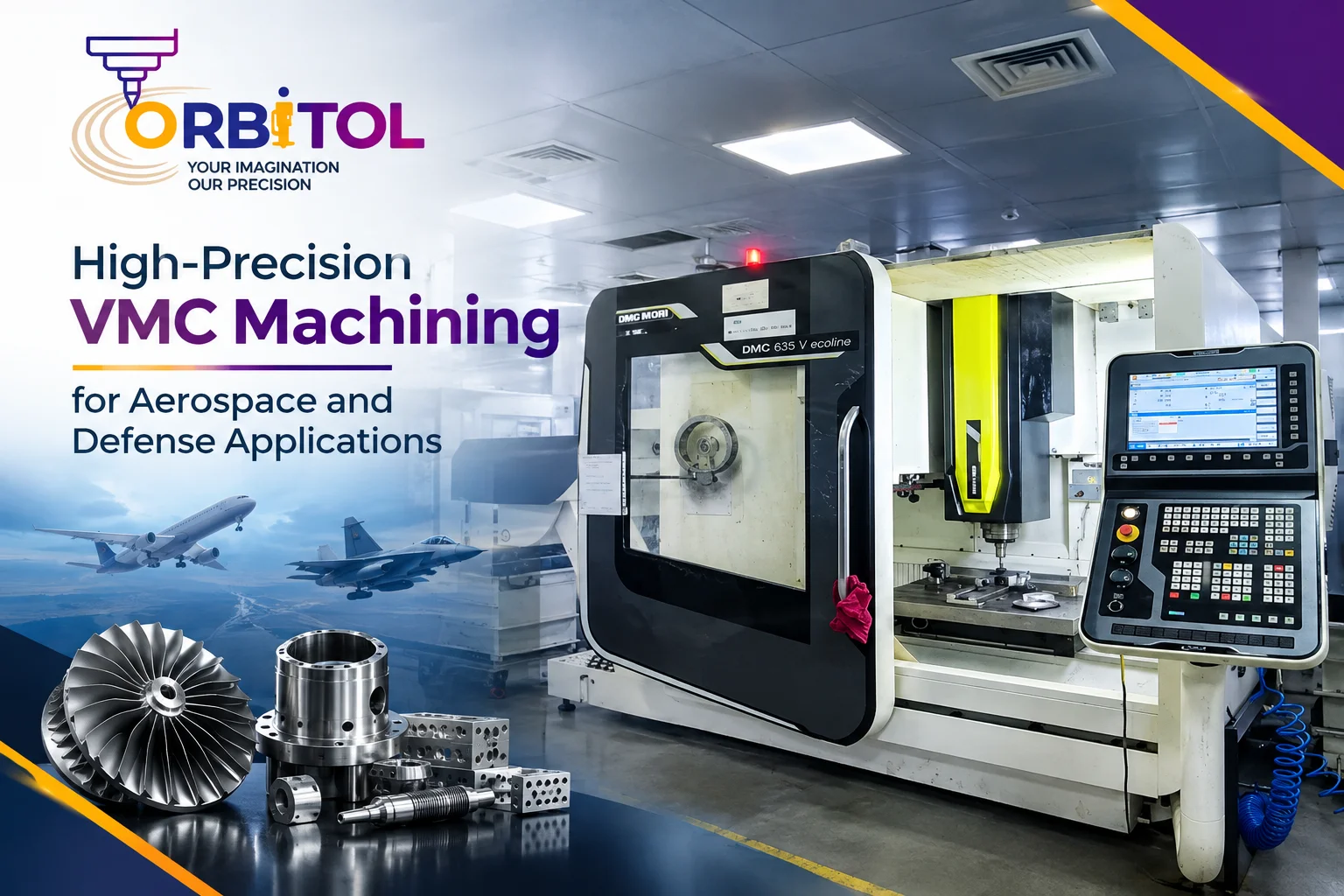
The aerospace industry and other sectors utilizing machinery that brings forth complex shapes, stringent requirements for the materials, as well as tolerances that do not leave much margin of error employ precision-turned parts.
Here, machine rigidity, the right tooling, thorough inspection, and material-specific cutting parameters really matter. The whole process gets planned around the drawing and whatever quality standard applies. CNC turning also comes into play for replacement parts and precision interfaces used across industrial machinery.
Hydraulic, Medical and Engineering Components
Hydraulic systems need turned connectors, valve parts, sleeves, and fittings with accurate dimensions and clean surface finishes sealing surfaces and threaded features especially can’t be sloppy.
Medical equipment and other specialized engineering work often calls for small precision parts machined from stainless steel or aluminum, handled with extra care and inspected thoroughly. In every case, the right CNC turning setup comes down to the specific design, material, and production requirements in front of you.
5. Improving Productivity and Quality with the Right Machine
Selecting the right equipment is simply the first step in the process. After that, maintaining high levels of productivity and quality relies on establishing a proper operating procedure, continuous maintenance, and creating and following a production plan connected with the reality of the manufacturing process.
A good place to start is the effort of minimizing the number of setups that the equipment has to perform. For example, when the part must go through different operations, using a machine with enough tooling capability or live tooling would minimize the required handling and thus improve the productivity of the operation. That is very beneficial because few setups imply smaller chances of getting dimensional variations as a result of the repositioning of the part.
Correct parameters of machining play an equally important role in the operation. The proper speeds, feeds and depths of cut are needed in order to find the right balance between the cycle time, tool life and the quality of finish. If you push hard the equipment, you will wear the tool too soon and introduce vibrations; however, if you are too cautious, you will waste precious time.
Regular maintenance keeps the machine performing the way it’s supposed to. Spindle condition, lubrication, coolant quality, alignment, tool-holder condition all of it needs checking on schedule. Staying ahead of maintenance cuts down on surprise downtime and keeps machining consistent over time.
Quality checks shouldn’t wait until the final part rolls off the line. Catching tool wear, thermal drift, or process variation early while production’s still running saves you from finding out too late that a whole batch is off.
And don’t underestimate production planning itself. Batch sizes, changeover time, tooling availability, material supply, operator training a machine with impressive specs won’t deliver much if it doesn’t actually fit how your shop runs day to day. Get the machine selection and the process discipline working together, and that’s where real gains in consistency and cost control show up.
6. How Orbitol Intelligence Supports Precision Component Manufacturing
At Orbitol Intelligence, CNC and VMC machining, precision components, and tool room solutions are where our focus sits particularly for applications where component geometry and dimensional control really matter.
If you’re evaluating CNC turning or anything adjacent to it, the component drawing is really where you should start. Material, dimensions, tolerances, quantity, and finish requirements all shape the right machining approach from there.
Our work covers CNC and VMC machining capabilities alongside tool room and mould and die manufacturing services, supporting a wide range of industrial engineering needs. Swiss-type machining, in particular, comes up a lot for small, intricate components that need tightly controlled turning depending on the design, these machines support production across automotive and other precision engineering applications.
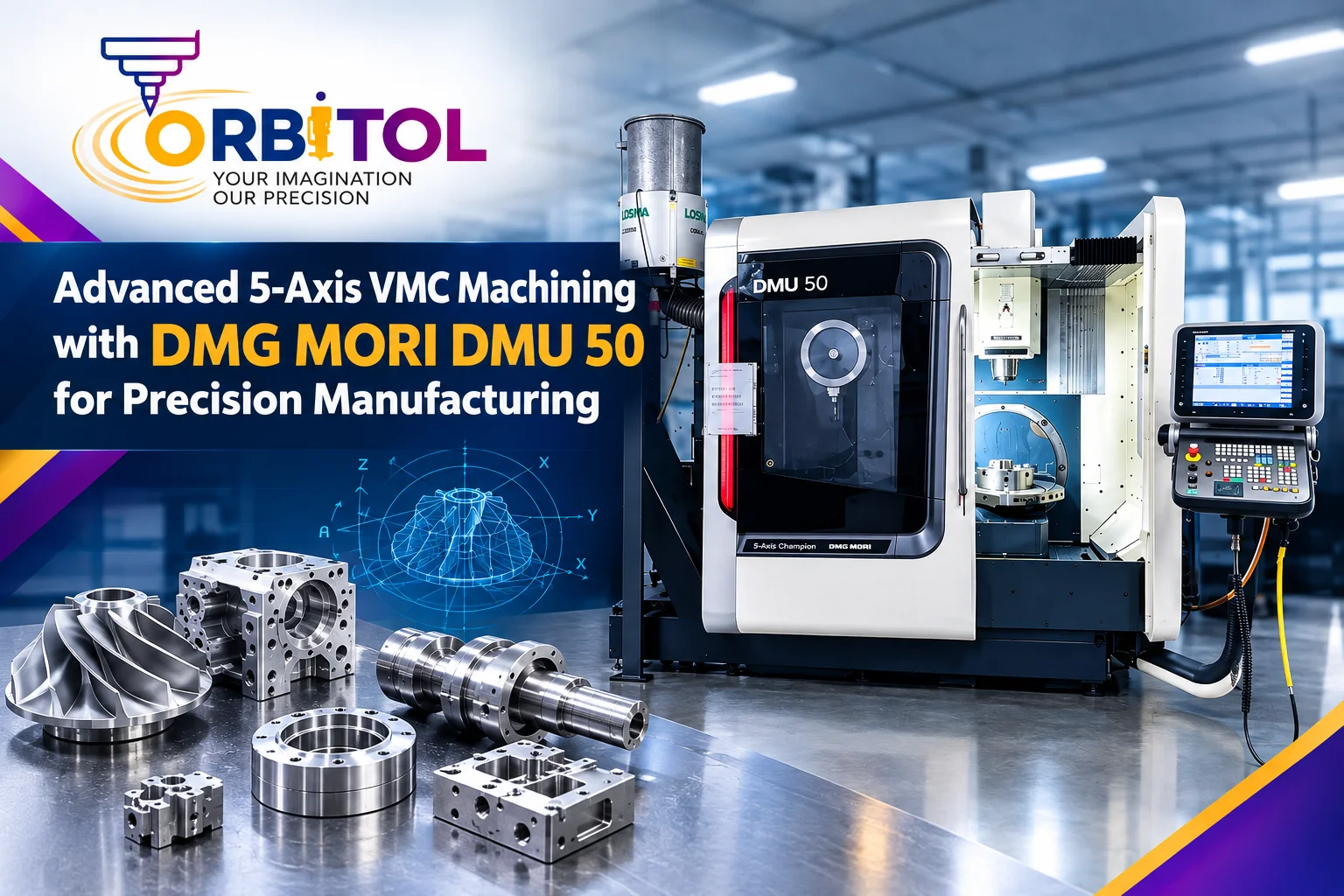
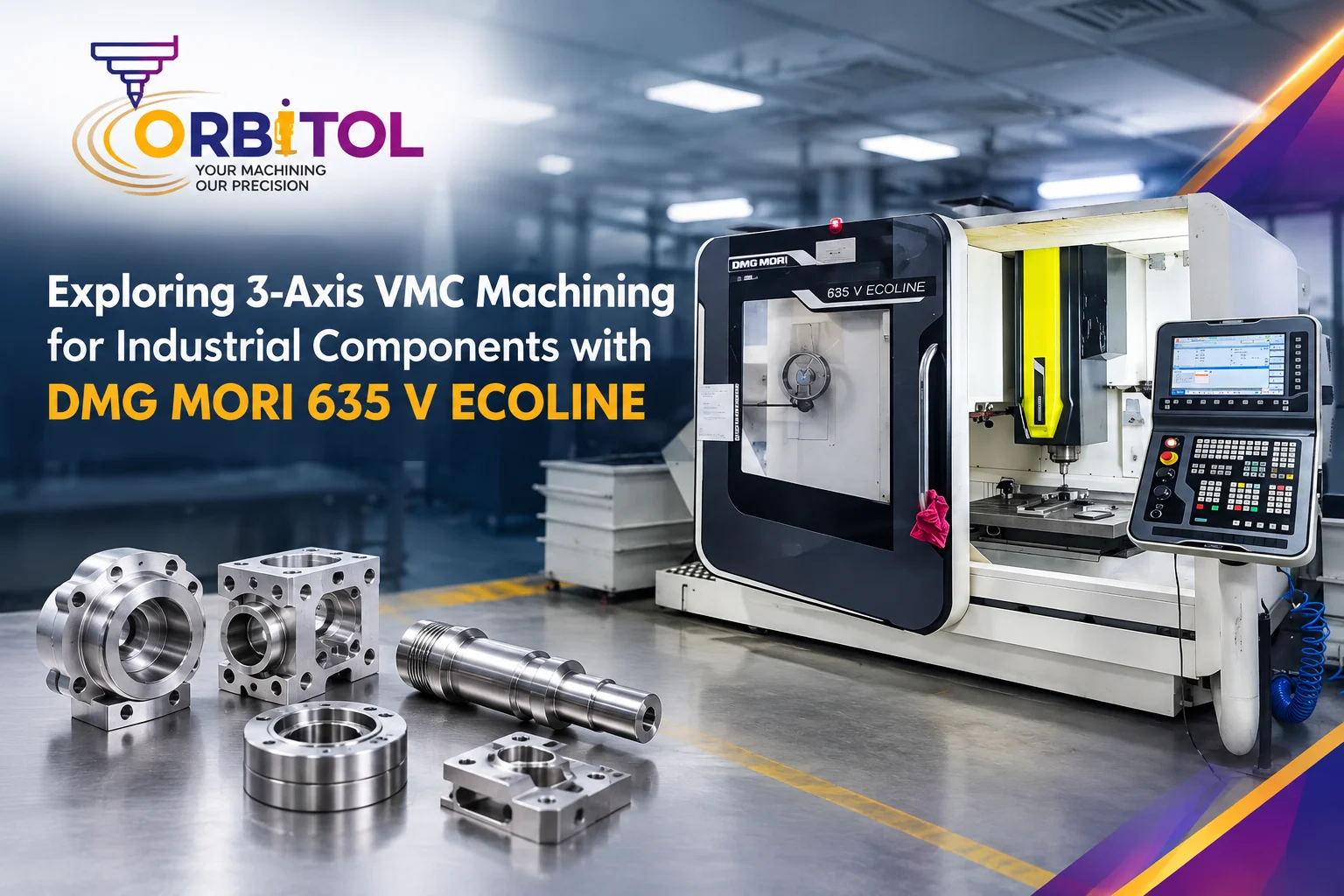
We also work with advanced equipment, including DMG MORI CNC and VMC machines, for jobs that demand accurate machining of genuinely complex parts. Which machine or process actually fits comes down to the specifics of what you’re building.
If you’re exploring CNC machining, Swiss-type machining, mould and die manufacturing, or precision component solutions, you can find more about what Orbitol Intelligence offers at orbitol.in.
7. Conclusion
The selection of a CNC Turning Machine becomes simplified when the manufacturing requirements are defined. Dimensions of the components, types of materials, tolerances, and production quantities are the options that must be defined before taking a decision.
In order to achieve this, a machine that is properly placed for components must be used, because this way it will reduce the number of additional setups and guarantee that the dimensions remain stable. Also, the importance of good tooling, scheduled maintenance, and audits should never be overlooked.
No matter whether it is required to manufacture automotive parts, hydraulic fittings, industrial shafts or small precision components, the key will always be the machine’s suitability to perform the operations needed.
Orbitol Intelligence focuses on CNC and VMC machining, precision parts, and tool room solutions, successfully solving a range of industrial manufacturing tasks. A thorough understanding of the component and its future application is the first step towards a well-developed machining process that gives consistent results.