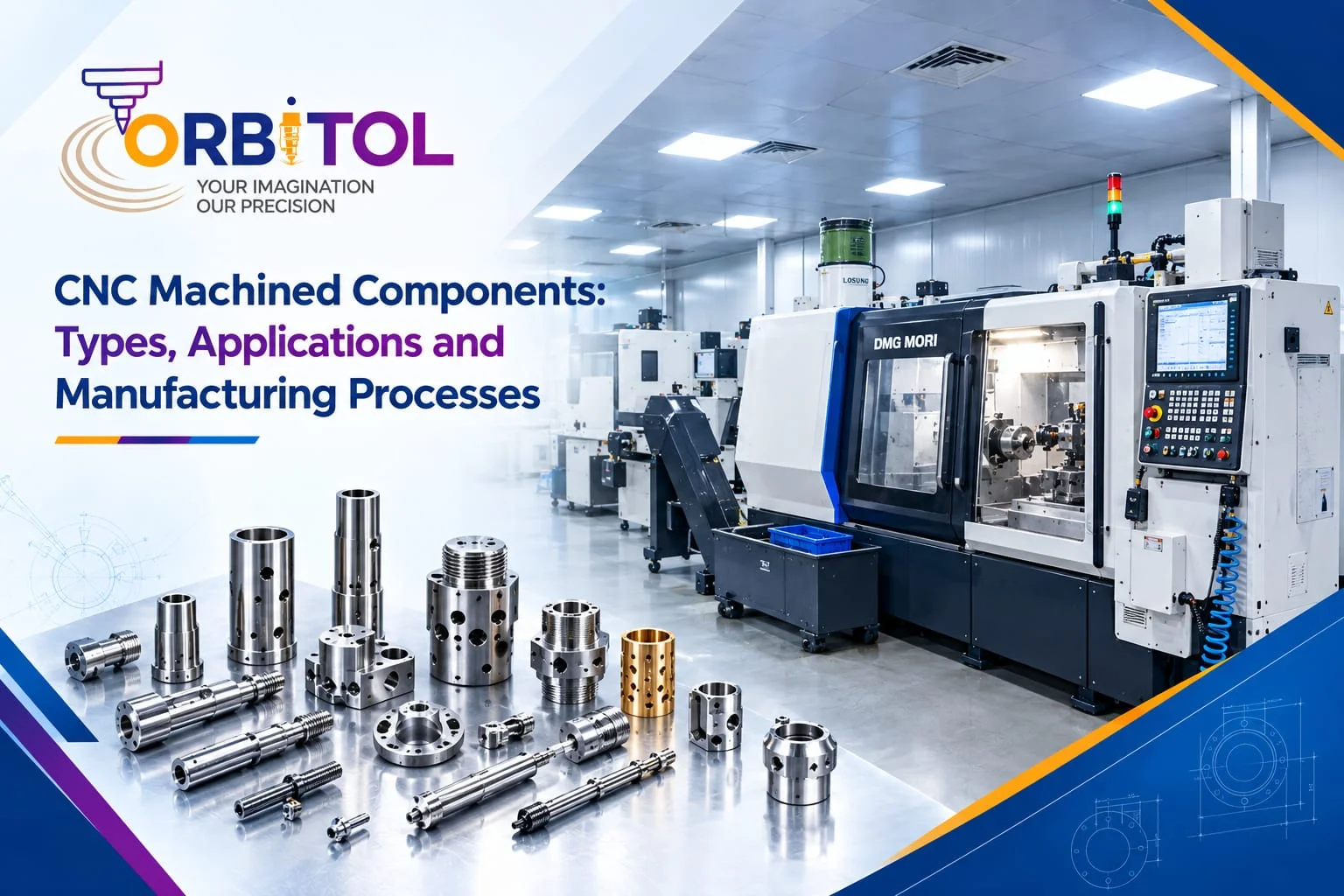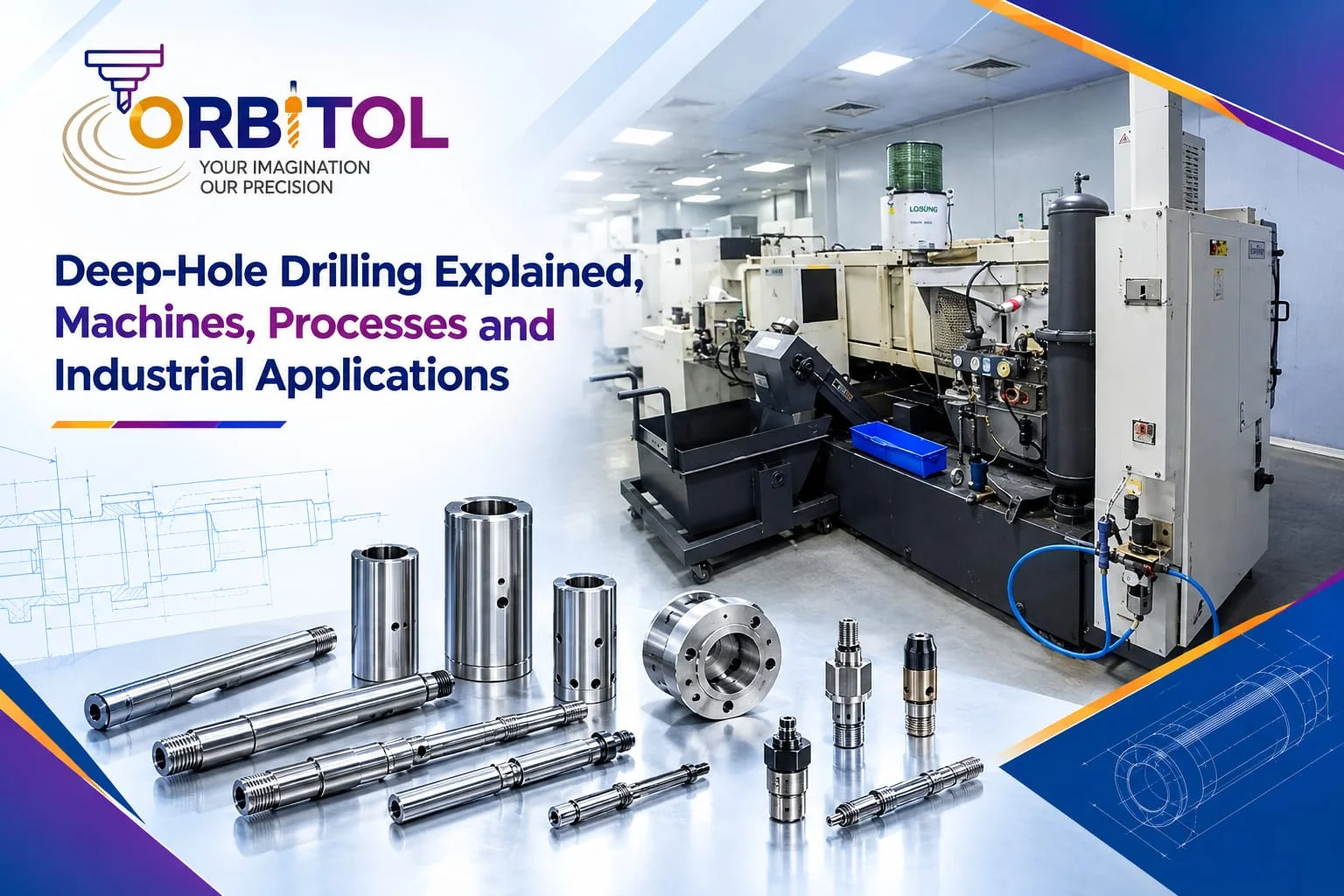
Precision CNC Machine is a technique where a pre-programmed computer controls the movement of the tooling for cutting a part and removing material from started material. Based on the configuration of the machine. It can carry out various processes including milling, turning, drilling, boring, threading and other machining activities. Thanks to the controlled nature of CNC technology, companies succeed in making identical parts with the elements of expected production process.
Table of Contents
- Understanding Precision CNC Machine and Its Importance
- How a Precision CNC Machine Produces Critical Components
- Types of Components Created Through Precision CNC Machine
- Industries That Depend on Precision Machined Components
- Choosing the Right Partner for Precision CNC Machine
1. Understanding Precision CNC Machine and Its Importance
Precision means much more than accurate appearance in the component manufacturing. It means achieving the required levels of dimensions tolerances, geometry and surfaces for each of the important features of a part. Even a slight deviation in a part may influence. How the part fits moves, and operates within an assembly. Which is why the adoption of CNC precision machining is so important to modern manufacturing today.
The demand for precision has increased across industries because modern components. Are often more compact complex and closely integrated with other parts. A shaft must fit correctly into its mating assembly. A mould component must maintain the required geometry. A connector may need accurately positioned features. A housing may require controlled dimensions. So that other components can be assembled without unnecessary adjustment. A good machine is a start, although true precision is obtained through the entire manufacturing process. Experienced manufacturers realize this difference and are focused on controlling each stage. Of production instead of relying solely on the specifications of a machine.
At Orbitol Intelligence, precision machining. Is viewed using this component oriented approach. The aim is to choose the right process and perform it in accordance. With the geometry, material, and specifications of the component.
2. How a Precision CNC Machine Produces Critical Components
Manufacturing of precision parts begins long before the tool comes in contact with materials. The engineering drawing or CAD model provides information. About dimensions, tolerances, material, holes, threads, profiles and other important characteristics. This information is used to make decisions on the way a part will be produced. Process planning is the first step of this process, during. Which the manufacturer determines all the operations. That should be used and the order they should be performed in. For example, the part can either be produced by turning and then milling. Or going straight to milling depending on its shape.
After the process is established, the necessary toolpaths are programmed. With the help of CAM software, it is possible to create the tool paths automatically based on the part design. The manufacturing process begins. With programming the machine. Next, the placement of the raw material is done and the cutting machines have been installed. With necessary adjustments. It is essential to match the setup of the machine and the performance capabilities of the product. As improper setup can cause problems later on.
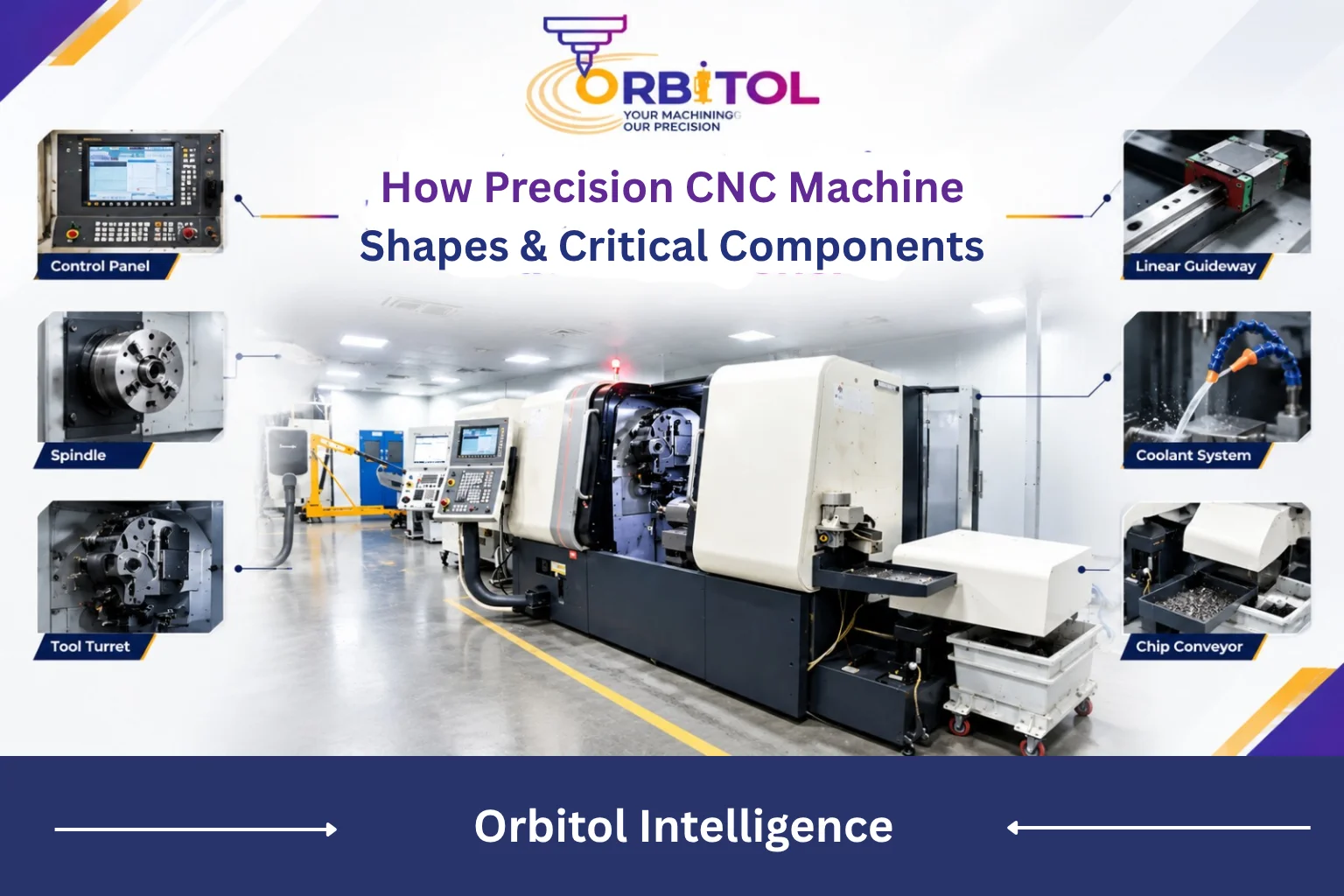
Precision CNC Machine Critical Components
The machining stage consists of roughing and finishing operations. While roughing involves getting rid of large amounts of material in an efficient manner. The finishing stage is all about achieving the desired size and surface of the product. The tool to be used and the cutting parameters have to correspond to the type of material and the type of operation.
For the successful completion of manufacturing, one should also consider the condition of tools and machining stability. Because of the process of operation, the tools wear out which, in turn, may result in certain difficulties during machining. Moreover, coolant and chips, along with the working condition of the machine, may also affect the quality of machining. The process is concluded with inspection. Important characteristics are examined through appropriate measuring instruments to ensure fulfillment of the requirements established for the end done part. The use of other inspections in an ongoing production leads to early detection of variations before it is too late to take action.
Such an approach is what makes CNC machines valuable on the market.
3. Types of Components Created Through Precision CNC Machine
One of the strengths of CNC machining is its flexibility. Different machine configurations and machining processes can be used to produce components with simple profiles as well as highly detailed geometries. CNC Machined Components incorporates brackets, housing plates, fixtures, mold components, machine parts, and various custom-engineered products. Milling is particularly good for components with pockets, slots, holes, contours, and multiple flat surfaces.
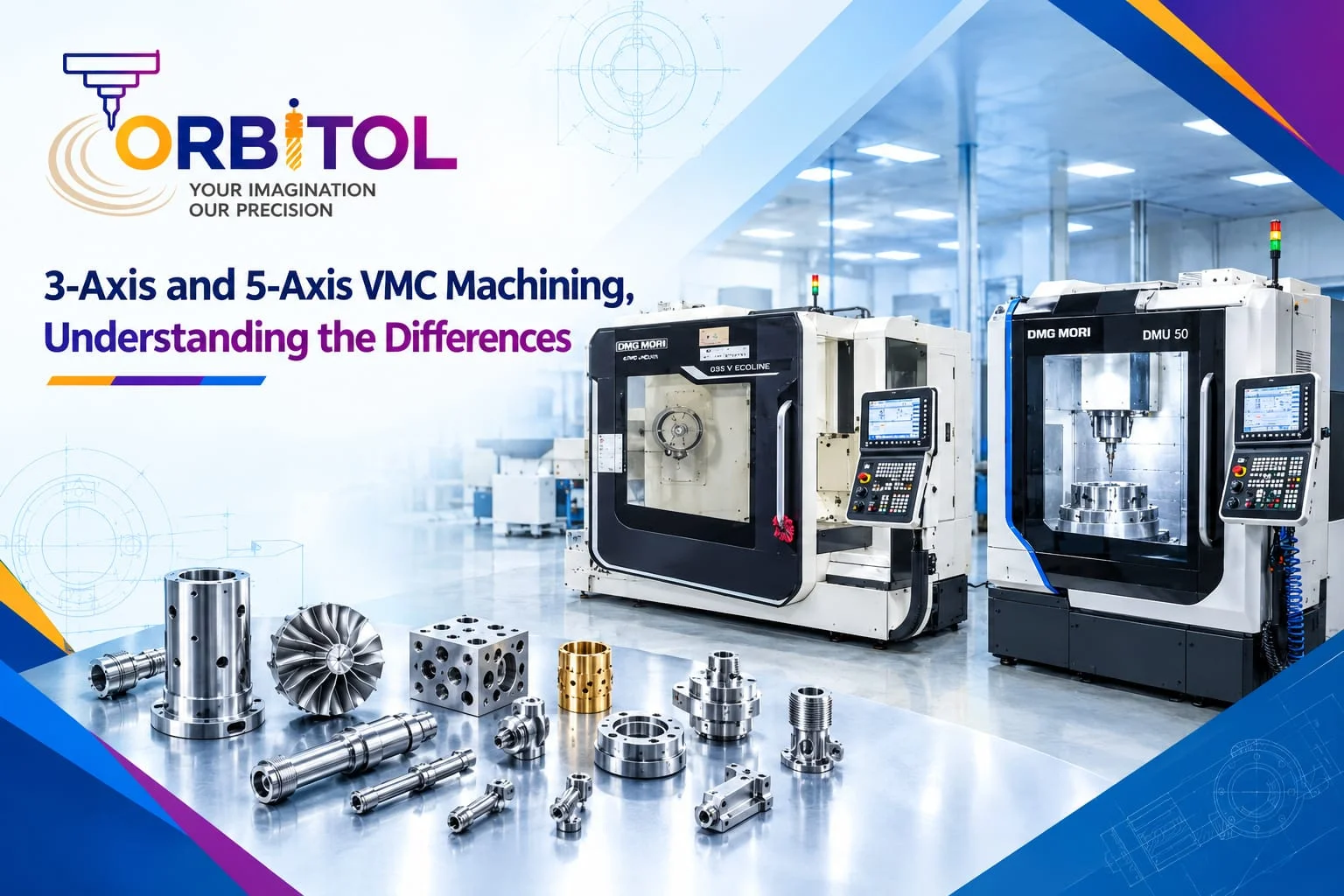
Multi-axis machining is useful when a component is located across multiple surfaces or requires particularly complex access to the tool. A suitable axis configuration can reduce unnecessary repositioning and help establish a more efficient machining strategy depending on the component design.
Turning is another major CNC machining process.
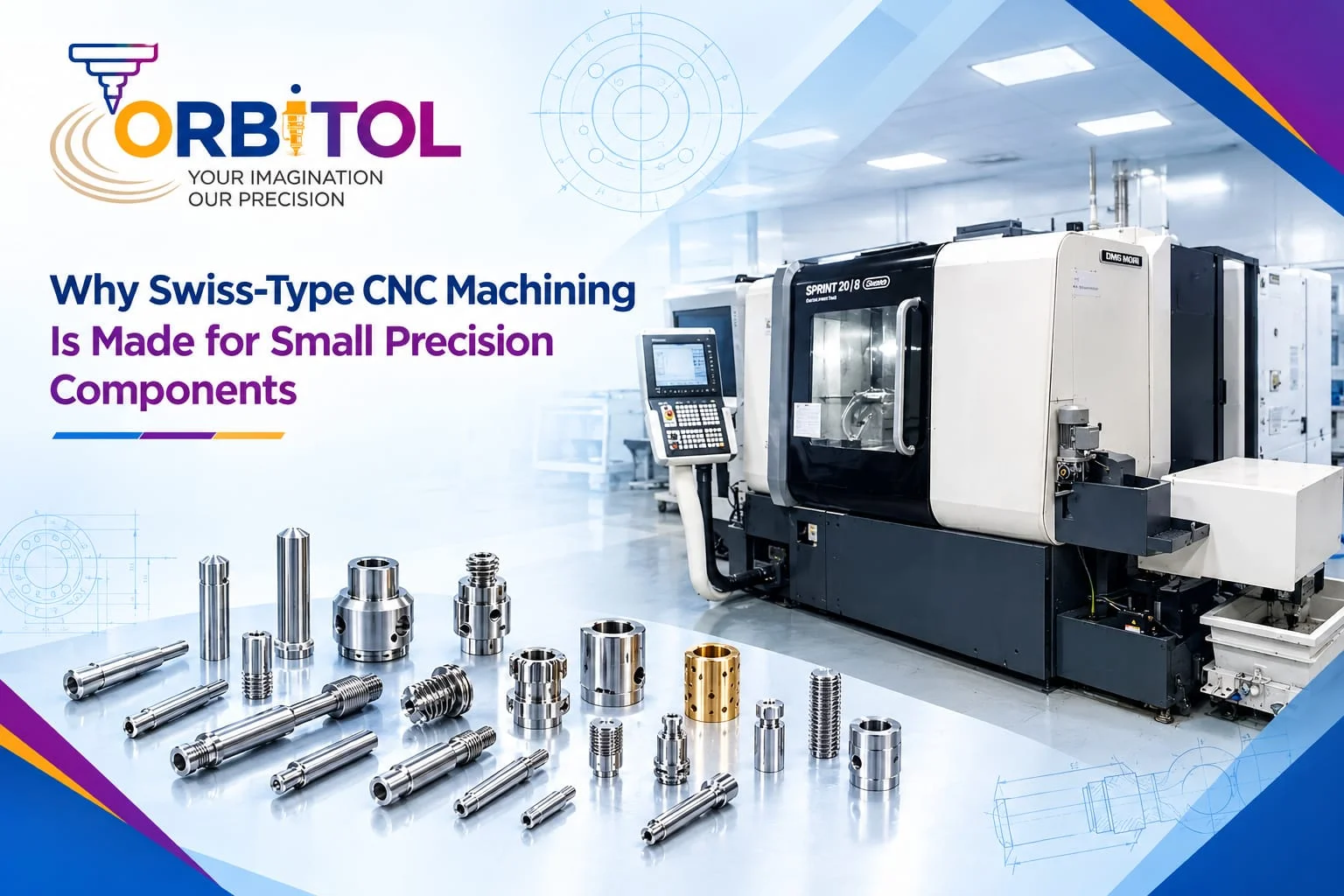
It is therefore suited only to rotational or cylindrical parts like shafts, pins, bushes, sleeves, spacers, and threaded parts, where a CNC Turning Machine removes materials from its surface while rotating the work piece. CNC Turned Components can be manufactured from different engineering materials depending on the application. The appropriate cutting tools and machining parameters are selected according to the material and required features.
Some components require both milling and turning. A part may have a cylindrical outer profile along with milled flats slots or holes. In such cases the manufacturing process needs to be planned around the complete geometry rather than treating each feature independently. Small and complex parts may require specialised machining strategies as well. Component size material tolerance and production quantity all influence the choice of equipment and tooling.
For manufacturers the important consideration is whether the selected process can consistently achieve the requirements shown on the component drawing. The best machining solution is therefore not always Curved outer geometry must be complemented with flat surfaces, slots, or holes The process must consider the entire geometry instead of these features individually.
It is not necessarily one advanced machine with respect to the specific feature of the component or what the requirement is in production.
4. Industries That Depend on Precision Machined Components
Precision machining has found its place in multiple sectors of the economy as considerable number of end products are based on components with precise dimensions and ability to be assembled successfully. Overall, precision machining has the same importance in different areas despite the fact that production requirements may vary in different sectors of the economy.
Automotive Manufacturing
Automotive spheres use a variety of machining in their production process from shafts and bushes to brackets and housing parts. The components are produced in bulk so they are expected to have identical dimensions. CNC machining is a good manufacturing solution for components in question. Through turning and milling it is possible to produce different types of rotating parts as well as different geometrical shapes and special features for mounting. Automotive industry gives the particular attention to the fact that car components must work together.
Aerospace Applications
Manufacturing in the aerospace industry deals with parts for which management of dimensions and usage of materials can be a complicated process. Computer numerically controlled (CNC) machining may be employed in the production of structural and mechanical parts such as housings and other components. Intricate geometrical shapes native to aerospace engineering can require advanced machining techniques such as simultaneous multi-axis machining that minimizes the repositioning of components. The process of machining should be determined according to the specifications described in the technical drawing as well as the specifications set for the part itself.
Medical Equipment
Medical and healthcare equipment can contain small and precisely manufactured components. Depending on the application these may include housings mechanical parts instruments and specialised components. The manufacturing process must consider material requirements dimensional accuracy surface condition and applicable quality procedures. A carefully controlled CNC process can provide repeatable manufacturing for suitable applications.
Industrial Machinery
Machined parts are crucial for use in industrial machines. Shafts, couplings, brackets, housings, fasteners, and many many more are the examples of such parts. For machinery manufacturers, it is useful to partner with specialists in Machining Parts Manufacturing if the client needs their products, so the production of parts may involve a certain type of material or machining process. A qualified manufacturer can look at the drawings of parts and suggest the best way of making them rather than applying the same techniques for all parts.
Mould, Die and Tooling Applications
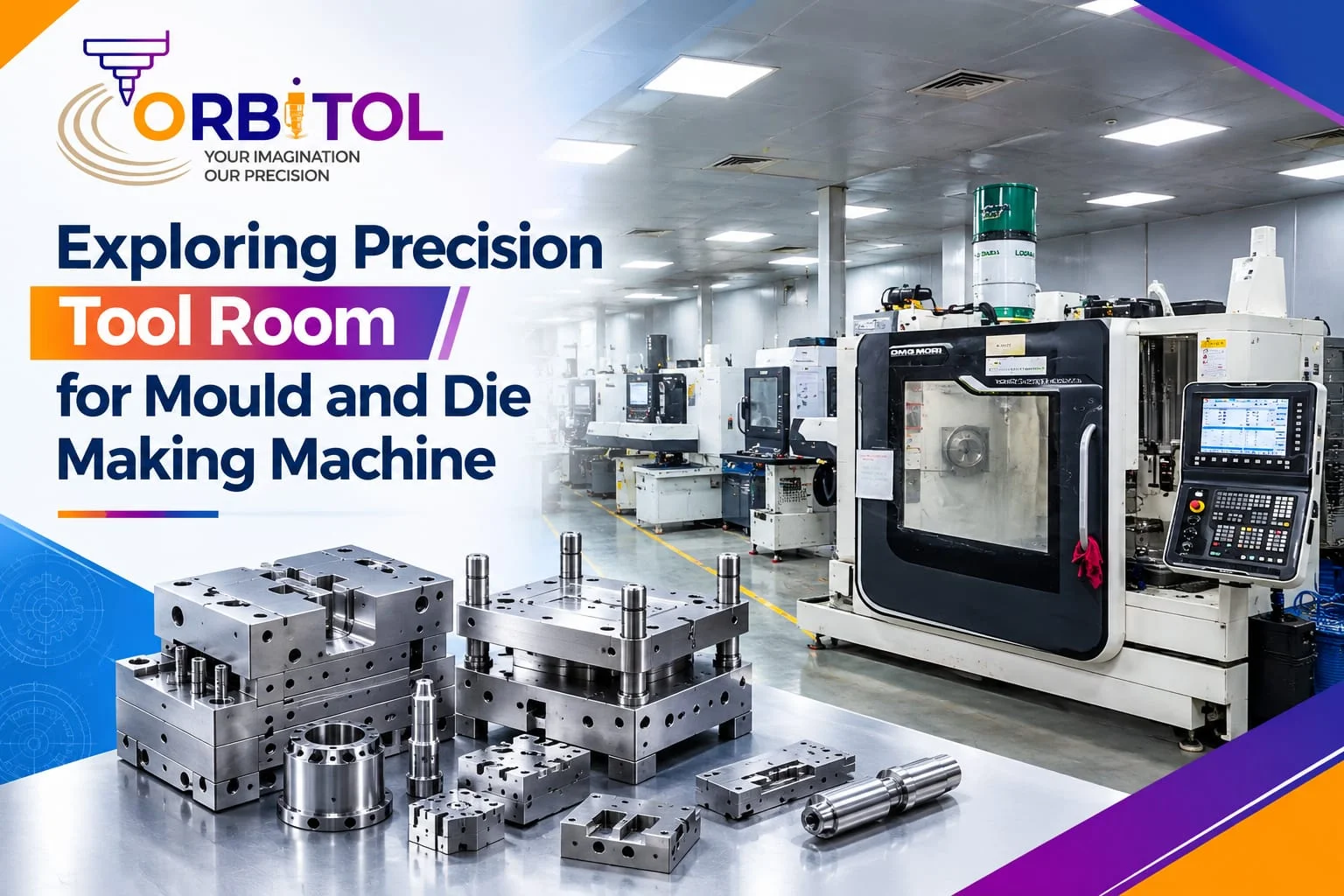
The manufacture of dies, molds, and specialist tooling often includes complicated surfaces and intricacy. Controlled machining processes such as CNC milling can be utilized for making cores, cavitation tools, components and other various implements. In this application, geometric precision is critical because it affects the final product being molded or formed.
5. Choosing the Right Partner for Precision CNC Machine
Choosing a supplier is an important consideration for the production of parts that require precise machining. Manufacturers should pay attention not only to the supplier’s availability for certain machining services but they should also examine the entire array of abilities that the vendor may offer. The main thing is the ability for machining. Abilities here mean that the supplier has become equipped properly depending on the characteristics of the part which is part of that equipment.
Technical comprehension is as imperative as checking things beforehand. It is essential that the producer is capable of understanding blueprints, identifying specific characteristics of the equipment, and laying out the necessary procedures for machining the task effectively. Proper process management will make great improvements in the quality of the equipment and productivity levels.
Tooling and inspection processes should also be taken into consideration. The ability of the business to choose right tools and confirm dimensions is one of the essential aspects of precision manufacturing.
At Orbitol Intelligence machining capabilities cover CNC and VMC machining, Swiss type machining, mould and die manufacturing tool room requirements and precision component manufacturing. This range allows the machining approach to be considered according to the actual requirements of the component. Orbitol Intelligence focuses on producing components where controlled dimensions repeatability and machining quality are important. Depending on the component, the manufacture process may include CNC turning, milling, Swiss turning, or a combination of these processes.
In case the companies are looking for dependable CNC Machining Parts as well as precision manufacturing services, it is extremely important to convey all technical details. Drawings, description of materials, tolerances, quantities, and important characteristics will allow manufacturers to organize the process in the right way.
Conclusion
What makes CNC machining special is its capability to change engineering designs into actual components made using highly controlled and repeatable processes. The Precision CNC Machine has the technology base for the process, but the results that one can depend on come from more than simple computer control of the movement.
The Precision Machined Components are essential for the creation of various products from the automotive and aerospace industries to industrial machines and other products that are widely used. It is often the case that the effectiveness of these components lies in the details that are invisible after the assembly phase but are vital for the product’s operation. Thus, ensuring that all the machining processes as well as machines and tools are selected correctly is a vital part of the manufacturing process of components. When these elements work together CNC machining can provide the consistency and flexibility required for demanding industrial applications.
Orbitol Intelligence provides customers with the required precision machining services by using its capabilities in CNC, VMC, Swiss type, tool room, and die and mould manufacturing technologies. For those companies interested in the production of components with specific quality requirements, choosing the correct approach for manufacturing is the first step towards achieving results one can rely upon.