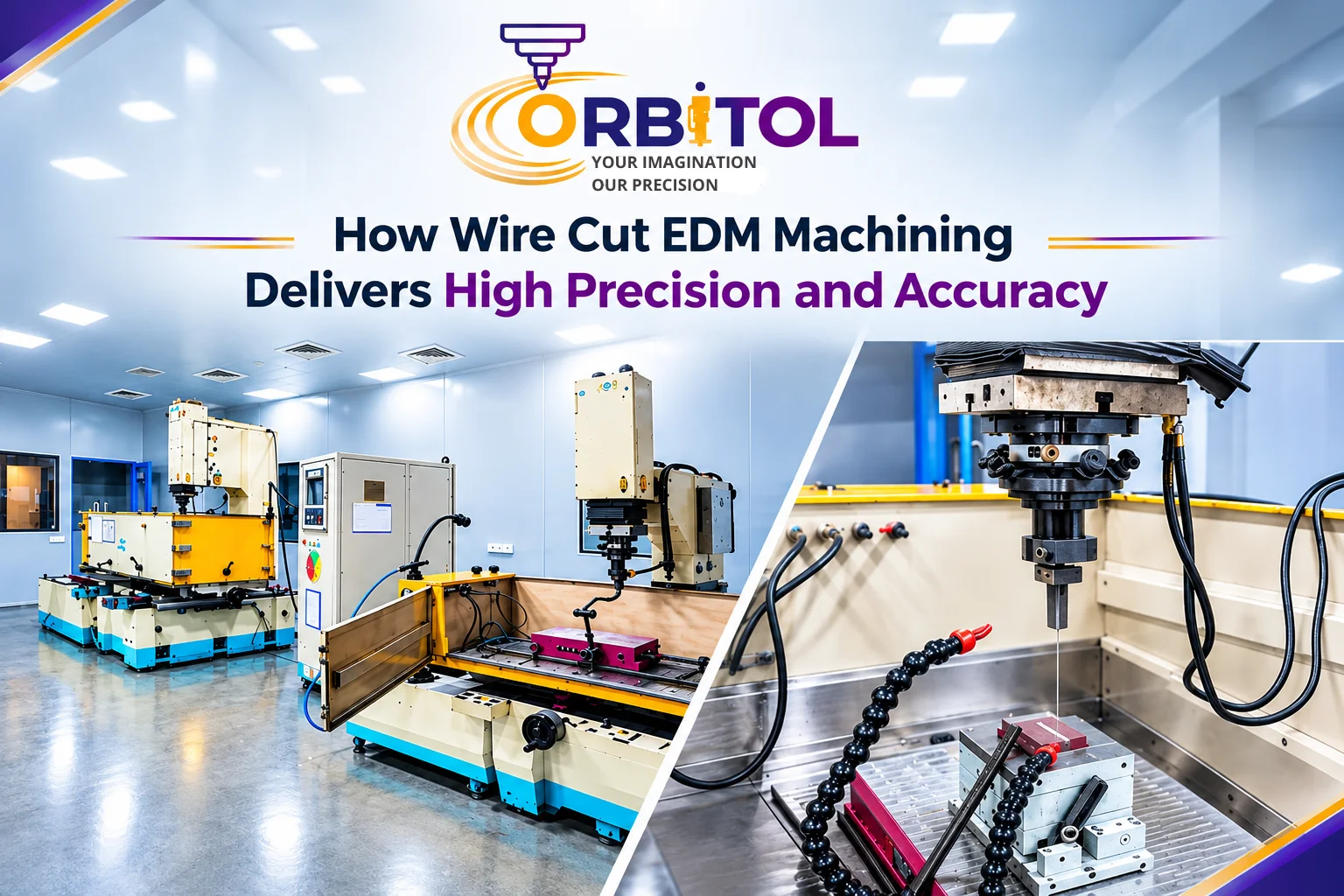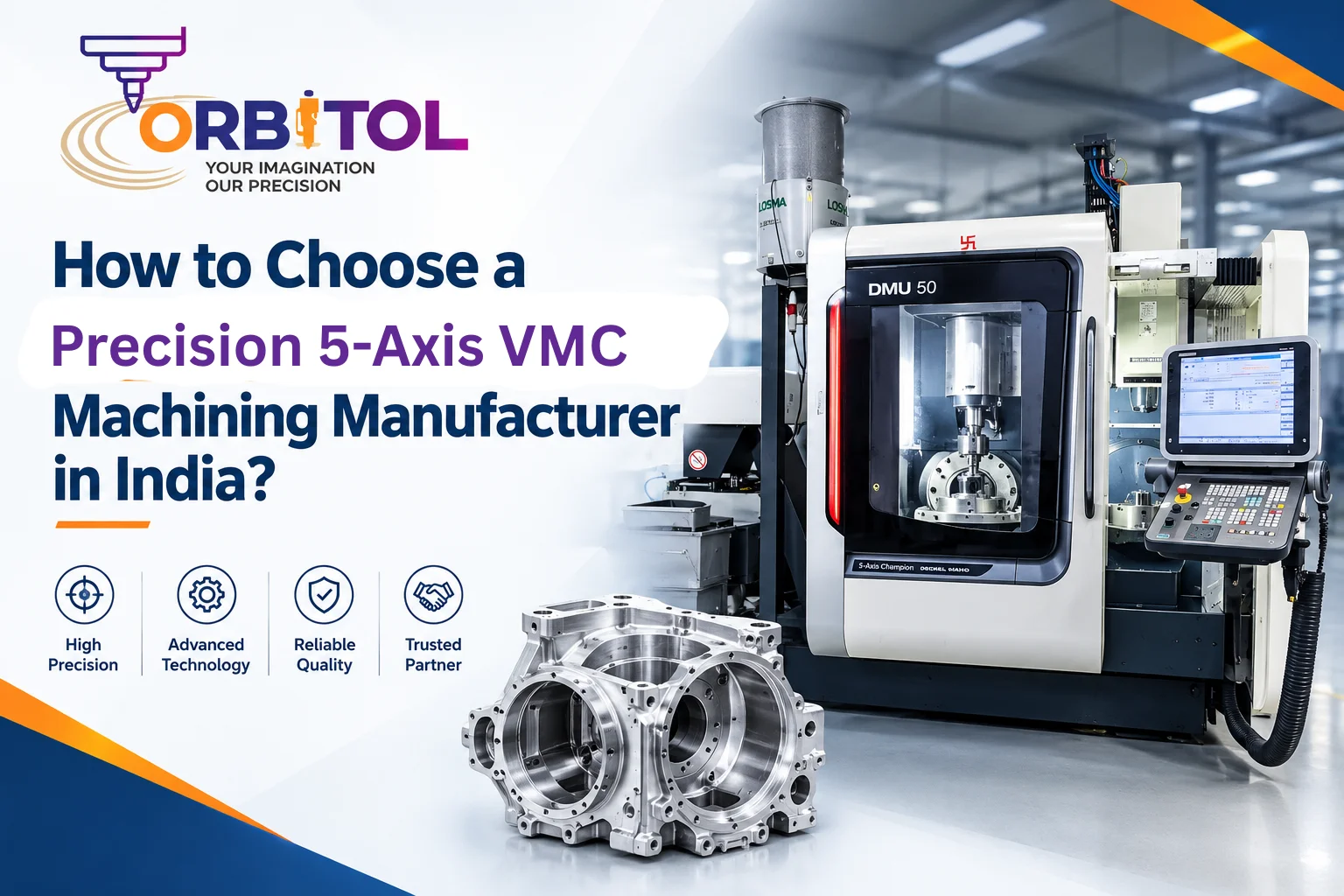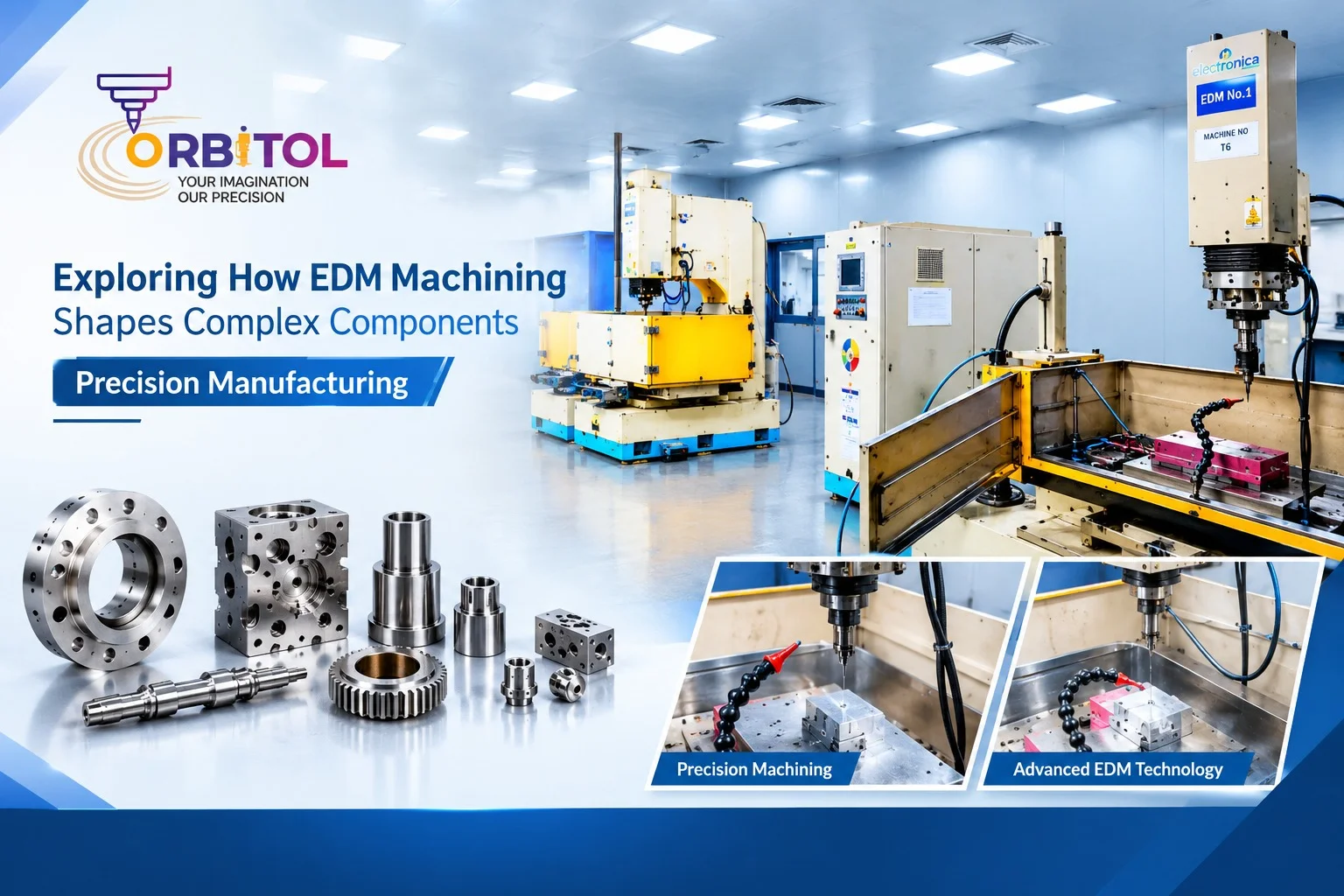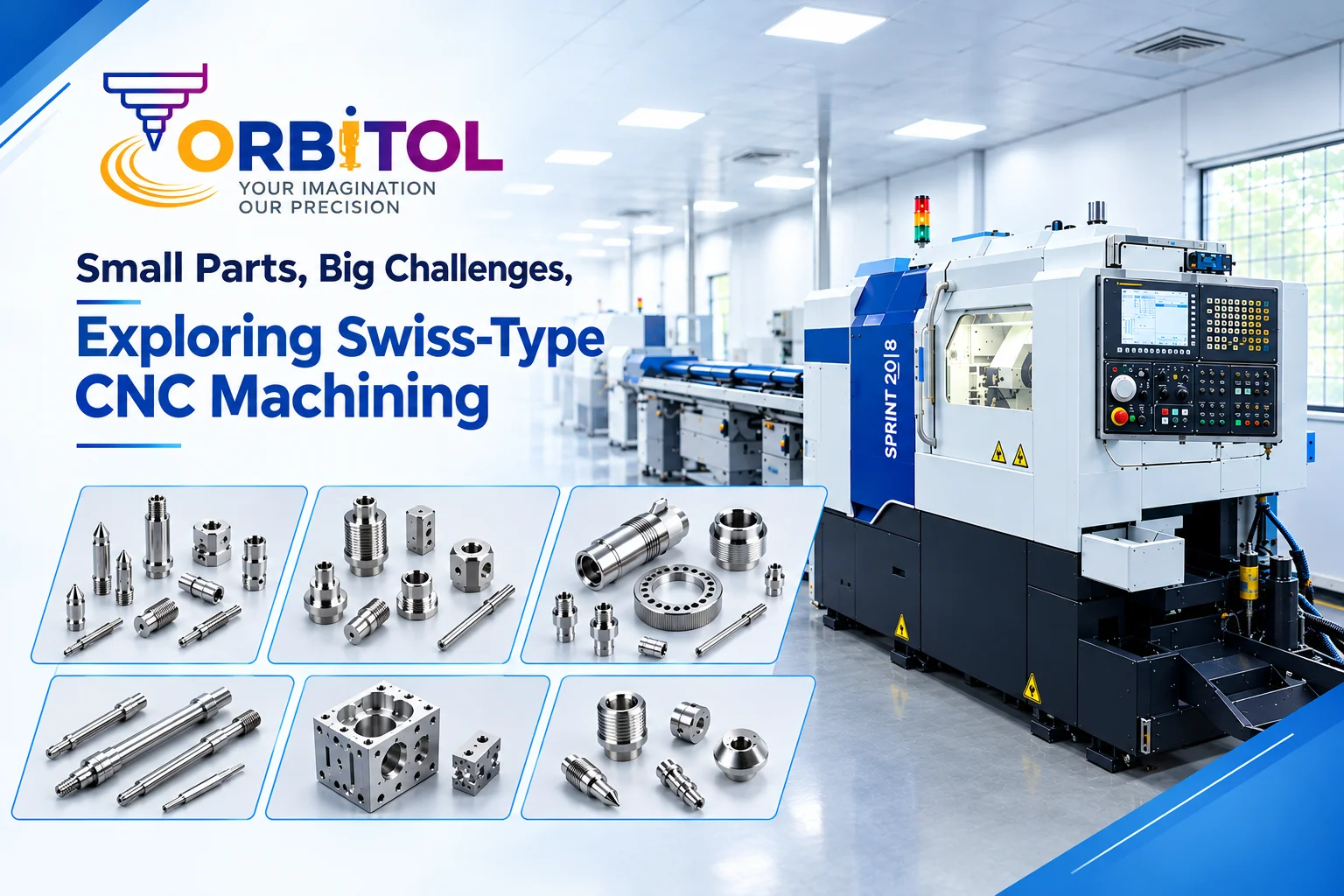
Wire EDM Machining, Manufacturing a component. With a complicated shape is not always easy. Some parts require extremely fine cuts, narrow slots, sharp internal corners, or dimensions that must stay within tight tolerances. Traditional cutting methods can struggle with these requirements, especially. When the material is hard or the design leaves very little room for error.
This is where Wire EDM Machining becomes useful. This is an advanced manufacturing method. Which involves the use of controlled electric sparks for cutting the conductive pieces into correct shapes. This process does not rely on regular tools and can make complicated shapes that cannot be made by traditional means of manufacturing.
This technology is useful in several industries, such as automotive and aerospace ones. In this article I will have a closer look into the functioning of this process and the peculiarities of its application.
In this article, I will share the description of this procedure along with its main advantages. As well as pieces of equipment that are utilized in this process.
Table of Contents
- What Is Wire EDM Machining?
- How Does the Wire EDM Process Work?
- How Wire EDM Machining Achieves High Precision and Accuracy
- Key Benefits of Wire EDM Machining
- Common Applications Across Industries
- Materials Suitable for Wire EDM
- How to Choose the Right EDM Machining Services?
- Conclusion
1. What Is Wire EDM Machining?
This method is known as Wire EDM Machining. Wire Electrical Discharge Machining and it is used to cut electrically conductive materials. The process makes use of electric sparks for cutting the material.
The difference of this method from regular methods of cutting, like milling or sawing. That there is no need for the wire to put pressure directly on the workpiece. In fact, electricity cuts little pieces of material according to the predetermined cutting pattern. This makes this method suitable for cutting intricate shapes into the material.
Wire EDM is a type of Electrical Discharge Machining, commonly called EDM. The wider EDM category also includes other processes, such as sinker EDM. Which uses a shaped electrode rather than a continuously moving wire.
One important point is that the workpiece must be electrically conductive. Materials such as tool steel, stainless steel, aluminum, copper, and certain conductive alloys can be processed using this technique.
Wire EDM is a process that has specific advantages in the manufacture of components. That have a complicated shape or requires fine inner details. One example of the application of this process is when a company has to produce a die with a complex geometric configuration as well as intricate details, like very narrow slots things. That cannot be achieved through traditional machining methods.
Generally, the process is useful only in certain cases. Other types of operation, like milling or cutting, may be cheaper and faster in most cases.
2. How Does the Wire EDM Process Work?
Wire EDM process is based on obtaining an electronic model or an engineering drawing. Based on the obtained input, the manufacturer prepares a machine tool path for the EDM system.
Every thin metal cable that is usually brass or some other metal. That moves through the wire EDM machine. The wire is kept at a small distance. From it and submerged in the dielectric liquid.
When electrical impulses are supplied by the machine. Sparks appear in the gap between the wire and the workpiece. Due to the heat generated by these discharges. Small parts of the material are melted or vaporized. While the dielectric fluid effectively dissipates them.
By moving the wire in accordance with the program, the required shape is produced by means of many such pulses. The cutting operation might consist of a rough cut along. With one or more finishing cuts owing to the machine and part setup. The function of rough cutting is to eliminate a bulk of the material with minimum time consumption while finishing cuts serve to improve surface quality and dimensional accuracy.
There are several things that will affect the end result, for example, the condition of the electrical wire, the electrical settings, the machine calibration, the stability of the workpiece, and the quality of the programming. Not controlling all of these factors properly can result in poor quality components.
3. How Wire EDM Machining Achieves High Precision and Accuracy
Precision is among the main reasons why manufacturers resort to this technology. However, quality of the result does not only depend on the wire itself.
A controlled cutting process
The cutting method consists in following the predetermined path while regulating the electrical discharges involved in the cutting process. All of this controlled process allows manufacturers obtain complicated profiles and delicate elements.
The Wire EDM process stands out Because Wire EDM does not rely on a conventional cutting tool pressing against the workpiece, it produces very low mechanical cutting forces. For that reason, this method is capable of making mechanical deformation during operation minimal.
Complex Shapes and Details
Some components have narrow slots, small holes, an inner outline or odd shapes that do not allow the use of traditional tools in their production. However, the Wire EDM process allows the work to be performed along predetermined routes.
This means that it is possible to manufacture such elements as dies, punches, body inserts, or particular engineering parts.
Better control over dimensions
The precision of Wire EDM work depends on several things such as the state of the equipment, the properties of the wire used, the temperature of materials, programming, and the number of operations performed. If all of these factors are taken into consideration, it is possible to produce parts that fall within precise dimensional specifications.
Nevertheless, there is no universal tolerance in Wire EDM technology. The outcome of the work depends on the machine used, the material thickness, the shape of the part, and production conditions. Therefore, it is advisable to clarify the tolerance required before starting production.
Reduced cutting pressure
Since the wire employs electrical discharges to eliminate material instead of mechanical force as in conventional machining, a workpiece experiences very little of the physical force. The latter can be an advantage when manufacturing small items that could bend or change their position with standard machining.
At the same time, even though the machine itself is capable of doing the required work while dealing with delicate items, proper workholding is needed. If setup is not good enough or wrong parameters are used, this negatively influences the results of manufacturing.
For high precision machining, it is necessary to combine appropriate machinery with well-developed processes and reliable measurements. That is what allows obtaining positive results from the employed technology.
4. Key Benefits of Wire EDM Machining
Wire EDM combines many useful benefits especially when the component is complicated or has stringent tolerances.
One of the main advantages is its ability to create complicated contours. The wire is able to follow programmed contours to create forms that would require multiple operations in conventional machining practices. This can cut down production costs in the case of the dies, punches, and similar devices.
One more advantage of the process is its ability to cut several hard conductive materials. The parts made from hard tool steel for example might be really hard to cut in the conventional way once they are being heat treated. The wire EDM can be applied to create the necessary contour after hardening, depending on the properties of the material and part.
The low cutting forces can also help when manufacturing delicate shapes. Since the process does not rely on a tool applying substantial pressure to remove material, it can reduce certain types of mechanical distortion.
Wire EDM may also reduce the need for specialised profile-cutting tools. Instead of manufacturing a dedicated cutter for every shape, the machine can follow a suitable programmed path. This can be useful for custom components and lower-volume production runs.
Surface quality is another consideration. With the appropriate techniques and required finishing machining operations, it is possible to get a good surface finish that can be used in many engineering applications. The result will depend on the type of material used, the required type of finish, and the machining technique used.
Wire EDM may not be the fastest process at times. Cutting speed can depend on such factors as thickness, hardness and shape of the material and the required finished surface characteristics.
5. Common Applications Across Industries
Wire EDM is a technology applicable in business sectors which need items with advanced shapes, accurately formulated shapes and correct geometry.
In the automobile market, it is possible to manufacture tools, dies, punches and particular metal parts. Such components need to be produced with specified geometries, as minor mistakes in the dimensions may lead to complications while assembling or operating the overall object.
Precision machining methods are used for some aerospace components and tools. In these cases, specifically formulated dimensions, as well as material characteristics, should be strictly followed so that the results of inspections can be documented.
The tool and die industry is a key application area for Wire EDM machining. The process is widely used to manufacture dies, punches, inserts, and precision tooling components that require intricate profiles and tight dimensional tolerances. Its ability to machine narrow slots, complex contours, and detailed internal features makes it particularly suitable for tooling applications where conventional machining methods may be limited.
Manufacturers dealing with medical equipment can also make good use of Wire EDM technology for producing specific couplings due to its established applicability.
Generally, the application of Wire EDM in engineering allows one to produce customized components, prototypes, jigs, and other specific machine parts. This method may come effective when there is no other cutting alternative working with a required shape in an effective manner.
The main idea here is to consider matching the requirements of the process according to the application. The proper manufacturer should look through the drawing including the material, tolerances and purposes of the product being manufactured before suggesting the appropriate manufacturing methods.
6. Materials Suitable for Wire EDM
Wire EDM can be used on a variety of electrically conductive materials. Your choice of material should take into account the function of the component, its working conditions, its mechanical properties, and its requirement during the manufacturing process.
Tool steel is usually used for tooling, dies, and punches. If a certain component is to be used in an environment where corrosion can occur, stainless steel can be chosen. If the properties of aluminum and copper correspond to the required parameters of a certain operation, these metals can be also machined. Nickel-based alloys and titanium alloys can be used as well.
One of the benefits of Wire EDM is that it allows machining of materials that have undergone hardening or do not require a cutting edge. This allows making complicated shapes after heat treatment without additional operations in many cases.
Still, you have to be cautious about your selection of the material. Electrical conductivity, thickness, stress state, and shape of the product are very important features to consider.
When ordering, make sure to provide your supplier with all the information about the exact material grade. Also, please consult to check whether certification, dimensional reports, or any other records will be confirming whether material certification, dimensional reports, or additional inspection records will be needed.
7. How to Choose the Right EDM Machining Services
Choosing the right EDM machining service provider is essential to achieving consistent quality, dimensional accuracy, and reliable delivery. A capable supplier should have the appropriate equipment, experienced technicians, well-defined machining processes, and an effective quality control system.
Provide Complete Technical Specifications
Start by sharing a detailed engineering drawing or CAD file that includes the material grade, critical dimensions, tolerances, surface finish requirements, production quantity, and inspection criteria. Providing complete specifications helps the supplier evaluate the machining requirements and prepare an accurate quotation.
Evaluate Technical Capabilities and Experience
Review the supplier’s experience with similar components, materials, geometries, and tolerance requirements. Confirm that their equipment can meet your specifications and ask about their approach to handling complex profiles or challenging machining operations.
Verify Quality Control Procedures
Before placing an order, discuss the supplier’s inspection and measurement procedures. Ask how critical dimensions will be verified and whether dimensional inspection reports, material certificates, or other quality documentation can be provided when required.
Review Quotations and Delivery Schedules
Compare quotations based on the complete scope of work rather than price alone. The quotation should clearly outline machining costs, material charges, finishing operations, inspection requirements, packaging, and expected delivery dates. Factors such as programming, setup time, cutting speed, and additional finishing passes can influence both cost and lead time.
Consider a Prototype or Trial Order
For a new supplier or a critical component, consider starting with a prototype or small trial order. This allows you to evaluate dimensional accuracy, surface quality, communication, and delivery performance before committing to larger production volumes.
A reliable EDM machining partner should communicate clearly, identify potential manufacturing challenges early, and demonstrate that the finished components meet the agreed technical specifications and quality requirements.
A good manufacturer should be able to describe the step of their work, voice their concerns before starting the production and send the finished products that meet the previous agreement.
Conclusion
Wire EDM has grown to be a solution when it comes to the fabrication of electrically conductive products that have complex geometrical shapes and strict dimensional requirements. Using controlled electric arcs rather than standard means of cutting, it is possible to create complex shapes with features such as fine contours, slots, and other peculiarities that would be difficult to obtain with regular techniques.
Nonetheless, success with this technique is not limited by the technology alone since the final outcome is impacted by several factors including, but not limited to, choice of the material, machine maintenance and overall condition, programming, cutting parameters, and inspection.
If you are considering Wire EDM Machining for a precision component for your project, the first thing you need to do is identify the specifications of the component such as its dimensions, materials, tolerances, and the finish of its surface. After that, it is important to compare various service providers according to their technical capabilities, quality assurance measures, price policy, and terms of delivery.