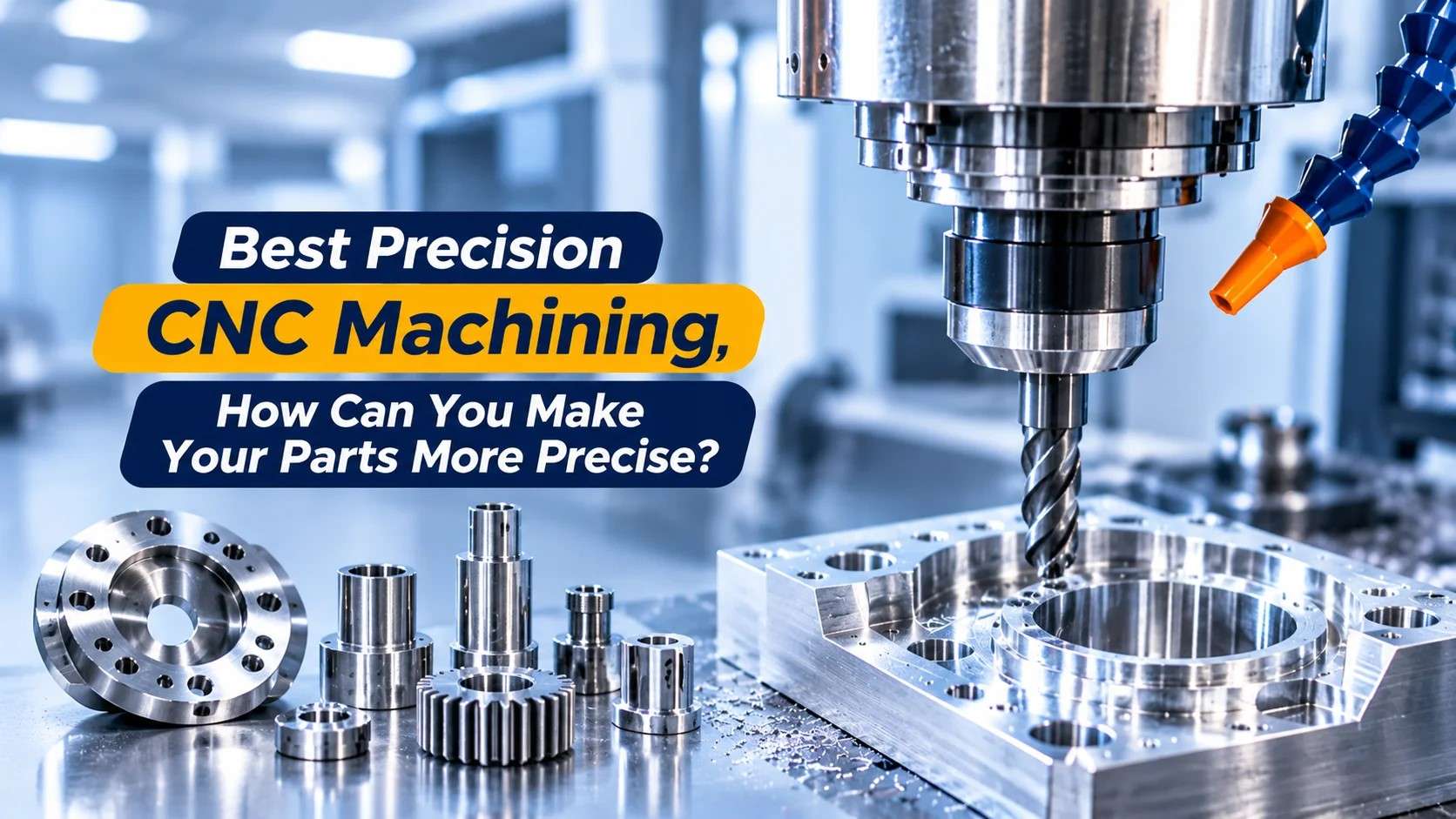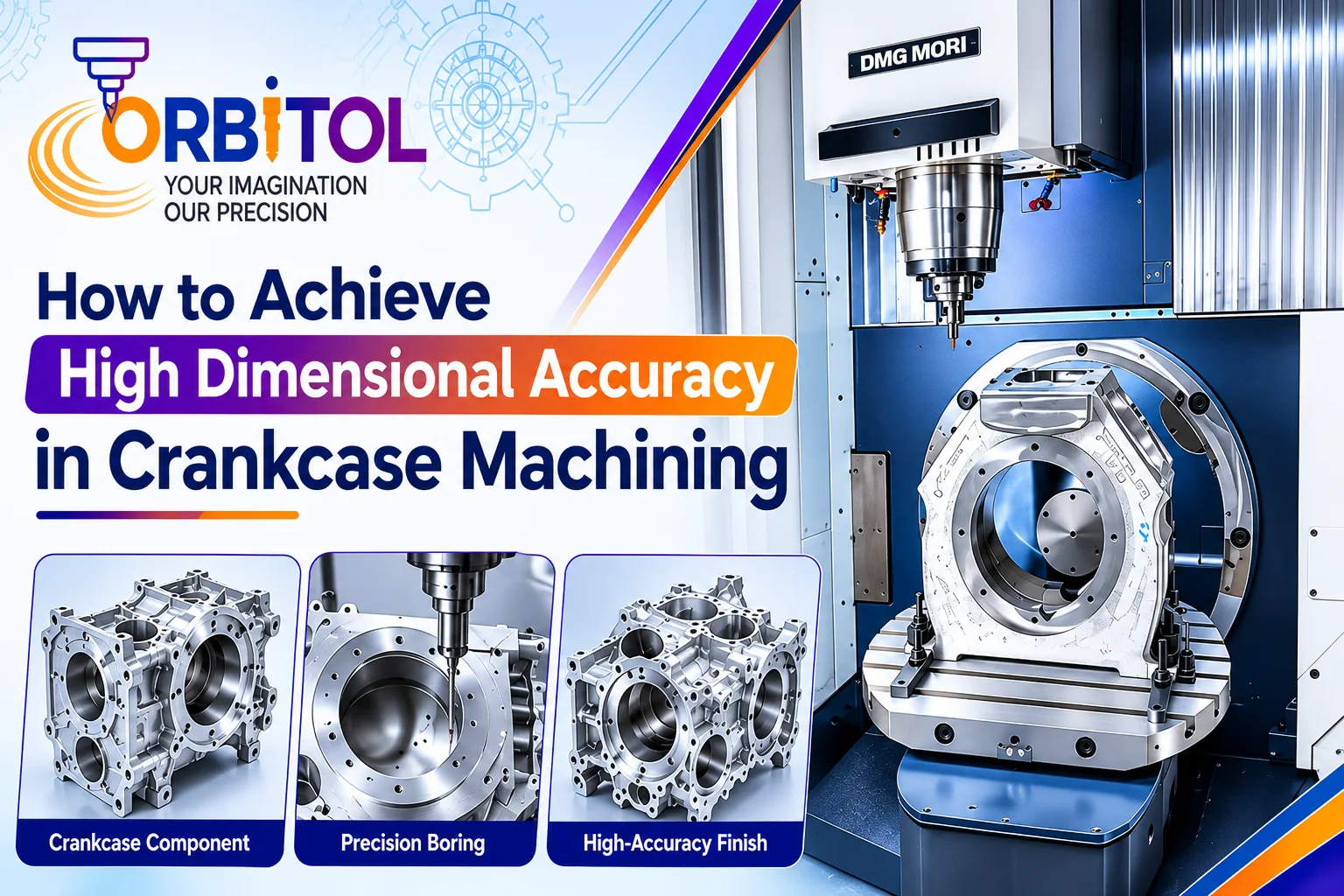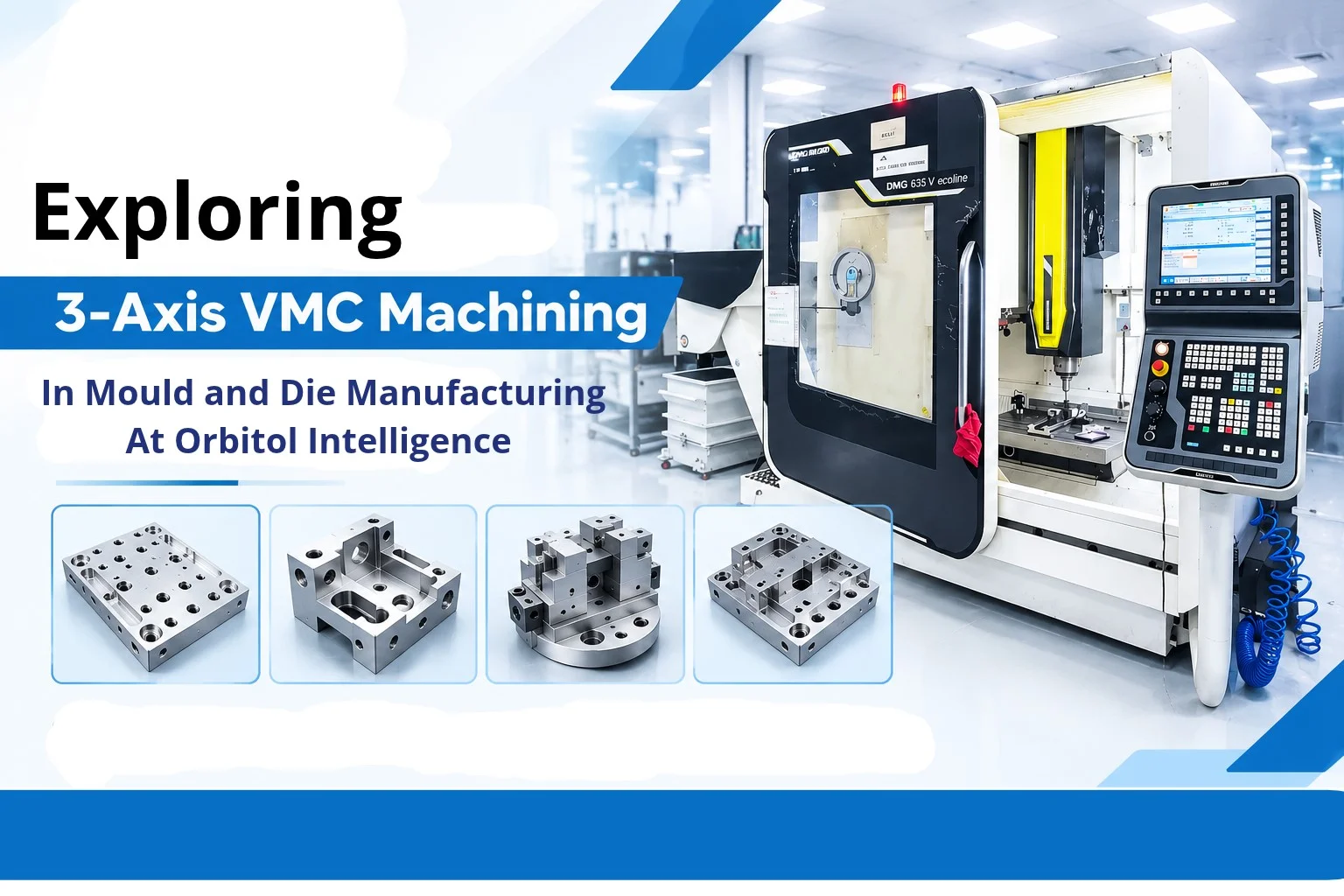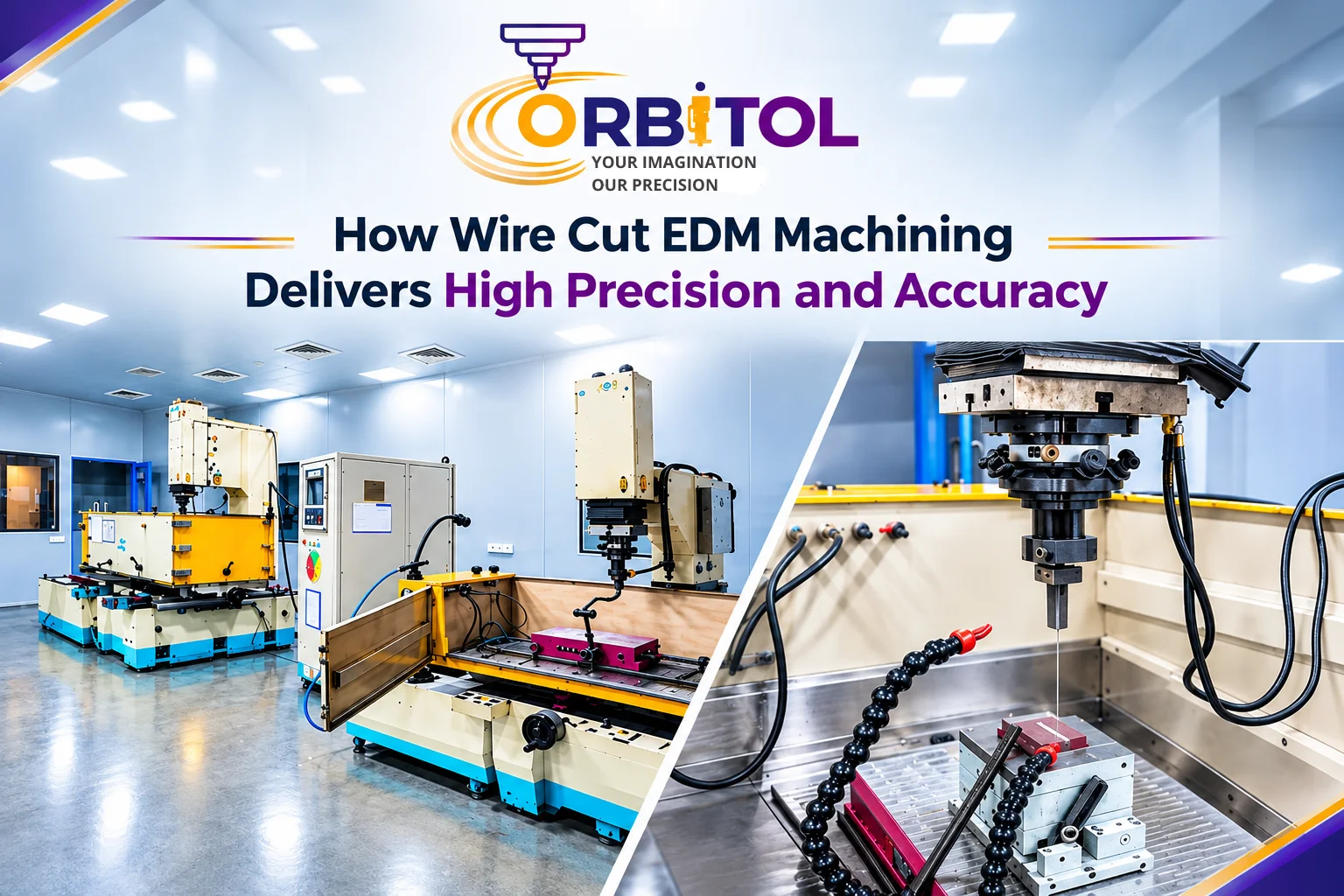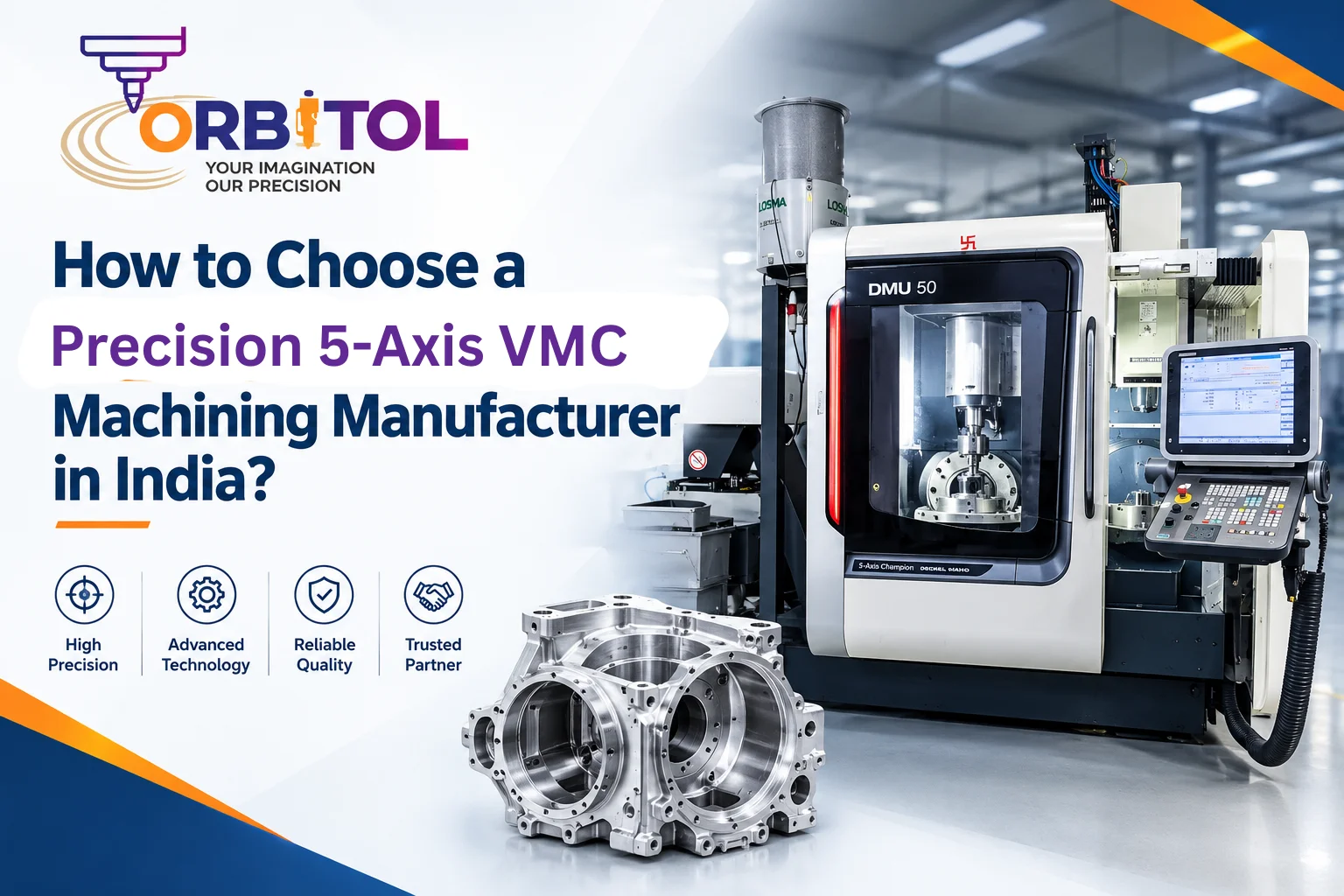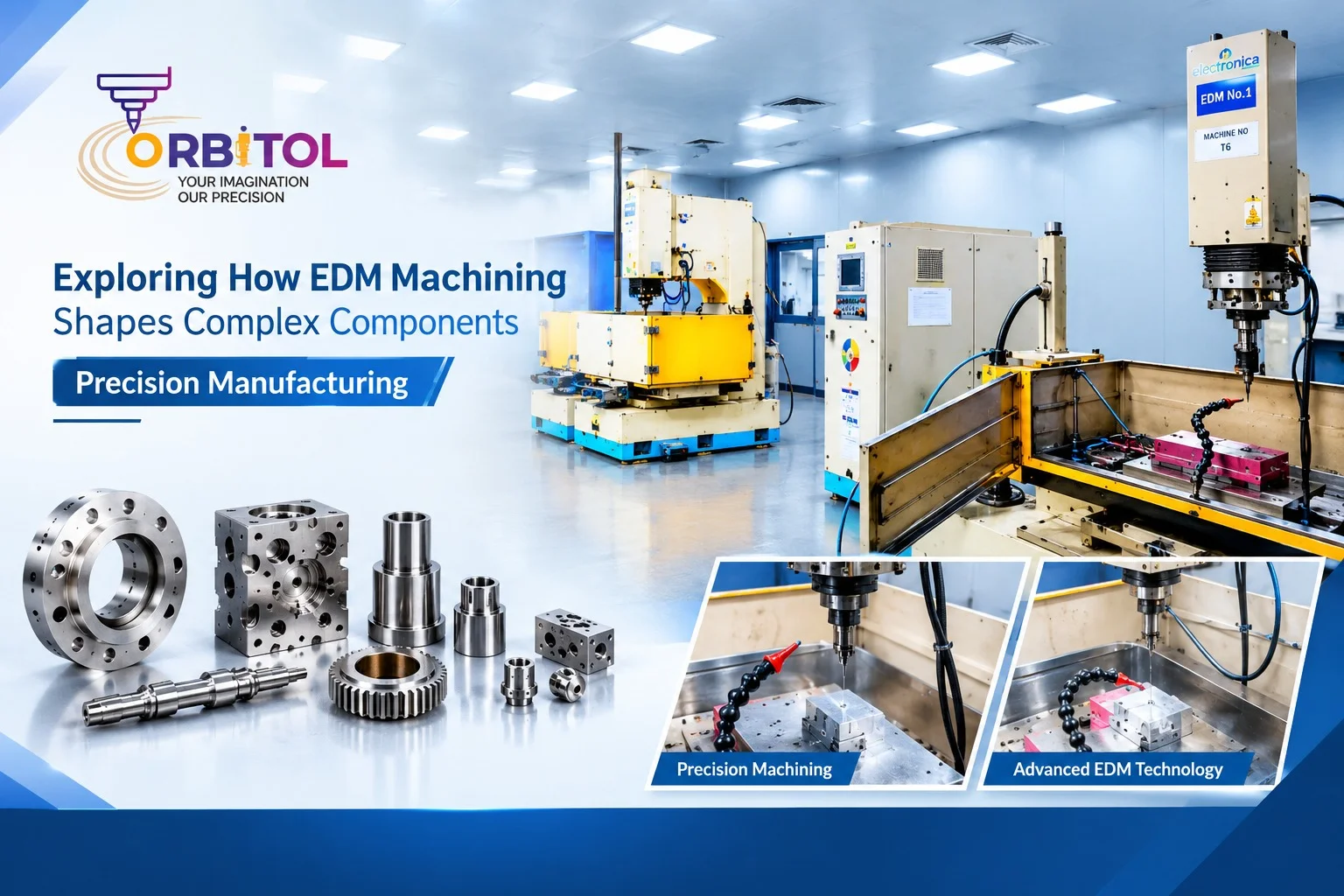
Achieving high dimensional accuracy in Precision CNC Machining requires the right combination of advanced equipment, skilled operators, and proper machining techniques. Start by selecting high-quality cutting tools and suitable materials for the component. Regular machine calibration and maintenance help reduce errors and maintain consistent performance. Accurate CNC programming, correct cutting speeds, and optimized feed rates also play an important role in producing precise components. Temperature control is equally important, as heat can cause material expansion and affect measurements. Additionally, using advanced inspection tools such as coordinate measuring machines (CMM) helps verify dimensions and maintain tight tolerances. By following these practices, manufacturers can improve CNC Machining Accuracy, reduce material waste, and deliver reliable CNC Machined Parts that meet demanding industry standards.
Table of Contents
- What Is Precision CNC Machining?
- Key Factors That Affect Machining Precision
- The Role of Materials and Cutting Tools
- How to Achieve High Dimensional Accuracy in Precision CNC Machining
- Choosing the Right CNC Machining Services
- Conclusion
1. What Is Precision CNC Machining?
In manufacturing, even a small dimensional difference can create a big problem. A component that looks perfectly fine may not fit properly during assembly, or it may affect the performance of the machine in which it is used. This is why accuracy plays such an important role in modern engineering.
Precision CNC Machining is a manufacturing process that uses computer-controlled machines to produce components according to specific design measurements. These machines follow programmed instructions to perform operations such as milling, turning, drilling, boring, and cutting.
Unlike manual machining, CNC technology allows manufacturers to repeat operations with a high level of control. Once the program and machine setup are properly established, the same component can be produced repeatedly while maintaining the required dimensions.
This process is widely used in industries such as automotive, aerospace, medical equipment industrial machinery and electronics. These sectors often require components with close tolerances, accurate holes, smooth surfaces, and consistent dimensions.
However, owning an advanced CNC machine is not enough to guarantee a precise result. The quality of the finished component also depends on programming, tool condition, material selection, machine maintenance, workholding and inspection.
In this blog, we will explore the practical ways manufacturers can improve machining precision and produce reliable components.
2. Key Factors That Affect Machining Precision
Several factors influence the final dimensions and surface quality of a machined component. Understanding these factors is the first step towards improving the production process.
Machine condition and stability
A CNC machine needs to remain mechanically stable during operation. Worn guideways, spindle issues, vibration, backlash or poor alignment can affect the cutting process. Regular maintenance and machine checks help identify these problems before they affect production.
Tool condition
Cutting tools gradually wear down as they remove material. A worn or damaged tool may produce rough surfaces, incorrect dimensions or inconsistent results. Selecting the right tool and replacing it at the appropriate time can help maintain quality.
Workholding and fixture setup
A component must remain securely positioned while machining takes place. If the workpiece moves or is not clamped correctly, its dimensions may change during the operation. Suitable fixtures and proper clamping methods help maintain stability.
Programming and machining parameters
The CNC program controls how the machine moves and how the cutting tool interacts with the material. Incorrect tool paths, unsuitable feed rates or improper spindle speeds can affect the finished part.
Temperature and thermal changes
Heat generated during machining can cause both the machine and workpiece to expand. Even small temperature changes may affect measurements, particularly when working with close tolerances. Coolant, suitable cutting conditions and a controlled inspection environment can help manage thermal effects.
All these factors need attention. Improving just one part of the process may not be enough if other sources of variation remain uncontrolled.
3. The Role of Materials and Cutting Tools
Material selection has a direct effect on machining behavior. Different metals respond differently to cutting forces, temperature and tool contact. Choosing the right material for the application can make the machining process easier to control.
Aluminium is often selected for components where low weight and good machinability are important. Stainless steel is used when corrosion resistance is required while carbon and alloy steels are common in applications that need strength and durability. Titanium and specialised alloys may be used for more demanding engineering applications.
Each material requires suitable cutting tools and machining parameters. For example, a tool that performs well on aluminum may not be the right choice for hardened steel. Tool material, coating, geometry, cutting speed and feed rate should all be considered.
Tool wear is another issue that manufacturers need to monitor. As a cutting edge becomes worn, it may require more force to remove material. This can increase heat and affect the finished surface or dimensions.
Using tool-life monitoring, regular visual checks and appropriate replacement schedules can help prevent unexpected quality issues.
Coolant and lubrication also play an important role. Depending on the operation and material, they can help control heat, remove chips and improve cutting conditions.
The aim is to create a machining setup in which the machine, material and cutting tool work together efficiently. This is essential when producing CNC Machined Parts that must meet specific engineering requirements.
4. How to Achieve High Dimensional Accuracy in Precision CNC Machining
Achieving high dimensional accuracy in Precision CNC Machining requires the right combination of advanced equipment, skilled operators, and proper machining techniques. Start by selecting high-quality cutting tools and suitable materials for the component. Regular machine calibration and maintenance help reduce errors and maintain consistent performance.
Accurate CNC programming, correct cutting speeds, and optimized feed rates also play an important role in producing precise components. Temperature control is equally important, as heat can cause material expansion and affect measurements. Additionally, using advanced inspection tools such as coordinate measuring machines (CMM) helps verify dimensions and maintain tight tolerances.
By following these practices, manufacturers can improve CNC Machining Accuracy, reduce material waste, and deliver reliable CNC Machined Parts that meet demanding industry standards.
5. Choosing the Right CNC Machining Services
Finding a suitable machining partner can make a noticeable difference to product quality and production planning. The right supplier should have the equipment, technical knowledge and inspection facilities needed for your particular project.
Start by checking the manufacturers experience with similar components and materials. A supplier familiar with your industry may better understand the dimensional requirements and manufacturing challenges involved.
Ask about machine capabilities, available machining operations, workpiece size limits and inspection equipment. It is also useful to understand how the supplier handles programming, tool selection and process planning.
When comparing CNC Machining Services, do not look at the quotation alone. Check what is included in the price, such as raw materials, machining, finishing, inspection, packaging and delivery. A low initial price may not represent the best overall value if important services are excluded.
Communication is another important factor. A dependable manufacturer should review your drawings, clarify technical details, explain possible production challenges and provide realistic delivery timelines.
For a new supplier, a prototype or trial order can be a useful way to evaluate its capabilities. You can review the dimension surface finish inspection reports and delivery performance before placing a larger order.
At Orbitol Intelligence, we believe that informed manufacturing decisions begin with understanding the technical requirements of a project. Looking at machine capability, process control, quality inspection and overall value can help businesses make better choices for their machining needs.
6. Conclusion
Producing accurate components requires more than advanced CNC equipment. Machine condition, cutting tools, material selection, programming, workholding, temperature control and inspection all contribute to the final result.
By following a planned machining process and checking critical dimensions throughout production, manufacturers can reduce errors and improve consistency. Applications such as crankcase machining also show why careful fixture design, machining sequences and measurement methods are so important.
When selecting a manufacturing partner, consider its technical experience, equipment, quality procedures and ability to meet your specifications. The right approach to Precision CNC Machining can help improve component quality, reduce rework and support more reliable production.
Whether you are developing a prototype or planning regular production, focusing on process control and accurate measurement is a practical way to achieve better machining results.