Introduction
Out in today’s factories, moving fast means nothing without hitting exact measurements every time. Think car engines, plane pieces, metal molds – each part must fit perfectly, so shops turn to smart cutting systems that never waver. Sitting right at the core of this effort? The vmc machine makes it happen behind the scenes.
A spinning tool carves metal day after night inside these tall machines found in factories far and wide. Precision lives here where movements follow tight digital paths, making each cut repeatable without constant oversight. One by one shops adopt them not because they must but because tasks grow too detailed for older methods. Change arrives quietly when new parts form faster than before using rotating arms that hardly pause between jobs.
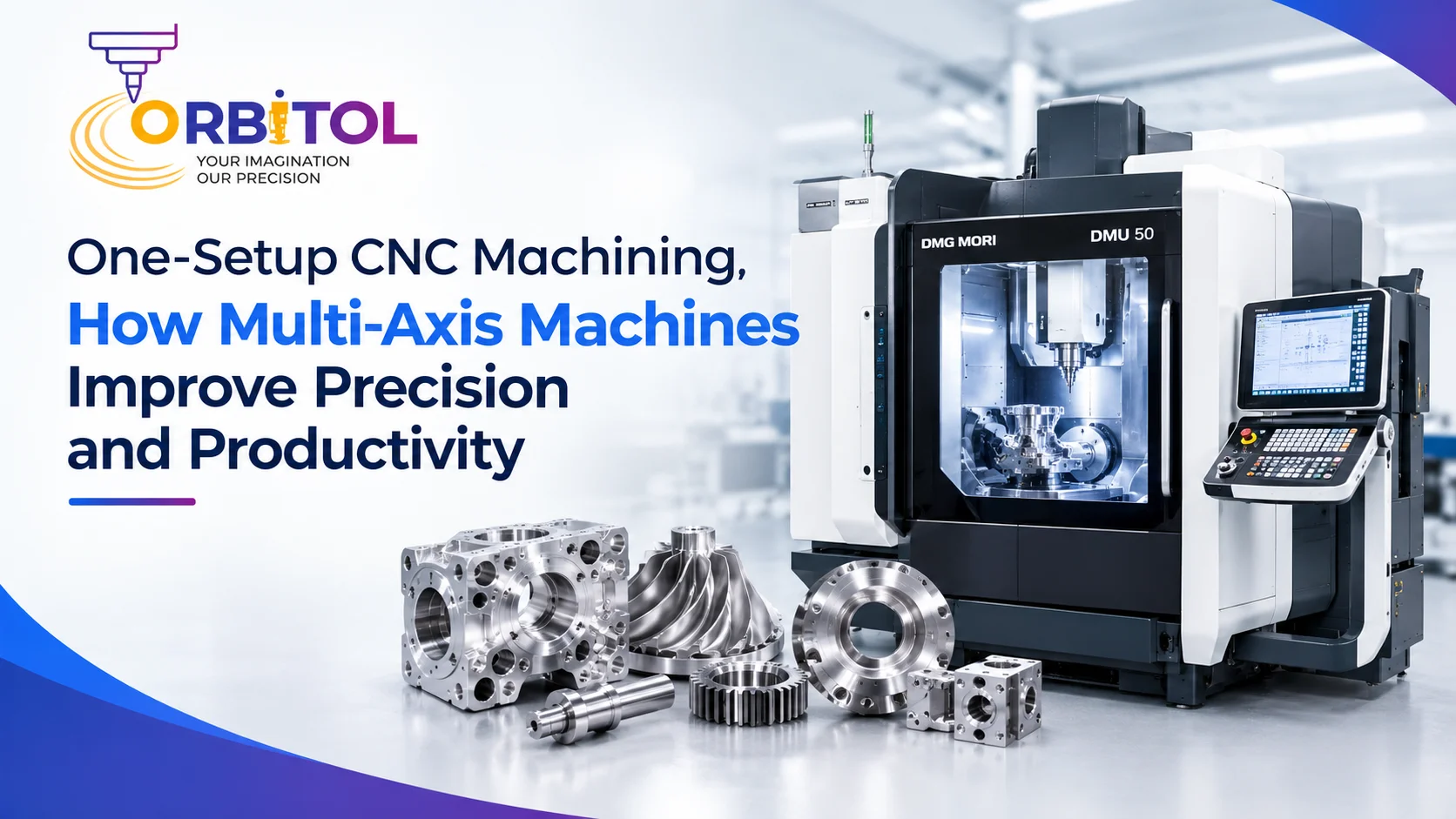
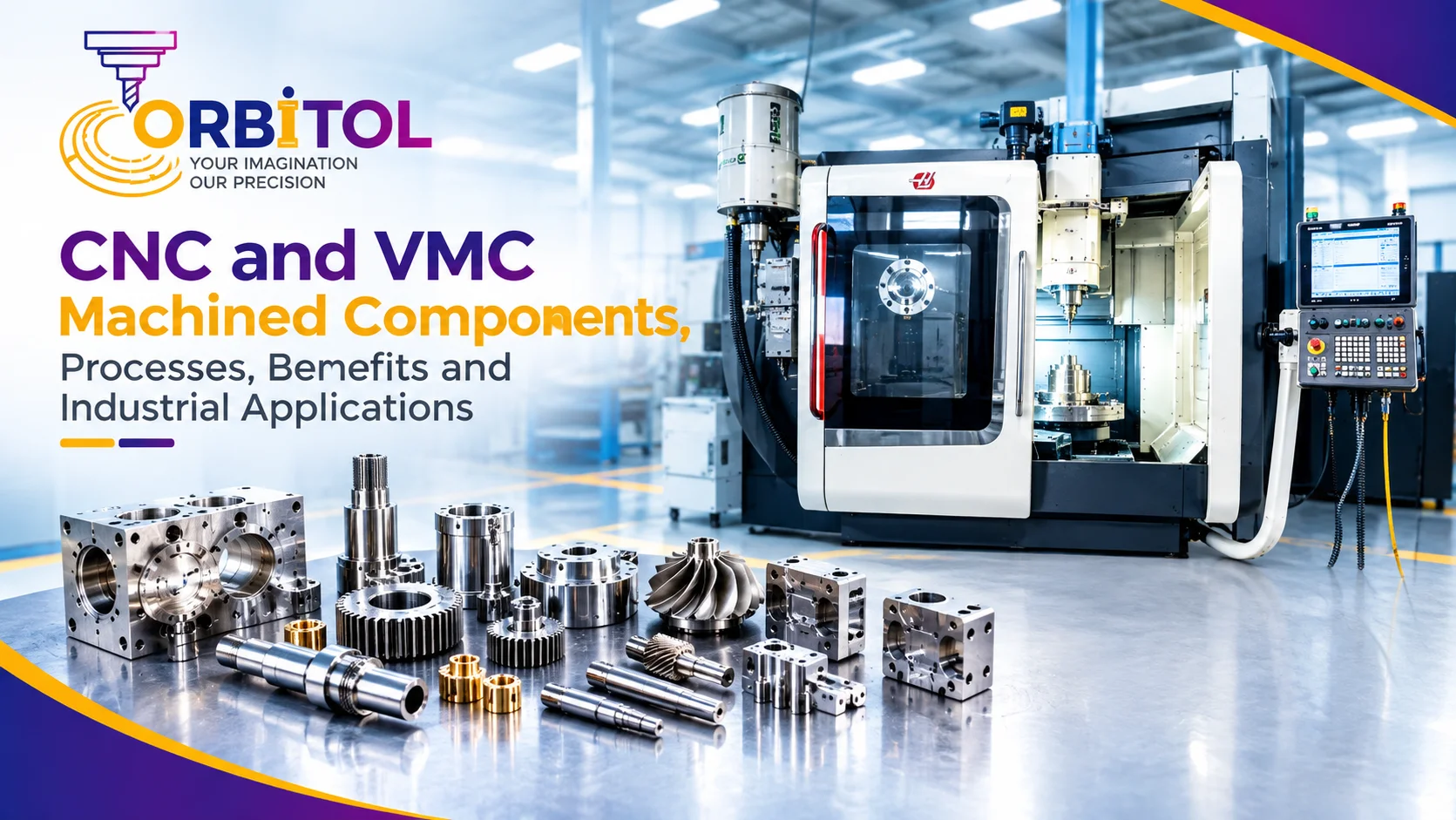
A closer look at VMC machines begins with their basic function. One way they operate involves vertical cutting motion powered by precise controls. Their main parts include a spindle, table, control panel, and enclosure structure. During use, material gets shaped through repeated tool contact guided by programmed paths. These machines fit tasks in aerospace, automotive, medical device production. Benefits show up in accuracy, speed, consistent output over time. Yet limits exist such as size constraints and setup demands. Picking a reliable provider becomes key when performance matters most. Orbitol stands out due to experience built over years serving industrial needs.
What is VMC Machines?
A spinning tool stands straight up inside a VMC machine, setting it apart from others. This setup allows exact cuts when shaping metal parts. Operations like carving flat areas happen smoothly here. Holes get drilled with consistent accuracy over time. Threads form neatly thanks to controlled movements. Enlarging existing holes works without shifting position. Smooth curves take shape under steady control.
A spinning cutter moves down through air in a VMC setup, with the material held still on a flat surface below. Instead of hands guiding it, coded commands drive how far and fast each part shifts during shaping. Precision locks in because the system follows exact digital paths every single time.
Key Definition Points :
- A Vertical Machining Center uses a vertically aligned spindle
- Operates using CNC control systems
- Performs multiple machining operations in a single setup
- Frequently found in work with metals, also plastics, along with alloys during shaping processes
A tool like the vmc machine shows up everywhere there’s a need for careful work done fast. Industries pick it not because it’s flashy but since it handles tasks without wasting time.
Understanding how a Vertical Machining Center operates helps manufacturers maximize its potential.
Starting with coded lines, a vmc machine follows g code steps that guide its motions. Movement happens because each command shows where to go, when to cut, what speed to use. Instead of guessing, it obeys precise directions stored ahead of time. These instructions shape every action the tool takes during operation.
How a VMC Machine Operates
Design Creation
From shapes drawn in digital space, the part begins life through design tools. One system lays out its form; another turns lines into steps a machine can follow. Built first in code, then carved by motion guided from those early sketches.
Program Execution
A sequence of coded instructions comes from the CAM software. This output moves straight into the brain of the vmc unit. The controller reads it line by line.
Material Setup
A firm grip holds the raw material on the worktable. Machine fixtures keep it steady during operation. Locked in place, the stock resists movement. The setup prevents shifts when processing begins. Position stays fixed through each stage.
Spindle Rotation
Spinning the cutter at set rates is what the vmc spindle handles.
Material Removal
Starting at one edge, the device shifts across three directions while cutting away bits exactly. It travels left-right, forward-backward, then up-down, shaping things by subtraction. Movement happens step by step, never skipping points. Each position adjusts carefully so only the right amount gets taken off.
Final Output
A precision-made part comes out holding close measurements, its exterior shaped by careful finishing. Smoothness defines how it feels, each edge meeting exact needs through steady craftsmanship.
A steady flow of tasks keeps the vmc machine running without hiccups, so performance stays strong. Built-in routines cut down delays, making operations smoother over time.
Main Parts of a VMC Machine
Inside a vmc machine, parts link up – each playing a role in how well it runs. Precision comes from their combined effort, shaped by design and timing.
1. VMC Spindle
Inside the machine, the spindle spins the cutting tool fast. Built to hold tight, it turns without wobble. Precision depends on how steady it moves. Surface quality changes when speed shifts. Its role matters most during detailed work. Smooth cuts come from balance here.
2. Machine Table
A steady base keeps the material in place during operation. Moving across horizontal and vertical directions, it stays stable even under weight that would shake lesser setups.
3. Tool Changer (ATC)
A tool swaps itself out without help when the job shifts, so the machine keeps moving instead of waiting. Machines pick up new gear mid-task by following preset steps, cutting idle moments while work flows faster. Swapping gadgets happens on its own, freeing time for more tasks to unfold smoothly.
4. Control Panel
From inside the machine, a small computer reads g code to guide motion. These days, such systems also check performance while they work.
5. Axis Drive System
Motion control comes from servo motors working with ball screws along each axis. Smooth, accurate movement happens every time these parts sync up right.
Types of VMC Machines
Different manufacturing needs require different types of Vertical Machining Center configurations.
3-Axis VMC Machine
Simple, found everywhere
Sliding across X, then shifting on Y, motion happens through Z
Fine-tuned machines handle flat pieces best. Smooth shapes fit without trouble. Straight edges line up easily. Flat surfaces slide right into place. Simple forms work naturally here
4-Axis VMC Machine
- Adds rotational movement
- Reduces part repositioning
- Improves productivity
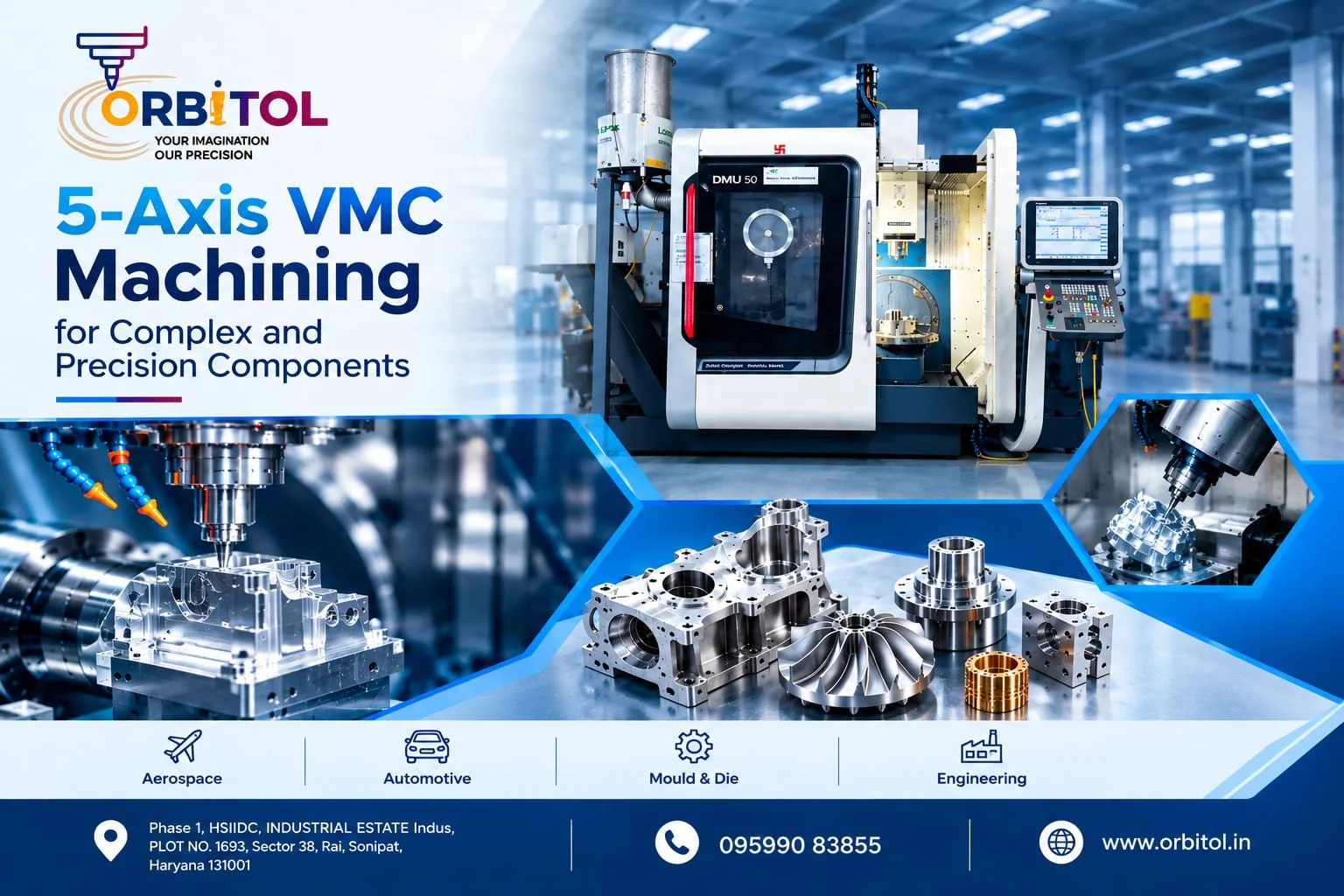
5-Axis VMC Machine
- Enables complex geometries
- High precision and flexibility
- Frequent within aerospace, also found across medical fields
- High-Speed VMC Machine
- Optimized vmc spindle speeds
- Shorter cycle times
- Excellent surface finish
How VMC Machines Work
Inside a vmc machine, cutting steps move in a set sequence. Step by step, each motion sticks to a clear path.
Design and Programming
Starting from a blank screen, engineers shape parts using cad cam tools before turning designs into machine-ready steps. Accuracy comes alive when each move is locked in by coded commands. Every piece repeats just right because the system follows exact digital paths.
Material Loading
Clamped tight, the workpiece won’t shift while being cut. Tools move fast – this piece stays put through it all.
Tool Selection
Choosing the right tool depends on what you’re cutting and how. The job type shapes which blade fits best.
Machining Execution
Spinning the tool, the vmc spindle moves as the machine traces its coded route. With each turn, it tracks the set path through quiet precision.
Inspection
A close look at completed parts checks if sizes match specs, while also judging how smooth the surfaces are. What matters most shows up under scrutiny – accuracy joins finish in the final review.
A single step-by-step method lets the Vertical Machining Center manage small custom runs along with large-scale output.
Vmc Machines In Action
With its adaptability, the vmc machine shows up in many different fields:
- Automotive Industry
- Engine components
- Transmission parts
- Brake system components
- Aerospace Industry
- Precision structural parts
- Lightweight components
- Tight-tolerance machining
- Medical Equipment Manufacturing
- Surgical instruments
- Implants and housings
- Industrial Machinery
- Machine components
- Tooling and fixtures
- Mold and Die Making
- High-precision cavities
- Complex contours
A machine that shifts easily with changing tasks stands out today. Its ability to adjust on the fly keeps factories running without pause.
Vmc Machine Benefits
A spinning tool inside a metal box wins favor among builders. Its perks stack up quietly but clearly.
High Precision Accuracy
Precision comes through CNC management, keeping results steady without drift. Output stays uniform because the system rarely wavers.
Faster Production
Picking tools without help, along with smarter g code, shaves seconds off each run. What matters shows up in how fast things finish.
Flexibility
A single VMC machine tackles several tasks without needing reconfiguration. While running, it shifts between functions smoothly. This setup reduces pauses during production. Instead of switching tools often, the system manages everything at once. With one arrangement, machining stays continuous.
Reduced Human Error
With automation, needing people to do tasks by hand drops off sharply.
Cost Efficiency
Fewer scraps mean less waste, so work moves faster while spending drops. Costs shrink when output rises without errors piling up.
Limits of VMC Machines
Despite its strengths, a Vertical Machining Center has some limitations.
Higher initial investment
A single typo in G code can scrap a part. Skilled hands shape precision through CAM software. Not everyone reads toolpaths like roadmaps. Mistakes cost time, material vanishes fast. Programmers spot errors before machines wake. Their eyes catch what sensors miss later
Fewer options work well once parts get too lengthy and round
Still, good preparation along with skill makes it possible to handle such limits well.
How VMC Machines Are Used in Today’s Manufacturing
A spinning tool whirring through tasks sits at the heart of modern factory upgrades. This gear links digital brains with physical motion, quietly shaping tomorrow’s production lines.
- Integration with automation systems
- Real-time monitoring
- Data-driven decision making
- Improved machine utilization
Fresh off the production floor, vertical machining centers now link up easily with robot helpers and digital plant networks. Instead of standing alone, they fit right into automated workflows where machines talk to each other. Some models adjust on the fly when paired with sensors or control hubs. Without extra tweaks, these units handle part swaps through mechanical arms. Even complex runs keep moving because connections stay stable between devices. Behind the scenes, software keeps timing tight across operations.
Orbitol Intelligence VMC Solutions for High-Precision Machining
Picking a good fit for vmc machine support matters just as much as the equipment you go with.
A single machine at a time – this is how Orbitol Intelligence Pvt Ltd shapes its work. Their systems handle complex tasks without extra noise. Precision comes through careful design, not guesswork. Custom setups meet worldwide production needs. Automation flows smoothly into existing lines. Each part fits strict quality rules. Global clients rely on consistent output. Machines adapt fast when demands shift. Details matter most in every build. Standards stay high across all projects.
What Orbitol Offers :
High-performance Vertical Machining Center integration
Finding help with CNC? Got it covered. Smooth cad cam work happens here. Precision guidance fits your pace. Problems turn into solutions fast. Every detail stays sharp. Trust builds through clear steps forward
Automation-ready VMC solutions
Mistakes slow things down – getting it right matters most. Speed means nothing without consistency behind it. Trust builds when results hold up every single time
Industry-specific customization
Starting with precision, Orbitol blends hands-on engineering know-how and modern tech to build vmc machines that boost output while lasting years under tough use.
What comes next for VMC machines
Facing shifts in production, the vmc machine holds steady importance. Though methods change over time, its role stays clear. With each update across factories, it adapts without losing function. Even when new tools appear, this one keeps pace. As long as building things matters, so does this equipment.
- Higher vmc spindle speeds
- AI-assisted machining
- Enhanced automation
- Improved energy efficiency
A tool that shapes more than metal – this workshop centerpiece builds tomorrow’s production strength. Built to evolve, it answers shifting demands before they arrive.
Conclusion
A spinning tool stands upright inside this machine, making it great for careful cutting jobs. Because of how it’s built, plus computer brains running special instructions, things come out just right every time. Whether shaping metal or crafting parts, the process moves smoothly from idea to finished piece. Its setup handles different tasks without slowing down, fitting neatly into many kinds of workspaces.
Confidence grows when making car pieces, airplane bits, or heavy-duty tools – that is where a vmc machine steps in. Working alongside seasoned experts such as Orbitol opens doors most never see, letting companies push further without slowing down.