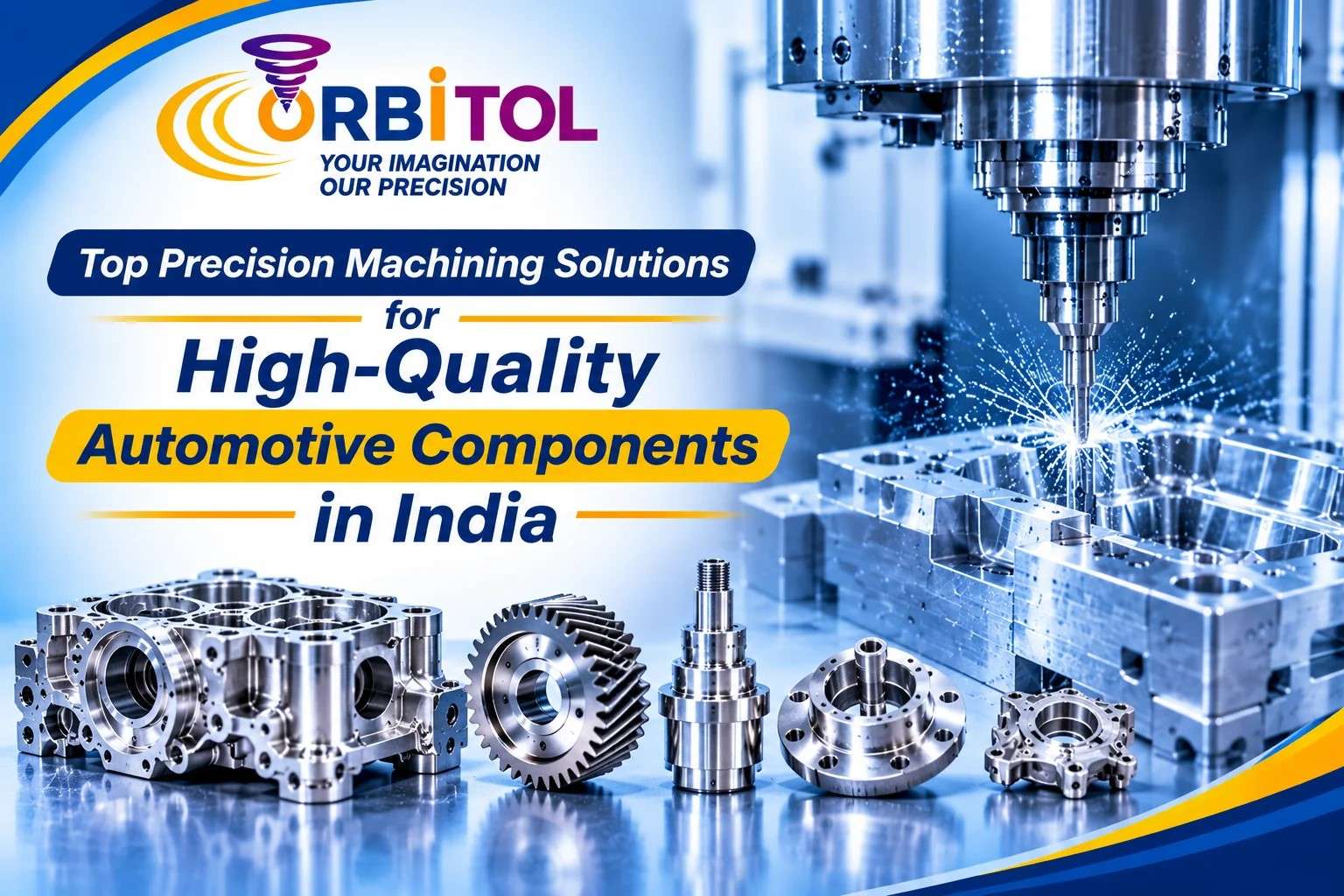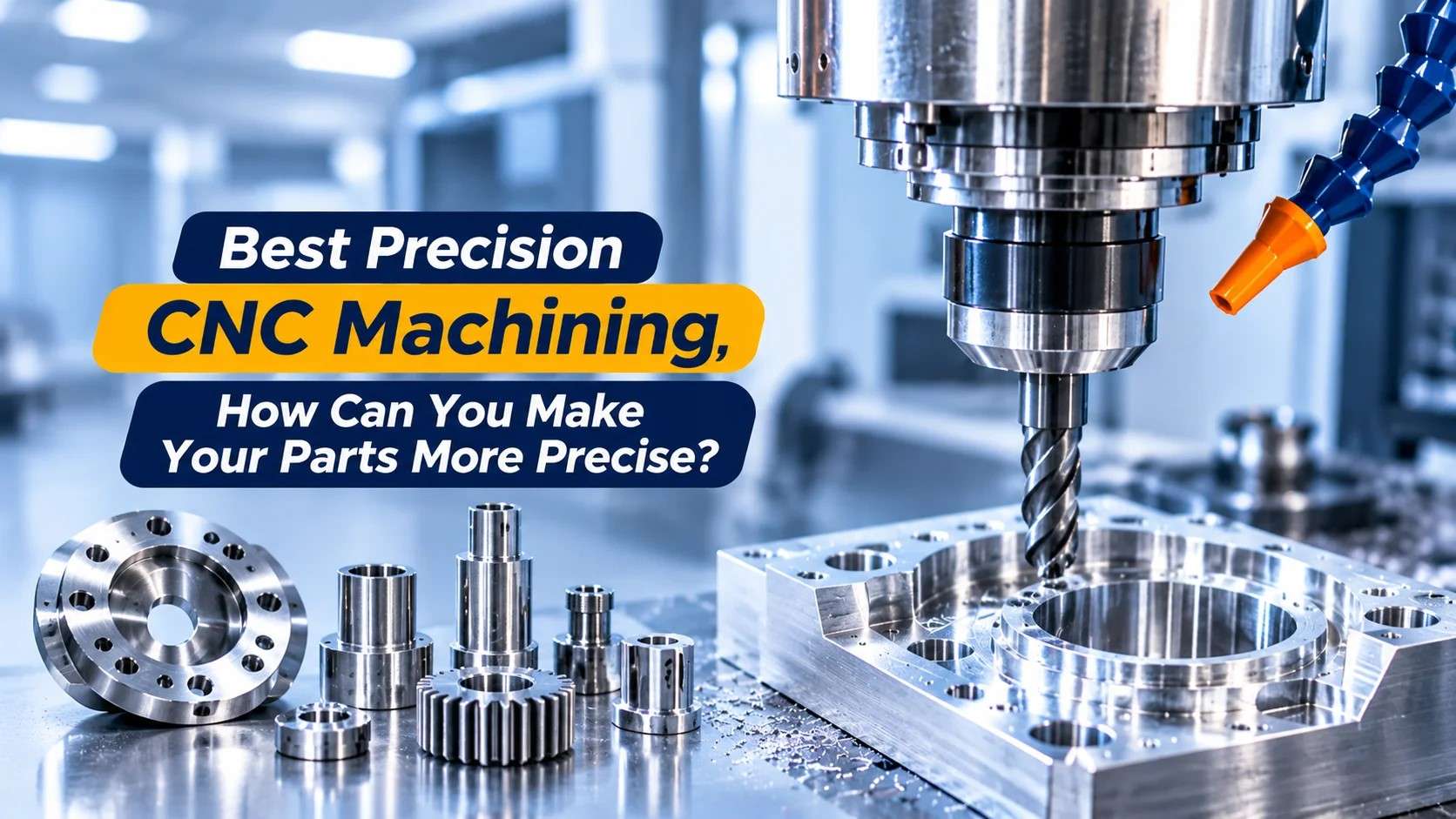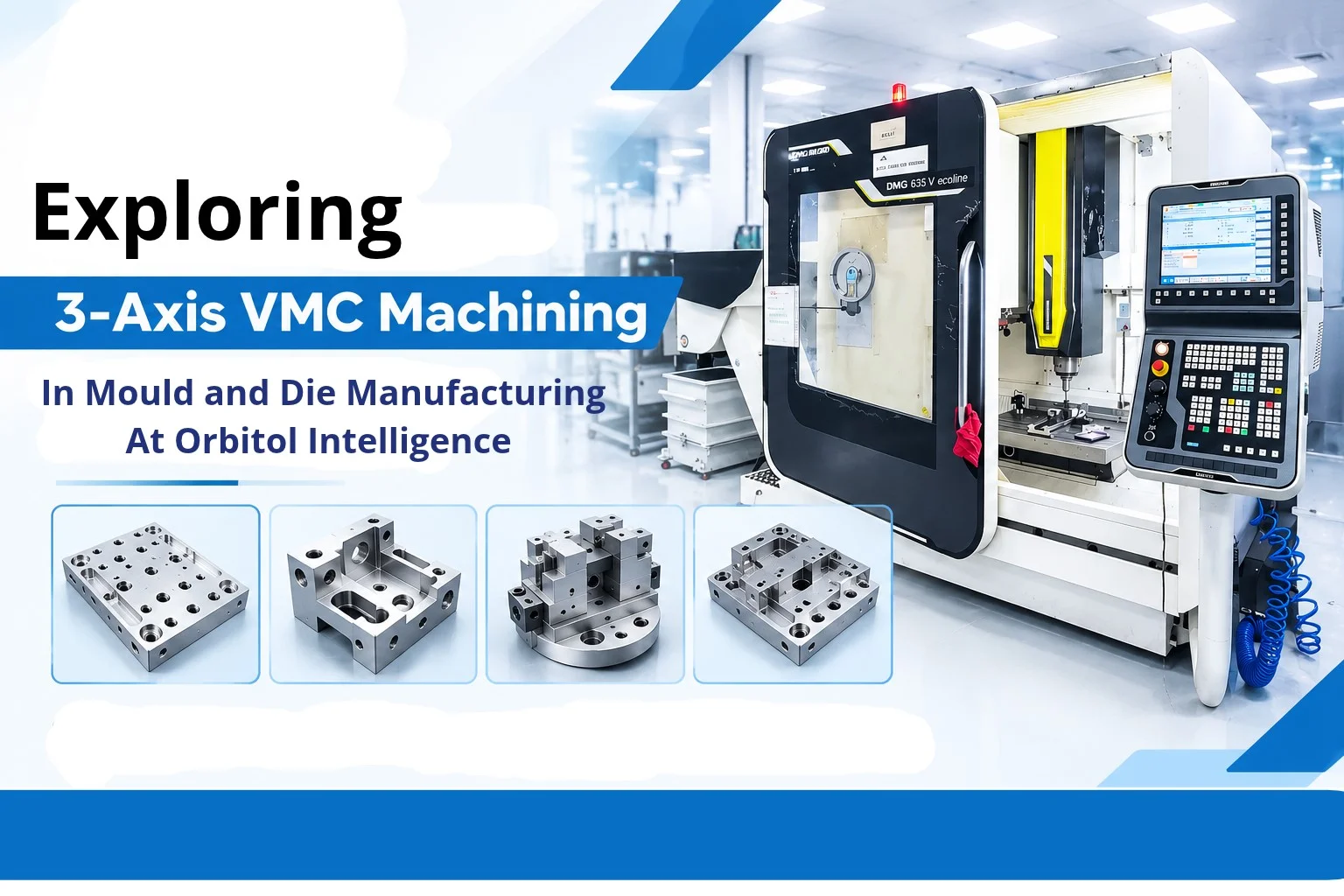
The automotive industry depends on components that deliver strength, dimensional accuracy, and consistent performance. Whether it is an engine part, transmission component, or another critical assembly, every component must meet specific manufacturing and quality requirements. Even a minor dimensional error can affect component fit, functionality, and long-term performance.
This is why precision machining plays an important role in modern automotive manufacturing. Manufacturers increasingly rely on advanced machining technologies to produce components with accurate dimensions, consistent quality and improved surface finishes. In India, the growing demand for reliable vehicles and industrial equipment has further increased the need for advanced manufacturing practices.
With suitable machining equipment, skilled operators and effective inspection methods, manufacturers can produce high-quality automotive components that meet demanding industry requirements.
This blog explores the machining processes, quality practices, and technical considerations that help improve automotive component manufacturing.
Table of Contents
- Why Precision Matters in Automotive Manufacturing
- Role of Precision Machining Solutions in Automotive Components
- Common Machining Processes Used in the Automotive Industry
- Benefits of Automotive CNC Machining
- How to Maintain Quality in Automotive Parts Manufacturing?
- Choosing the Right Precision Machining Partner in India
- Conclusion
1. Why Precision Matters in Automotive Components Manufacturing
Automotive components work together as part of a larger mechanical system. Each component must fit correctly and perform its intended function. Incorrect dimensions can lead to assembly difficulties, unwanted vibration, excessive noise or premature wear.
Precision is particularly important in engine and transmission systems, where components operate under heat, pressure and continuous movement. Accurate dimensions help maintain proper alignment and minimize unnecessary friction between connected parts.
Consistent manufacturing quality also helps automotive companies maintain production standards. When components are manufactured within specified tolerances, assembly becomes more predictable and the possibility of rejection is reduced.
For manufacturers, precision is not simply about producing a component according to a technical drawing. It is about ensuring that the finished part performs reliably in its actual operating environment.
2. Role of Precision Machining Solutions in Automotive Components
Modern vehicles contain numerous components that require accurate machining and dependable surface finishes. Precision machining solutions help manufacturers achieve these requirements through controlled cutting, milling, drilling and finishing operations.
These machining processes are used to produce complex shapes, accurate holes, flat surfaces and carefully finished mating areas. CNC-based equipment follows programmed instructions to perform machining operations with repeatable results.
The appropriate machining approach depends on the component’s design, material, dimensions and intended application. For example, an engine housing may require accurate boring and milling, while a shaft may need turning and grinding to achieve its specified dimensions.
The right precision machining process offers several advantages.
- Better dimensional consistency across production batches.
- Improved surface finish and component fit.
- Reduced machining errors and material wastage.
- Greater control over complex component geometries.
- More reliable results during assembly and inspection.
Selecting a suitable machining process for each component helps manufacturers maintain quality while keeping production efficient.
3. Common Machining Processes Used in the Automotive Industry
Different automotive components require different machining operations. The selection of a process depends on the component’s shape, material, tolerance requirements and production quantity.
CNC Milling
CNC milling uses rotating cutting tools to remove material from a workpiece. It is commonly used to create slots, pockets, flat surfaces and complex profiles.
This process is suitable for manufacturing engine housings, brackets and other automotive components that require accurate geometry and consistent dimensions.
CNC Turning
CNC turning is generally used to manufacture cylindrical components. During the process, the workpiece rotates while a cutting tool removes material to achieve the required diameter and shape.
Shafts, pins, bushes and similar automotive parts are common applications of CNC turning.
Drilling
Drilling is used to create holes in a workpiece, while boring improves the size, alignment and accuracy of existing holes.
These operations are important for manufacturing components that require precise mounting points, bearing seats or internal passages.
Grinding and Finishing
Grinding helps achieve close dimensional tolerances and improved surface quality. It is commonly used when an automotive component requires a smooth contact surface or accurate final dimensions.
Using the right combination of machining processes allows manufacturers to produce automotive parts that meet their design, dimensional and performance requirements.
4. Benefits of Automotive CNC Machining
Automotive CNC machining has become an important part of modern manufacturing because it offers improved process control and repeatability. Unlike machining operations that depend heavily on manual movement, CNC machines follow programmed tool paths to perform machining tasks.
One of the major benefits is consistency. Once an appropriate program and machining setup have been established, the same operation can be repeated across multiple components. This helps maintain uniform dimensions and reduces variation between parts.
CNC machining also supports complex component designs. With suitable tooling and programming, manufacturers can produce detailed features that may be difficult to achieve through conventional machining methods.
Other important benefits include:
- Improved Accuracy – Controlled tool movement supports precise machining operations and dimensional consistency.
- Repeatable Production – Consistent programs help maintain uniformity across production batches.
- Better Productivity – Multiple machining operations can be planned and performed efficiently.
- Reduced Manual Errors – Automation helps minimize certain types of operator-dependent variation.
- Design Flexibility – CNC equipment can handle a wide range of component shapes, profiles and features.
However, machining quality still depends on correct programming, machine condition, tooling selection and operator expertise. CNC technology delivers the best results when these factors are managed together.
5. How to Maintain Quality in Automotive Parts Manufacturing
Quality should be considered at every stage of automotive parts manufacturing, starting with raw material selection and continuing through machining, inspection and final delivery.
The first step is selecting suitable raw materials. Material properties such as hardness, strength, machinability and heat resistance must match the component’s intended application. Incorrect material selection can create machining difficulties and affect the finished component’s performance.
Machine setup is equally important. Workpieces must be securely held to prevent movement during machining. Cutting tools should be selected according to the material and operation, while feed rates and cutting speeds should be adjusted to suit the machining conditions.
A reliable quality control process should include.
- Checking raw material specifications before production.
- Verifying machine alignment and calibration.
- Selecting suitable tools and machining parameters.
- Inspecting critical dimensions during production.
- Maintaining records of measurements and rejected components.
- Reviewing recurring defects and identifying their causes.
These practices help improve production consistency, minimise manufacturing defects and support the delivery of high-quality automotive components.
6. Choosing the Right Precision Machining Partner in India
Choosing the right machining partner is an important decision for automotive manufacturers. A supplier should understand the technical requirements of the component and have the necessary capabilities to manufacture it consistently.
Before selecting a precision machining manufacturer in India, consider the following factors.
Manufacturing Capabilities
Check whether the supplier has suitable CNC machines and machining processes for your component. The available equipment should match the required dimensions, geometry and production volume.
Technical Experience
Experience in machining similar components can help a manufacturer understand common production challenges and identify suitable machining methods.
Quality Inspection Facilities
A reliable supplier should have appropriate measuring instruments and inspection procedures. Ask how critical dimensions are verified and how inspection records are maintained.
Skilled Workforce
Machine operators, programmers and quality inspectors all contribute to the final manufacturing result. Skilled professionals can identify machining issues and help maintain process consistency.
Communication and Delivery
Clear communication about technical drawings, dimensional tolerances, production schedules and quality expectations helps prevent misunderstandings. A dependable supplier should also provide realistic delivery commitments.
For automotive businesses in India, selecting a capable precision machining partner can support smoother production, improved component quality and long-term manufacturing reliability.
7. Conclusion
Producing reliable automotive parts requires more than advanced machinery. It depends on the right combination of material selection, suitable machining methods, accurate programming, skilled operators and effective inspection procedures.
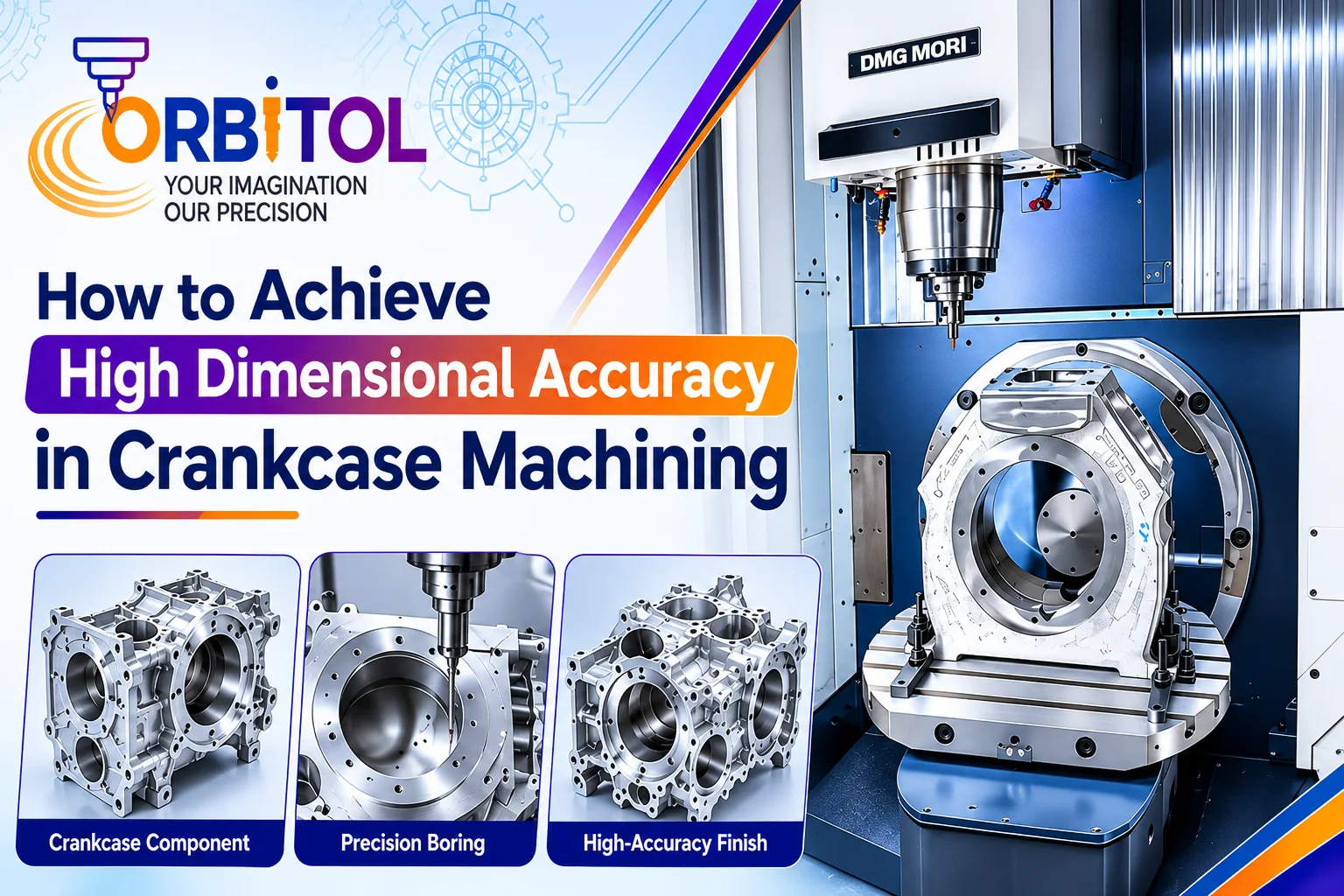
From CNC milling and turning to specialised operations such as crankcase machining, every process must be planned according to the component’s design and functional requirements. Consistent quality checks and controlled machining conditions help minimize errors and improve dimensional accuracy.
For automotive manufacturers in India, working with an experienced precision machining partner can make a meaningful difference in production quality and reliability. By adopting suitable machining technologies and effective manufacturing practices, companies can produce components that meet demanding industry requirements and support the performance of modern vehicles.
Looking for precision machining solutions for automotive components? Discuss your component requirements, technical drawings and manufacturing expectations with a suitable machining partner to identify the right approach for your project.