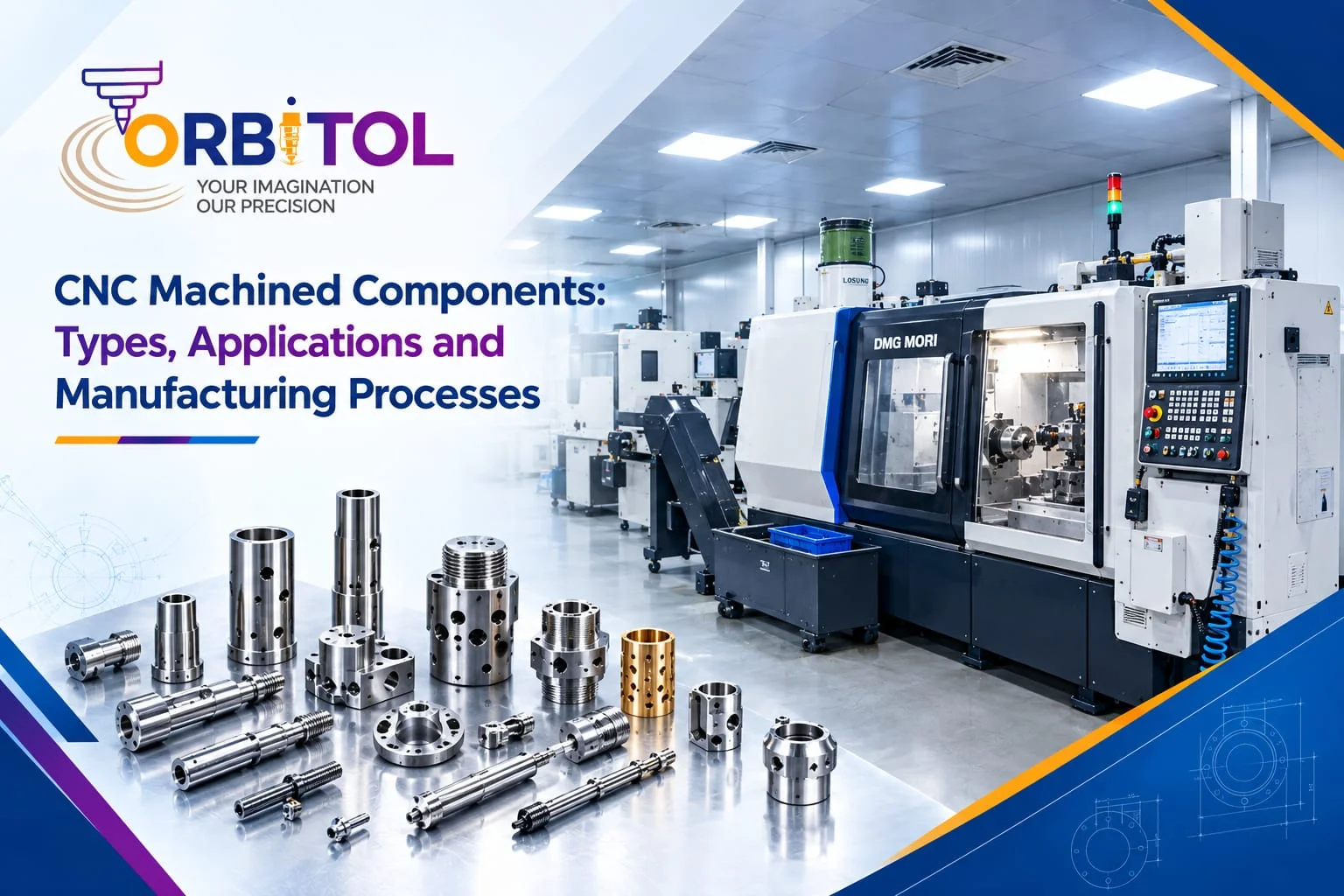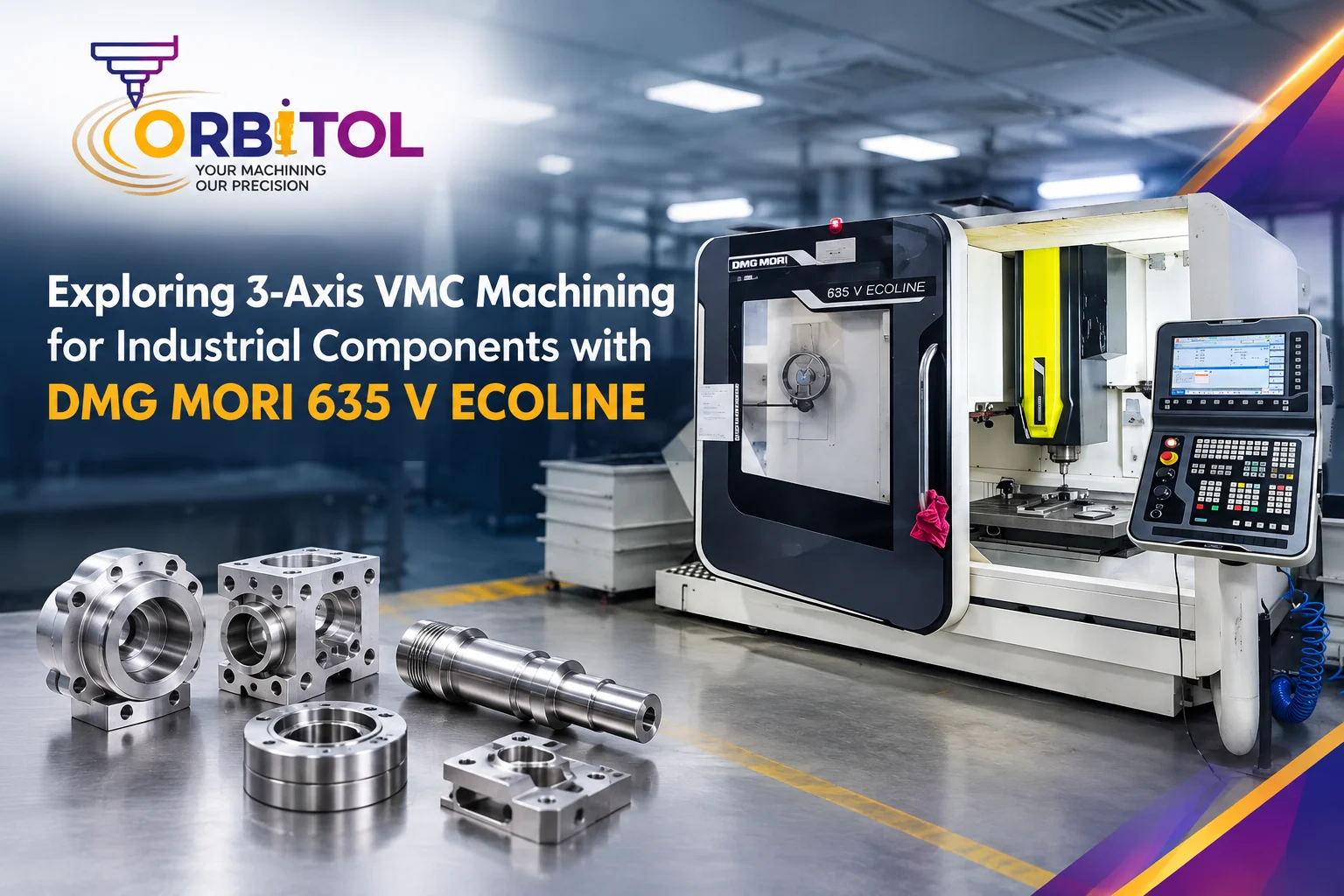
CNC machined components are precision-manufactured parts. Produced using computer-controlled machining equipment. They are widely used in automotive, aerospace, medical, electronics, and industrial machinery applications. Where accuracy and repeatability are essential. Depending on the design and production requirements, different types of CNC machined components. Can be manufactured through processes such as CNC milling, CNC turning, drilling, and multi-axis machining. These processes enable manufacturers to produce complex shapes, tight tolerances, and consistent surface finishes. This article explores the major types, applications, and manufacturing processes of CNC machined components, along. With the factors that influence their quality and performance.
Table of Contents
- Understanding CNC Machined Components and Their Importance
- Types of CNC Machined Components
- CNC Machining Process: From Design to Finished Component
- CNC Milling and Turning for Component Manufacturing
- Applications of CNC Machined Components Across Industries
- Choosing the Right CNC Machining Solution for Your Components
1. Understanding CNC Machined Components and Their Importance
The CNC machined components play a sizeable role in modern manufacturing as it allows the producers to manufacture parts. Having precise dimensions, identical shapes and repeatable operations. CNC computer numerical control is the technology. Which use programs to operate the machine moving the tools and taking the material out of the element being processed. The term CNC means Computer Numerical Control, which describes the process of sending signals to the machine. The tools to let them execute the necessary movements, thus cutting material.
When comparing CNC machining to manual machining, the biggest difference. That the instructions in the first case are given in a digital format. The processes of cutting, drilling, boring, milling, and turning are all conducted according to the program. Which machine you use mostly depends on the part. Cylindrical or rotational features usually point to turning. Pockets, slots, contours, holes and complex surfaces usually point to milling. Many parts need more than one operation before they’re finished.
As precision components become more popular, CNC machining. Has been expanding to such sectors as automotive industry, aerospace, medicine, electronics and heavy industry. It should be mentioned that it can be applied to various engineering materials, provided. That the specifications are adequate for the particular operation and part. For a manufacturer, the goal isn’t just to remove metal. The finished part has to match the geometry, dimensions and surface requirements on the drawing. That is why equipment, tooling and machining method need to be chosen with care.
2. Types of CNC Machined Components
CNC Machined Components come in all sizes, shapes and materials, and they serve very different functions. The machining method is normally chosen based on the part’s geometry and the features that need to be made.
Turned components
CNC turning typically starts with a round bar, billet, or any other feedstock material. Where the work piece rotates and the cutting tool removes material from its outer surface. Thus, turning is perfect for machining cylindrical objects.
Examples of CNC turning objects are shafts, pins, bushes, sleeves, spacers, threaded parts. Connectors, and precision fittings. Thanks to the type of configuration and tooling, it is possible to perform operations like facing, external turning, internal boring, grooving, and threading on a CNC turning machine. When accuracy of size is important and many similar pieces are required. Turning provides an efficient means for achieving that.
Milled components
The milling process involves the use of an active cutting tool. Whereby the tool travels against a stationary work piece. The CNC milling machine can be used to make features like shapes. Holes and uneven 3D features. Different parts manufactured by milling include frames, casings, sheets, mould part, jigs, machine components and others. The machining process may involve 3-5 axes depending on the machine for producing different forms. Multi-axis machining is necessary for parts. With multiple features on different surfaces. The number of axes needed for machining is determined by the design specifications and the manufacturing methods.
Complex and precision components
CNC Machined Parts are like those that have round and prismatic features. Or require different processes like turning, milling, drilling, tapping, boring or a combination of some procedures. It is important to carefully plan the way operations. Will go since the order of those processes influences accuracy. Work holding and general efficiency. Build the strategy around the drawing for that specific part. Don’t push every part through the same routine.
3. The CNC Machining Process, From Design to Finished Component
The CNC Machining Process starts before the part applications; it begins. When engineering drawings or CAD models contain all vital information, like dimensions, tolerances, material and features.
Design and process planning – The manufacturer studies the geometry and decides. Which operations are needed. That could be milling, turning, drilling, boring, threading, or a combination. Toolpaths. Once the approach is clear, CAM software can generate toolpaths. That define how the cutting tool moves around the work piece. Cutting tools, feeds, speeds, depth of cut and other parameters are picked to suit the material, geometry and operation.
Programming and verification – The program is then prepared for the specific machine control. Before production, it may be simulated to check tool movements and spot possible collisions. This step is especially useful on complex parts, where a wrong move. Can damage both the part and the machine.
Machine setup – Next comes setup. The raw material is secured with a suitable work holding method, the cutting tools. Are loaded, and coordinates and offsets are set. All of this has to line up with the drawing and the machining plan.
Machining – Now material is actually removed along the programmed toolpaths. Depending on the part, roughing takes off the bulk of the material first. And finishing then brings the part to final dimensions and surface requirements.
Inspection. The last stage is checking. Critical dimensions are measured. With suitable equipment to confirm the part meets specification. For repeat orders, process monitoring and regular inspection. Help keep batches consistent.
The main point- a good process links design, programming, setup. Tooling and inspection together. These stages work best. When they’re planned as one chain and not treated as separate jobs.
4. CNC Milling and Turning for Component Manufacturing
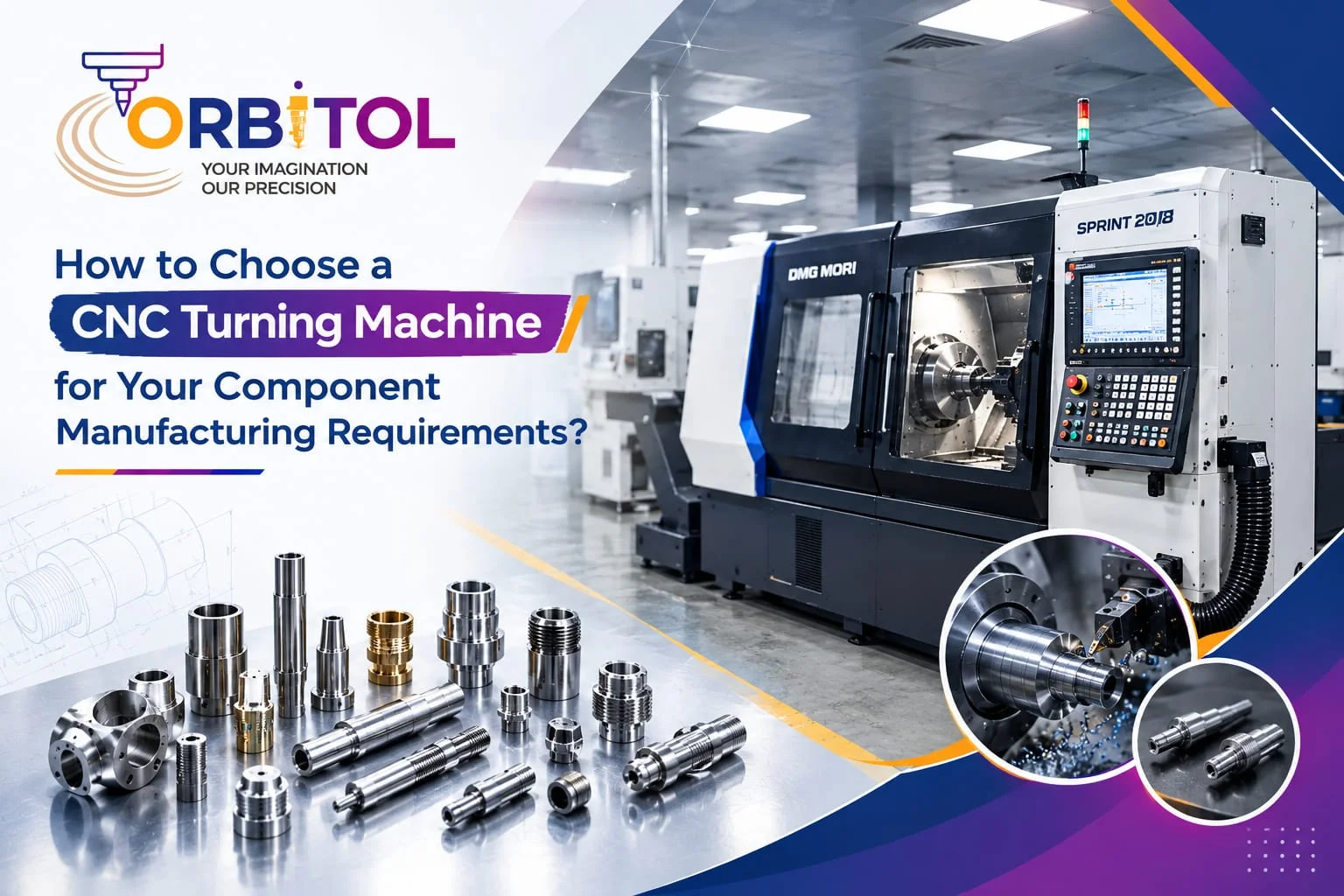
Milling and turning are the two most common methods in CNC component manufacturing. Both are computer-controlled, but the way they work. Where they fit best, is different. A CNC Milling Machine generally keeps the Component fixed. While a rotating tool moves across it. That makes it a good choice for flat surfaces, pockets, slots, holes, contours and other non-rotational features.
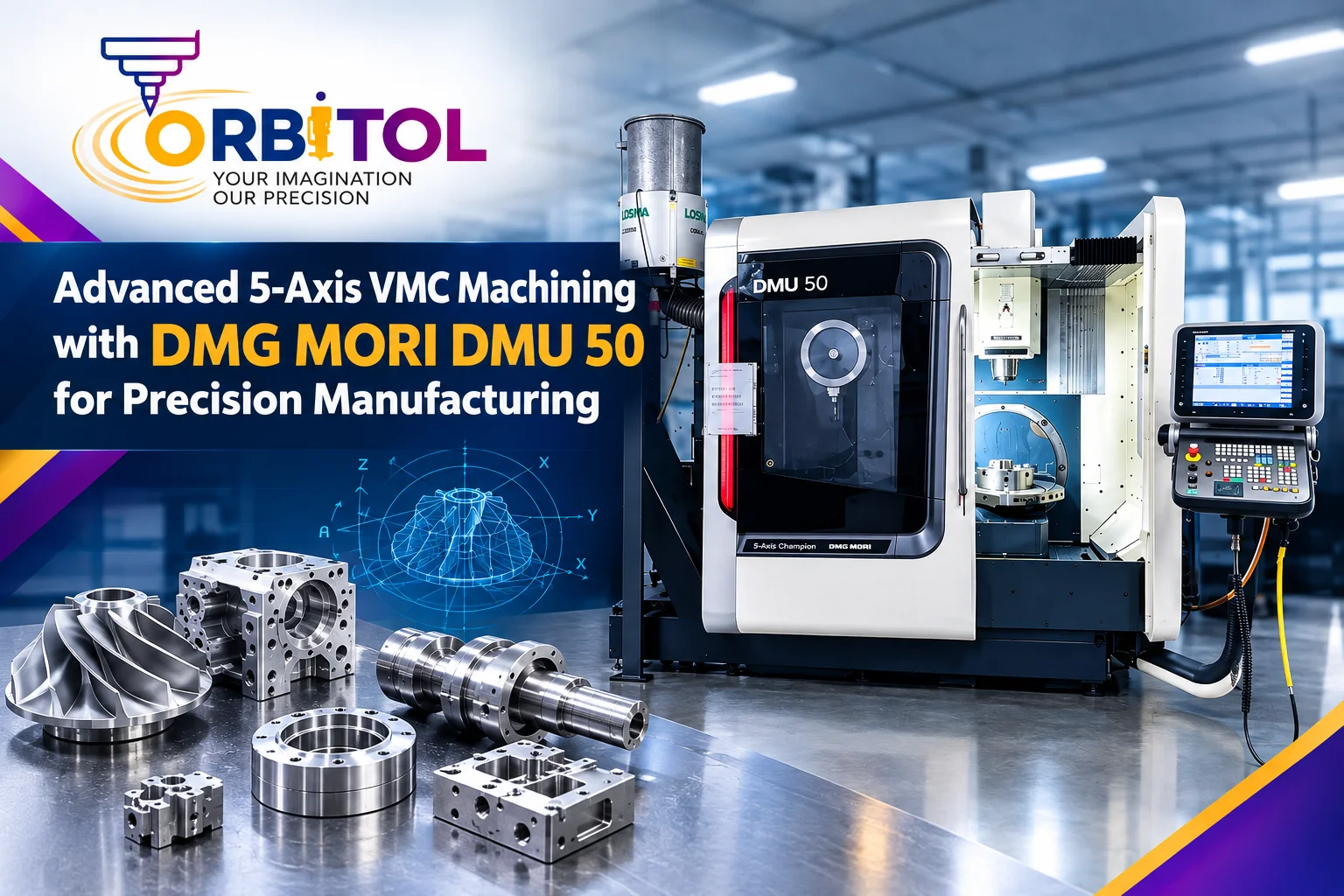
Milling machines come in different configurations. A 3-axis machine handles many standard parts. Extra axes give access to more surfaces and more complex geometry, and 5-axis machining. Can help with intricate parts. Where the tool has to approach from several directions. A CNC Turning Machine does the opposite. The Component rotates and the tool removes material. Form cylindrical or rotational features. Shafts, pins, bushes, sleeves and other revolved profiles. Are where turning works best.
Some parts need both. A common example is a component. That’s turned first to create its round profile and then milled to add slots or flats. Depending on the machine and the part. Mill-turn machines or a multi-machine process can be considered.
So don’t pick a method by habit. So, do not select a method by its popularity. It is advisable to first define the geometry of the part and then get acquainted. With the material, tolerance, quantity, complexity of features and type of surface finish. That need to be applied. With regards to Precision CNC Machining, it is the utmost in combining machine capabilities. With tools used, processes and inspection systems used, and thus ensuring. That the parts produced meet the necessary requirements.
5. Applications of CNC Machined Components Across Industries
CNC machining is flexible, so CNC Machined Components turn up in a wide range of industries. Each sector has its own requirements, but accuracy, repeatability and controlled manufacturing are common to all of them.
Automotive
Automotive manufacturing uses plenty of precision parts. Shafts, brackets, housings, bushes, pins, fittings and other mechanical components. Turning suits many of the rotational parts. While milling handles complex housings, brackets and machined surfaces. Volumes can range from prototypes to recurring batches. The machining process. Should be chosen based on the drawing. The material and the quantity.
Aerospace
Aerospace parts can involve complex geometry. Specialised materials and demanding dimensional requirements. CNC milling and turning. Are used for structural components, mechanical parts. Fittings and other engineered applications. For complex shapes, multi-axis machining. Can reach several surfaces and. Where the machine supports it, reduce the number of repeated setups.
Medical and healthcare equipment
Medical equipment can involve small precision components. Instruments, housings and specialised mechanical parts. These often need controlled dimensions and careful material selection. The process has to be built around each components. Requirements, including material specification, tolerances, surface needs and inspection procedures.
Industrial machinery
Machinery depends on CNC Machined Parts for many mechanical functions. Shafts, couplings, brackets, housings, fixtures and custom components. Can all be made by turning and milling. CNC machining is especially handy. When you need repeatable parts for assemblies. Or replacement parts with defined dimensions.
Electronics and other engineering uses
Electronic and electrical equipment can also need CNC-machined. Housings, mounting components, heat-management parts. And mechanical interfaces. Depending on the material. Design, milling or turning produces the required features.
This wide range comes down to flexibility. The same core technology adapts to different. Materials, geometries and volumes by changing the tooling. Programming and machine configuration.
6. Choosing the Right CNC Machining Solution for Your Components
The best starting point is the component itself. Before deciding between a CNC Milling Machine. A CNC Turning Machine or any other setup. Go through the drawing, material, dimensions. Tolerance requirements and production quantity. Geometry usually comes first. Round or rotational parts generally suit turning. Parts with pockets, slots, contours and several flat faces may need milling. More complex parts might need multi-axis machining or a combination of processes.
Material shapes the strategy too. On the other hand, the strategy. That is used to apply the CNC Processing. Depends on the technology. That is required; aluminum, mild steel, stainless steel, brass and other engineering materials require different types of treatments. Which necessitate the selection of cutting tools and parameters used. Think of Precision CNC Machining as a complete manufacturing. Approach and not just a line on a machine spec sheet. Volume counts as well. A prototype or low-volume part may need a different setup. From a recurring production part. Tooling arrangements, setup time, machine capacity and programming. Effort all influence the overall approach.
At Orbitol Intelligence
Our CNC and VMC machining capabilities support a range. Of precision component requirements. Our work covers CNC machining, VMC machining. Swiss-type machining, mould and die manufacturing. Tool room requirements and precision components.
We look at each requirement based on geometry, material. Machining operations and the precision needed. The focused methodology of component selection provides insight. Whether milling, turning, Swiss machining, or any combination of procedures. Would be the most effective for specific applications. If one seeks for CNC machined parts. With a guarantee of quality. Then one must realize that the choice of a business partner in machining. Will obviously be determined by factors. That are more complex than just. That of availability of equipment. The aspects of production engineering and toolmaking, programming, inspection, and communication. Are equally important for a successful outcome of the endeavor.
Conclusion
CNC Machined Components are used so widely because CNC technology. Is a flexible, controlled way to make parts. With defined dimensions and complex features. The method can be applied to designs ranging. From turned shafts and bushes to milled bodies and even precision engineering parts. Thus, it is very important to be aware of the differences. Between milling and turning, organize the CNC machining process properly. As well as choose the tools and inspection methods wisely.
With CNC and VMC machining, Swiss-type machining, mould and die manufacturing and precision component capabilities. Orbitol Intelligence supports manufacturers looking for component-specific machining solutions. To learn more about our precision machining and manufacturing capabilities, visit orbitol.in.