3-Axis VMC Machining plays an important role in manufacturing accurate and consistent industrial components. From precision-machined parts to mould and die components. A reliable machining process helps maintain dimensional accuracy and surface finish. At Orbitol Intelligence, the DMG MORI 635 V ECOLINE supports precision machining through controlled material removal and efficient milling operations. Its 3-axis machining capabilities help manufacture industrial components according to specific engineering. Requirements, supporting consistent quality and dependable manufacturing performance.
Table of Contents
1. Understanding 3-Axis VMC Machining for Industrial Components
2. DMG MORI 635 V ECOLINE and Its Role in Precision Machining
3. Industrial Components Manufactured Through 3-Axis VMC Machining
4. How 3-Axis VMC Machining Supports High Precision Machining
5. Factors Affecting Quality and Accuracy in VMC Machining
6. Orbitol Intelligence: Precision VMC Machining for Industrial Requirements
7. Conclusion
1. Understanding 3-Axis VMC Machining for Industrial Components
Industrial manufacturing requires components. With accurate dimensions, consistent surface quality and dependable performance. From automotive parts to mould and die components. Every machined surface and hole must meet the specified engineering requirements. 3-Axis VMC Machining plays an important role in achieving these requirements. By combining controlled cutting operations. With computer numerical control (CNC) technology.
A computer-based machine known as the 3-axis VMC is in use today! The movement happens along three linear axes – these being X, Y and Z. With this arrangement, you will be able to perform milling. As well as drilling, slotting, facing and other machining operations on different components. Which are secured to the VMC table. The X and Y axes control the horizontal movements of the machine. While the Z-axis directs the vertical movements of the cutting tool concerning the work piece. However, the final accuracy depends on the machine condition. Work piece material, tooling, work holding and inspection process.
2. DMG MORI 635 V ECOLINE and Its Role in Precision Machining
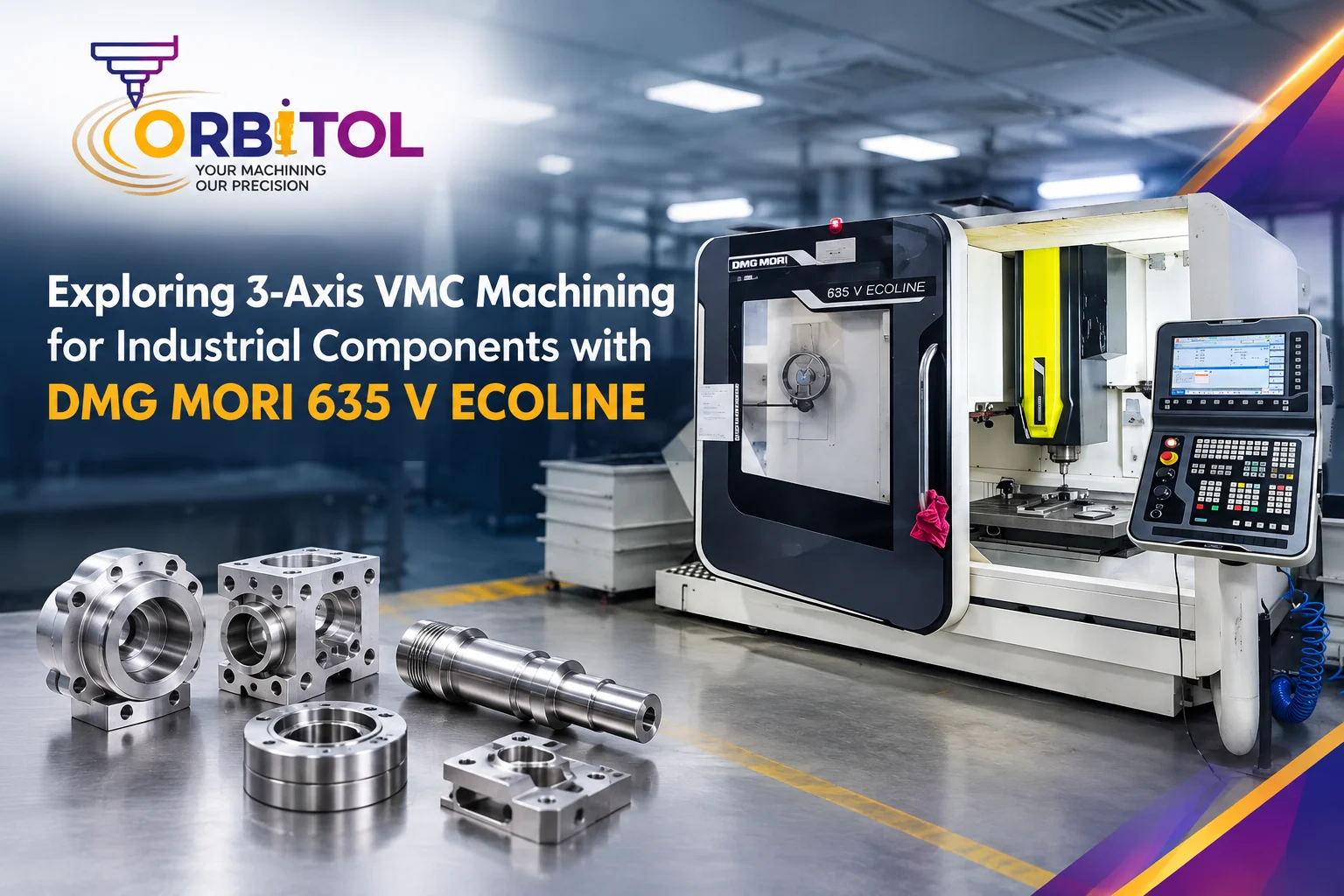
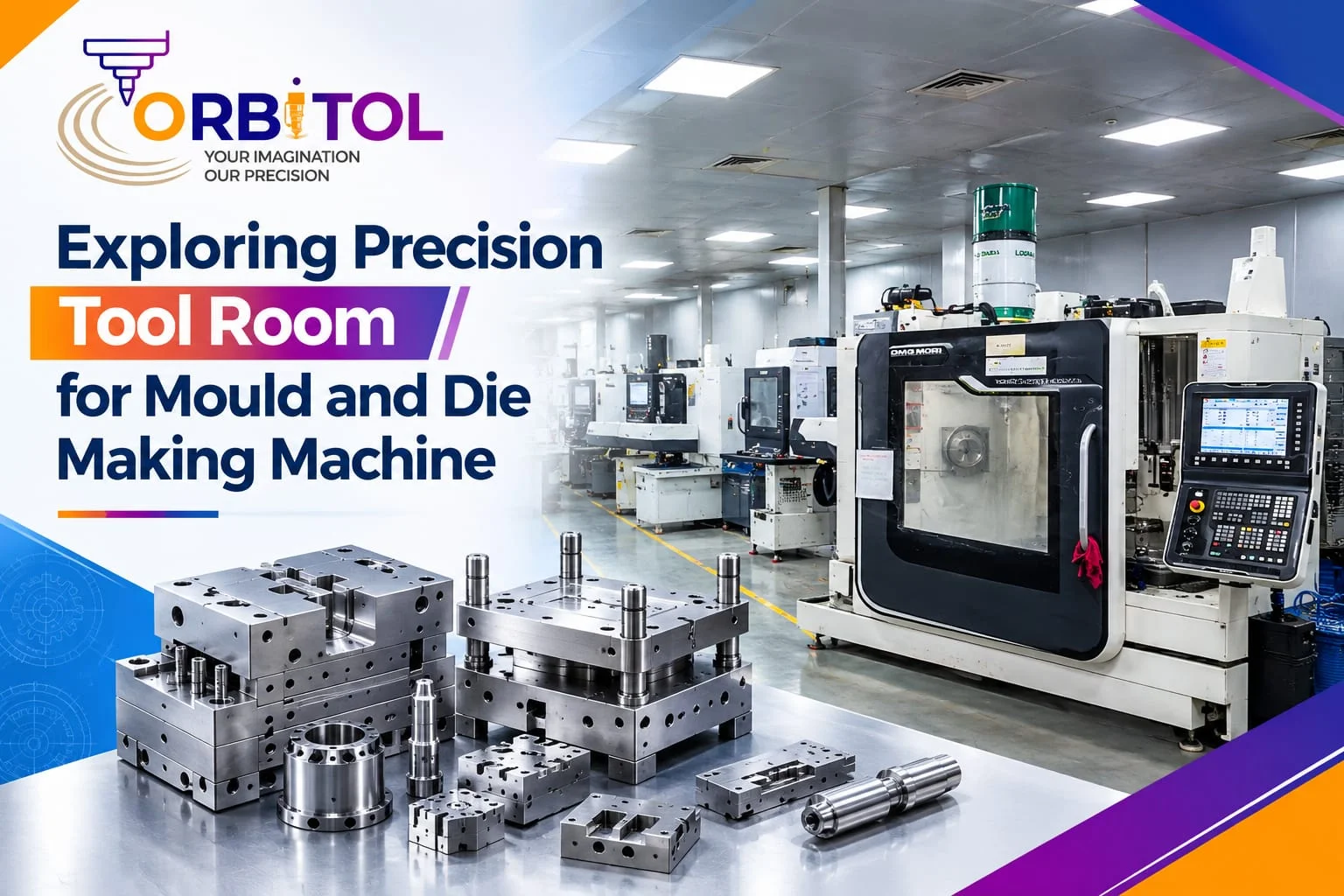
The DMG MORI 635 V ECOLINE is a 3-axis Vertical Machining Center used for machining industrial components. That require controlled cutting operations and accurate dimensional features. Its role in industrial manufacturing is closely connected to the requirements. Of component geometry, material removal, surface quality and repeatable machining.
A vertical machining arrangement is particularly useful. When components require milling on accessible faces, accurately located holes, slots, profiles and machined pockets. With the correct CNC program and machining setup, multiple features. Can be produced in a controlled sequence. While maintaining their specified relationship.
Controlled machining for industrial applications
The DMG MORI 635 V ECOLINE supports machining operations. Which the cutting tool follows programmed paths along the three linear axes. The machining program defines tool movement, cutting sequence and operating parameters according to the engineering drawing and material requirements. This controlled process helps reduce variation caused by manual machining and supports repeatability during production. For components with multiple machined features, consistent work piece positioning and a suitable machining sequence are important. For maintaining dimensional relationships.
The machine can be used for various machine milling and drilling operations. Such as face milling, pocket milling, contour milling, drilling, etc. The operation to be used depends on the parameters. Such as the shape of the component, type of cutting tool, properties of the work piece, and how the entire process is set up.
Supporting consistent production quality
In industrial manufacturing, producing one accurate component is only part of the requirement. Manufacturers must also maintain consistency when machining multiple parts to the same drawing. A properly programmed 3 axis VMC machine helps establish repeatable tool paths and machining sequences. When combined with appropriate work holding, tool condition monitoring and dimensional inspection. This supports consistent component quality throughout a production batch.
The DMG MORI 635 V ECOLINE is therefore relevant to machining requirements. Where three-axis movement provides the access needed to produce the specified features. Components with complex undercuts or angled surfaces requiring additional rotational axes. May need a different machining arrangement or supplementary operations.
3. Industrial Components Manufactured Through 3-Axis VMC Machining
Industrial components vary in shape, material, size and functional requirements. A Vertical Machining Center provides flexibility for manufacturing many components. That require accurately machined surfaces, holes, slots and profiles.
The suitability of a 3 axis VMC machine depends on whether the required features can be reached. Through the available linear movements and work piece orientations. For many conventional industrial components. Three-axis machining provides the necessary flexibility for producing functional and accurately dimensioned parts.
Mould and die components
Mould and die manufacturing requires accurately machined cavities, profiles, pockets and mounting surfaces. Even small dimensional variations. Can affect the fit, alignment and functional performance of the finished tooling. 3-Axis VMC Machining is used for machining accessible mould and die features. Including flat surfaces, stepped profiles, pockets and drilled holes. Proper tool selection and machining sequences help maintain the required geometry. While controlling surface finish.
A Vertical Milling Center is particularly useful. When producing mould bases, die plates, mounting blocks and other tooling components. With predominantly accessible surfaces. For more complex cavity geometries, the machining strategy. May involve multiple setups, specialised cutters or additional machining processes. Depending on the drawing requirements.
Automotive and industrial machinery components
Automotive manufacturing and industrial machinery depend on components. With accurately positioned holes, mounting faces and functional surfaces. These features influence assembly alignment, fastening and the relationship between interconnected parts. A 3 axis VMC machine can be used for machining suitable brackets, mounting plates, housings, support blocks and machine components. CNC-controlled movements help maintain programmed dimensions and repeat machining sequences for similar parts.
For production batches, standardized work holding and established machining programs. Can help reduce setup variation and improve manufacturing consistency.
Precision engineering and custom components
Precision engineering involves producing components. According to specific drawings, tolerances and material requirements. The manufacturing design may indicate the presence of features such as slots and grooves, stepped surfaces and undercuts. Which all have a functional significance.
Precision machining does not mean mere use of machines but requires consideration of the entire process. Material quality, cutting conditions, level of tool wear, clamping of the work piece. As well as temperature influence final sizes. A suitable Vertical Machining Center setup allows manufacturers to control. These variables and produce components according to the specified requirements.
At Orbitol Intelligence, VMC machining applications are relevant to industrial components, tooling and precision engineering requirements. Where accurate machining and repeatable production are essential.
4. How 3-Axis VMC Machining Supports High Precision Machining
High Precision Machining involves maintaining component dimensions, geometric relationships and surface characteristics. Within specified engineering limits. For industrial components, precision is important not only for the individual part but also for its compatibility. With other components during assembly.
A 3 axis VMC machine supports this process through programmed tool movement, controlled cutting operations and repeatable machining sequences.
Dimensional accuracy and repeatability
Dimensional accuracy indicates how closely the completed part corresponds to its planned dimensions. Repeatability signifies accuracy of machining process under similar conditions.
VMC programming controls the tools motion and machining process, minimizing errors inherent in manual work. However, dimensional accuracy. Will be dependent on machinery calibration, state of tools, cutting power and work piece stability. Dimensional accuracy indicates that the finished part meets requested size. Whereas repeatability indicates machining process’s accuracy.
A consistent setup helps maintain the relationship between different features and reduces positioning errors between operations.
Surface finish and controlled material removal
Surface finish affects the functional performance, appearance and assembly characteristics of many industrial components. Rough or inconsistent surfaces may create fitting problems or require additional finishing operations. In 3-Axis VMC Machining, surface quality is influenced by cutting speed, feed rate, tool geometry, tool condition and material properties. We can control them by using proper cutting parameters and avoid unnecessary tool marks.
The roughing process is used mainly for eliminating large amounts of unwanted material. While the finishing process provides the desired measurements and surface properties. In order to avoid unnecessary cutting and increase the tool wear process. It is vital to select the correct machining order.
Production consistency and process control
For manufacturers handling repeated orders, consistent machining is essential. A standardized VMC program, reliable work holding and defined inspection procedures help maintain uniformity across production batches. The machining process should include suitable checks at important stages. First-piece inspection helps verify the setup and program, while in-process measurements can identify deviations before they affect additional components.
This combination of programming, process control and inspection enables a Vertical Machining Center to support industrial production requirements while maintaining attention to drawing specifications.
5. Factors Affecting Quality and Accuracy in VMC Machining
There are several interconnected characteristics that all influence the efficiency of any machining operation. Even an excellent machine cannot produce components that fulfill the requirements of the task without a suitable setup, correct tools, and optimum conditions of use.
Component Material and cutting tools
Machining performance of different materials varies widely. Aluminum, low carbon steel, stainless steel and other alloy steels differ from each other with respect to their machinability, hardness and heat generation characteristics. Choosing the right cutting tool and machining conditions ensures the control of tool wear, cutting forces and surface quality. Tool geometry and coating, cutting speed and feed should be suitable for the Component material and the operation being performed.
Use of wrong tools results in excessive wear, bad finish and incorrect dimensions. Continuous checking of the tool condition and timely tool replacement is important to enable consistent machining.
Component and machine setup
The Component devices are responsible for the stability and precision of the Component which is being machined. If the clamp is weakly tightened, the component will be unstable and vibrate, thus influencing the accuracy of machining. The component should be placed according to the blueprint datum and machining process plan. For components requiring machining on several faces, correct repositioning and datum control are important for maintaining alignment between features.
CNC programming and inspection
The machining program must reflect the component drawing, selected cutting tools and required machining sequence. Incorrect tool offsets, work coordinates or program settings can result in dimensional errors or machining defects. Inspection verifies whether the finished component meets its specified requirements. Depending on the drawing, this may involve measuring dimensions, checking hole positions, verifying flatness or examining surface finish.
A structured inspection process helps identify deviations, supports corrective action and improves consistency in subsequent production runs.
6. Orbitol Intelligence, Precision VMC Machining for Industrial Requirements
Orbitol Intelligence provides machining and tool room-related solutions for industrial manufacturing requirements, including VMC machining, precision components, mould and die work and specialised machining applications.
The DMG MORI 635 V ECOLINE supports Orbitol 3-Axis VMC Machining applications for suitable industrial components that require controlled milling operations, accurate feature positioning and consistent manufacturing quality. By selecting machining operations according to component geometry and engineering specifications, Orbitol Intelligence focuses on producing components that meet the defined requirements of each project.
Machining solutions for different component requirements
Industrial projects may involve different materials, component designs, tolerances and production quantities. The machining process must be selected according to the actual requirements rather than applying the same approach to every component. For suitable parts, a Vertical Machining Center can perform multiple operations through a planned sequence, helping reduce unnecessary handling and maintain dimensional relationships. Tool selection and inspection are considered important parts of achieving the specified result.
Orbitol Intelligence also works across related manufacturing areas, including mould and die manufacturing, Swiss-type machining, tool room operations and precision components. These capabilities support different industrial requirements, with the appropriate machining process selected according to the component design.
For customers seeking a VMC Machine Manufacturer or machining partner, it is important to distinguish between machine manufacturing, machine supply and component machining services. The required service should be confirmed based on the project’s specifications and manufacturing needs. Through its machining capabilities and equipment, Orbitol Intelligence supports industrial component manufacturing where controlled machining, drawing-based production and quality-focused processes are essential.
7. Conclusion
3-Axis VMC Machining remains an important manufacturing process for industrial components that require accurate surfaces, positioned holes, pockets, slots and machined profiles. A 3 axis VMC machine combines CNC-controlled movement with suitable cutting tools and work holding to produce components according to defined engineering specifications. The DMG MORI 635 V ECOLINE supports these requirements through its role as a 3-axis Vertical Machining Center for suitable industrial machining applications. The use of work holding devices in molding and die works, components of industrial machines, and precision engineering depends on the design of the machine part, the setup of the machining process, and tolerances that should be achieved.
Orbitol Intelligence brings together VMC machining and related precision manufacturing capabilities to address industrial component requirements. By focusing on suitable machining processes and engineering specifications, the company supports manufacturing applications where dimensional consistency, surface quality and reliable component production matter.