Introduction
These days,Tool Room operations matter more than ever because making things demands sharp accuracy. Not just cars or planes, but gadgets and molded goods too depend on what happens inside these spaces. What sets them apart is how they blend exactness with fresh methods. Instead of falling behind, many shops stay ahead by refining their approach constantly. Precision parts start in the Tool Room before anything else moves forward.
Nowadays, a Tool Room does more than fix machines. Inside these spaces, precision takes new shape through 5-Axis Machining instead of old methods. Think CNC Milling at work, quietly shaping complex parts. Die and Mold Manufacturing happens here too, now faster because systems adapt on their own. Automated Tool Management handles tools, tracking each one without someone watching. Because of this shift, production runs smoother. Tool Room Machines stop less often when smart setups take over. Quality climbs as technology removes guesswork from every step of the Tool Room process.
Right where things begin in any high-level Tool Room sits Mould Design – this shapes how well everything runs. When that setup misses the mark, top-tier Tool Room Machines still fall short, no matter their power.
What is a Tool Room?
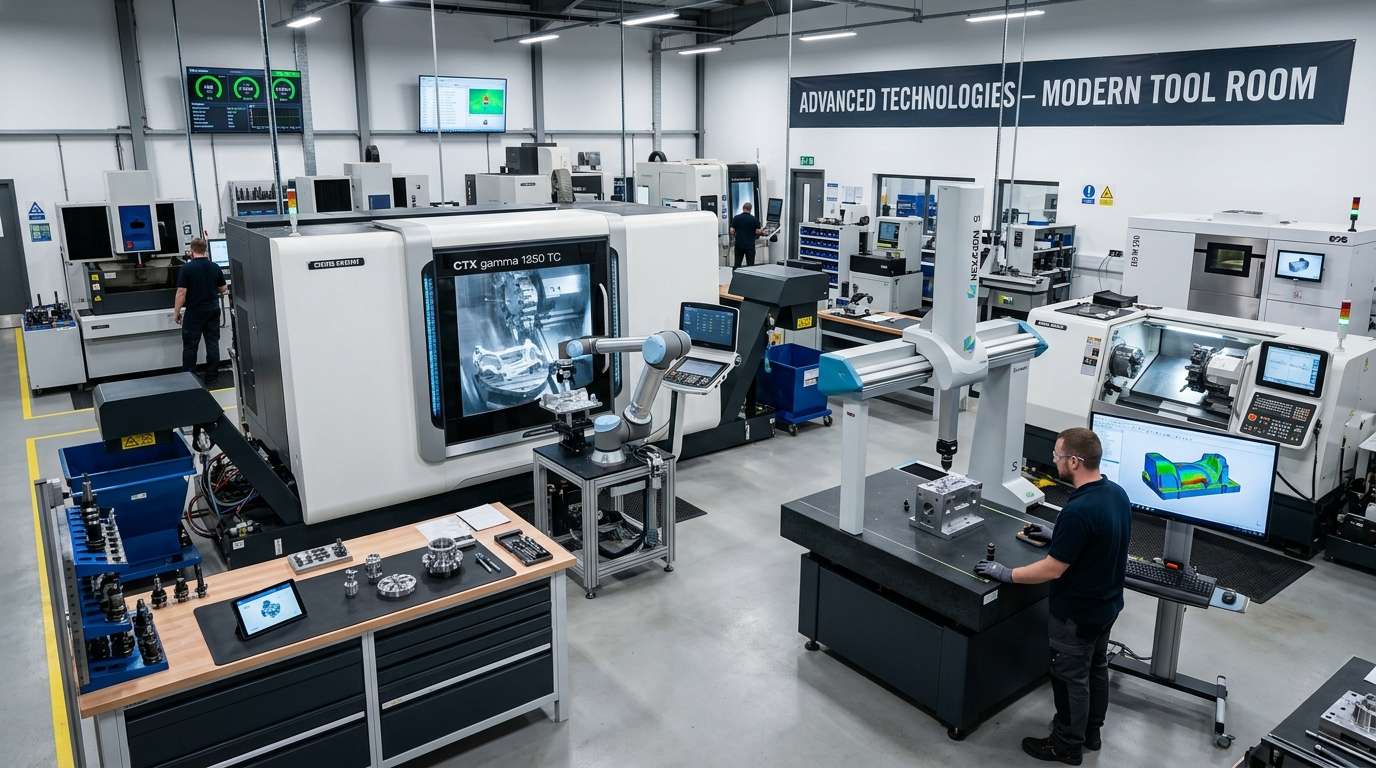
Inside sits a collection of exacting Tool Room Machines built for crafting parts that shape how things are made. These spaces fix, build, hold, or adjust devices guiding industrial workflows. Precision lives in the Tool Room because production depends on it. What happens in one Tool Room affects entire assembly lines far beyond its walls.
Tool Room environments today have advanced equipment:
- Advanced CNC Milling machines
- High-speed machining systems
- Precision grinding machines
- Spark erosion tools
- Automated Tool Management systems
With these Tool Room Machines, precision stays sharp across every production run. What you get in the Tool Room is steady output, no guesswork involved. Each part matches the last, thanks to tight control built into Tool Room operations.
The Role of Mould Design in a Modern Tool Room
Shape ideas start where tools are built in the Tool Room. A Mould Design blueprint shapes how things look, work, and close up. When plastic gets squeezed into form, or car bits take shape, even tiny electronics – that Mould Design plan decides speed and strength. What it does hides inside each finished piece. How long something lasts links back to early Mould Design sketches, lines drawn quiet on paper.
Modern Tool Room methods in Mould Design:
- 3D CAD modeling for accurate Mould Design visualization
- Tools that run models to spot flaws before they happen
- Flow analysis for material optimization in Mould Design
- Rapid prototyping using 3D printing in the Tool Room
Starting off strong, a thought-out Mould Design cuts down mistakes during making. It trims wasted hours along the way in the Tool Room too. Efficiency in the Tool Room climbs as a result of superior Mould Design.
Key Advanced Technologies in Modern Tool Room
1. 5-Axis Machining What stands out in today’s Tool Room? 5-Axis Machining reshapes how parts are made. Movement happens at once along five directions, not just one or two. This shifts everything in the Tool Room compared to older methods.
Better Precision With 5-Axis Machining:
- Ability to create highly complex geometries in the Tool Room
- Reduced setup time for Tool Room Machines
- Improved surface finish via 5-Axis Machining
- Increased accuracy in Die and Mold Manufacturing
When shaping intricate molds, 5-Axis Machining often appears inside the Tool Room. Complex Die and Mold Manufacturing work tends to rely on this method quite heavily. Instead of simpler tools, manufacturers choose it for detailed geometry. Precision in the Tool Room becomes easier when movement spans five directions. Tasks once difficult now finish faster because of 5-Axis Machining flexibility. Molds gain accuracy since the machine adjusts angles mid-process. Detailing sharp corners usually goes smoother than before in the Tool Room.
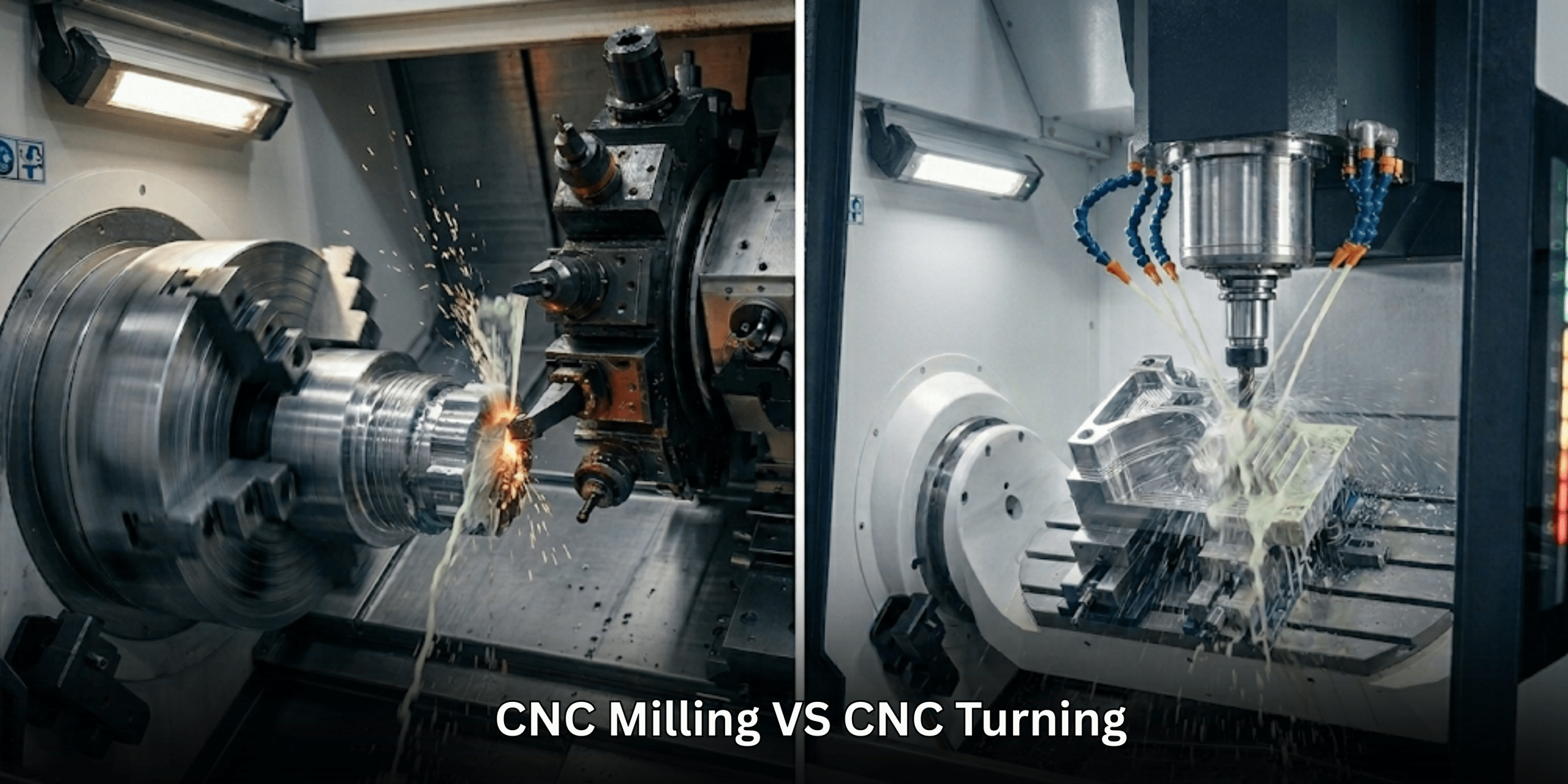
2. CNC Milling Precision takes shape when Tool Room Machines follow digital commands, carving parts step by step. One wrong move gets corrected before it happens, thanks to built-in intelligence in CNC Milling watching each motion.
Benefits of CNC Milling:
- High repeatability and consistency in the Tool Room
- Reduced manual errors during CNC Milling
- Capability to produce complex shapes for Mould Design
- Integration of Tool Room Machines with CAD/CAM systems
Cutting metal takes skill – Tool Room Machines guided by computers handle it well. These CNC Milling tools shape molds fast without mistakes. Making dies means fitting parts exactly, which these Tool Room devices do reliably. Precision lives in every groove CNC Milling carves.
3. Die and Mold Manufacturing Molds take shape inside the Tool Room, where metal gets pressed or poured into exact designs. These spaces build the tools for Die and Mold Manufacturing that stamp, form, or cast parts with precision. Dies emerge here too, carved slowly through careful CNC Milling. Each piece must fit perfectly, shaped by skilled hands in the Tool Room using tight tolerances. The process starts blank but ends sharp – defined by detail in Die and Mold Manufacturing.
Die and Mold Manufacturing advances with new technology:
- CAD/CAM integration in the Tool Room
- High-speed machining for Die and Mold Manufacturing
- Advanced material usage in Tool Room Machines
- Simulation-based validation for Mould Design
When tools work well, Die and Mold Manufacturing hits targets without waste. Precision lives in the Tool Room where equipment runs sharp, smooth, steady. Quality shows up when every piece fits just right. Tool Room Machines tuned tight help shops move fast but spend less. Output in Die and Mold Manufacturing climbs once hiccups fade in setup and operation.
4. Automated Tool Management Fresh off today’s factory floors, smart Automated Tool Management keeps everything moving without hiccups. Tool Room Machines know what they need before workers do, thanks to live updates. Tools find their way back on their own almost, guided by Automated Tool Management sensors instead of guesswork. Efficiency in the Tool Room jumps when nobody has to search for missing pieces mid-job. Time saves pile up quietly behind the scenes of Die and Mold Manufacturing.
Key features of Automated Tool Management:
- Real-time tool tracking in the Tool Room
- Inventory management for Tool Room Machines
- Tool life monitoring via Automated Tool Management
- Reduced machine downtime in the Tool Room
When tools are managed automatically, Tool Room machine work speeds up. Because of this Automated Tool Management setup, Mould Design flows better. Workflow gets steadier during CNC Milling tasks. Efficiency in the Tool Room rises without extra effort. Things move on time when Automated Tool Management systems handle tool choices.
5. CAD/CAM Integration Once separate, CAD and CAM now shape how the Tool Room operates. Their link transformed old Tool Room Machines into something faster. Where Mould Design ends, Die and Mold Manufacturing begins without pause. One feeds the next, quietly. This shift in the Tool Room simply changed everything behind the scenes.
Applications in the Tool Room:
- Digital Mould Design creation
- Tool path generation for CNC Milling
- Error detection and simulation for Tool Room Machines
- Faster product development cycles in the Tool Room
A single link connects Mould Design to production through CAD/CAM tools inside the Tool Room. Communication flows without breaks because of how these Tool Room Machines work together. One process follows another, guided by digital precision. The path from idea to part in Die and Mold Manufacturing stays clear and steady. Machines respond exactly when Mould Design plans shift. This setup keeps timing tight across every stage of the Tool Room.
6. EDM (Electrical Discharge Machining) Tool Room tasks often rely on EDM, which skips conventional methods entirely. Instead of CNC Milling cutting tools, it shapes materials using electrical sparks – making precision easier in the Tool Room without physical contact slowing things down.
Types of EDM in the Tool Room:
- Wire EDM for Die and Mold Manufacturing
- Die-sinking EDM for complex Mould Design
When regular Tool Room Machines can’t cut it, EDM steps in – especially for detailed Mould Design work and complex Die and Mold Manufacturing designs. Precision takes over where old-school CNC Milling falls short, handling tight corners and fine details without hesitation. Shapes that seem impossible? That’s where this Tool Room method shines.
7. High-Speed Machining (HSM) Fast cutting methods now appear in today’s Tool Room workshops. A different high-tech approach shapes how Tool Room Machines work nearby.
Benefits in the Tool Room:
- Faster material removal for Die and Mold Manufacturing
- Improved surface quality for Mould Design
- Reduced thermal distortion in Tool Room Machines
- Increased productivity across the Tool Room
Starting off strong, Tool Room Machines with high speed machining handle tight tolerances well. These setups shine when shaping intricate parts meant for Mould Design. Instead of slow CNC Milling, they move fast yet stay accurate. Precision in the Tool Room comes naturally during detailed work. Complex shapes in Die and Mold Manufacturing take form without extra steps. 5-Axis Machining speed plus control makes tough jobs easier in the Tool Room. Accuracy stays high even under demand.
8. Robotics and Automation Out there, Tool Room Machines run tasks once handled by people. Inside today’s Tool Room workshops, robots take on jobs that never saw wires before.
Applications in the Tool Room:
- Automated material handling for Die and Mold Manufacturing
- Tool changing systems for CNC Milling
- Inspection and quality control in the Tool Room
- Assembly operations using Tool Room Machines
Fewer hands touch the work when Tool Room Machines run tasks on their own. Efficiency in the Tool Room climbs because pauses shrink between steps. Mistakes in Die and Mold Manufacturing fade as routines stay consistent. The Tool Room hums without constant oversight. Precision grows under steady electronic control.
9. 3D Printing and Rapid Prototyping 3D printing has become an important technology in modern Tool Room operations.
Better Shapes in Mould Design:
- Rapid prototyping in the Tool Room
- Cost reduction for Die and Mold Manufacturing
- Faster testing and validation of Mould Design
- Design flexibility for Tool Room Machines
With 3D printing, Tool Room experts test Mould Design first. Before full runs begin, they rely on printed models. These versions show how parts fit together. Instead of guessing in the Tool Room, they hold prototypes in hand. Through this step, Mould Design errors surface early. Because of accurate builds, adjustments to Tool Room Machines happen fast. After checks clear, Die and Mold Manufacturing moves forward. Using real shapes in the Tool Room helps avoid costly mistakes later.
10. Industry 4.0 and Smart Tool Room Nowadays Tool Room Machines talk to each other inside walls once filled only with hammers and lathes. A quiet shift happened in the Tool Room while nobody was watching closely.
Features of a Smart Tool Room:
- IoT-enabled Tool Room Machines
- Real-time monitoring systems in the Tool Room
- Data-driven decision making for Die and Mold Manufacturing
- Predictive maintenance for CNC Milling tools
Through Automated Tool Management, Tool Room operations cut waste while boosting output. Efficiency rises when access to Tool Room Machines is streamlined without extra spending.
Types of Tool Room Machines
A Modern Tool Room With Advanced Machines:
- CNC Milling machines
- Grinding machines
- EDM machines
- Drilling machines
- Lathe machines
- Laser cutting machines
A single Tool Room machine can handle precise tasks needed in Mould Design work. Quality outcomes in Die and Mold Manufacturing depend on how well each die component gets shaped during Tool Room production steps.
Challenges in Modern Tool Room Operations
Tool Room Challenges Despite Advancements:
- High initial investment cost for Tool Room Machines
- Need for skilled workforce in 5-Axis Machining
- Maintenance of advanced Tool Room Machines
- Integration of new technologies into Mould Design
- Managing Automated Tool Management systems
Facing down these hurdles matters if the full power of today’s Tool Room is to be used for Die and Mold Manufacturing.
Future Trends in Tool Room Technology
Emerging tech is quietly reshaping what comes next for the Tool Room. A shift unfolds, driven by new Tool Room Machines blending into daily work. Progress shows up in steady changes behind the scenes of Mould Design.
Key trends include:
- Artificial Intelligence in Mould Design
- Fully automated Tool Room environments
- Digital twin technology for Tool Room Machines
- Cloud-based manufacturing systems in the Tool Room
- Advanced robotics and 5-Axis Machining learning
Fresh ideas are changing the way Tool Room Machines work. Ways of doing things in the Tool Room shift when new methods arrive. Mould Design styles evolve without warning. Die and Mold Manufacturing behavior transforms through subtle updates.
Conclusion
Out here, Tool Room operations look nothing like they did before – tech upgrades changed everything. Tool Room Machines now move five ways at once, boosting how parts get shaped via 5-Axis Machining. Computer-run CNC Milling handles jobs once done by hand, cutting errors dramatically. Die and Mold Manufacturing shifted toward tighter standards, thanks to smarter systems. Tools sort themselves now, guided by Automated Tool Management that tracks every piece without pause.
Efficiency shapes every breakthrough in the Tool Room, starting with how Mould Design is handled. Quality products come from smart Mould Design choices made early on. Better Tool Room operations lead to stronger results over time. When Tool Room Machines improve, so does what they produce. Staying ahead in the Tool Room means updating equipment before it’s outdated. Global success often follows those who prepare sooner.
Looking ahead, Tool Room Machines won’t just be stored – they’ll adapt, learn, and respond. Die and Mold Manufacturing runs smoother when intelligence guides the process. Efficiency in the Tool Room isn’t a goal anymore – it’s the baseline. Factories depend on these Mould Design changes without even realizing how much they’ve shifted. What was once manual in the Tool Room now breathes on its own, quietly essential.