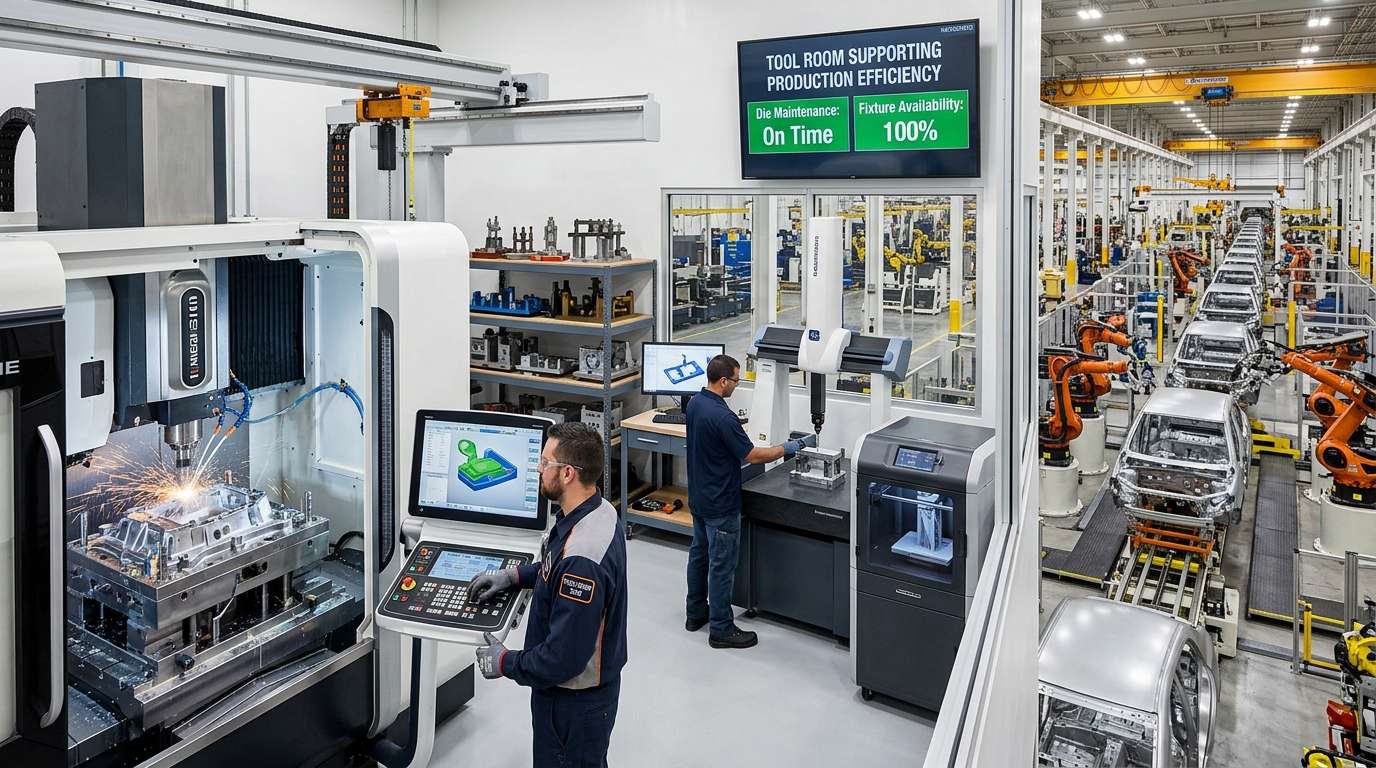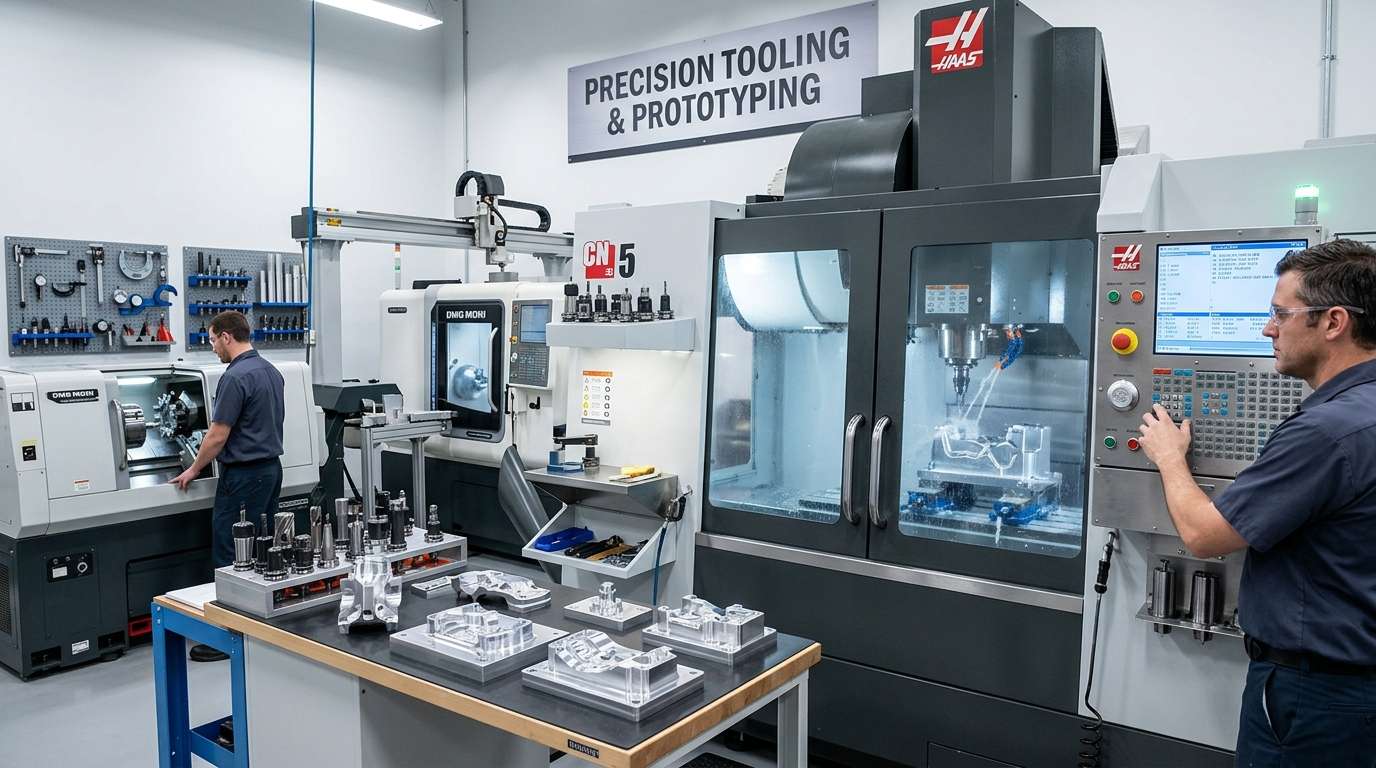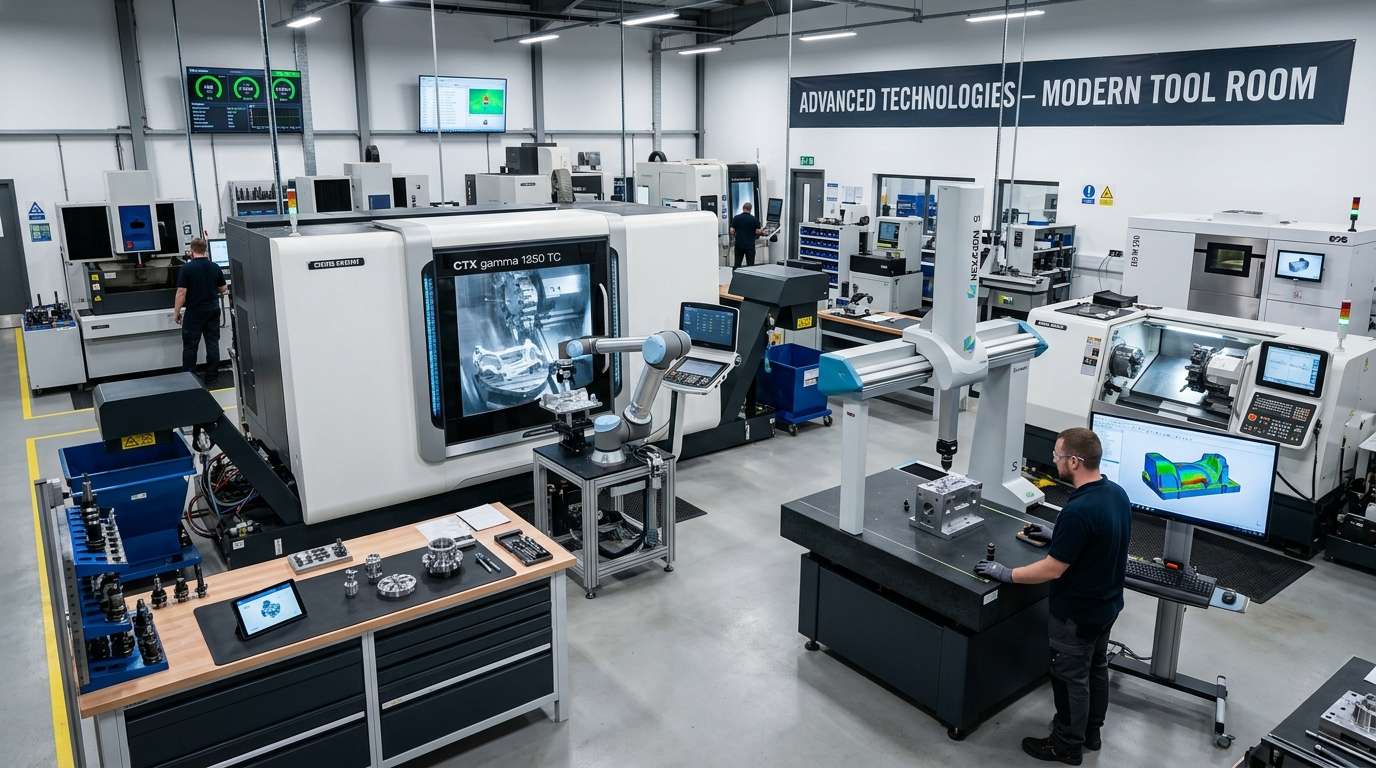
Precision shapes how cars are made today, yet it takes more than care to build them right. Inside each factory runs a hidden network of machines and plans, quietly guiding production forward. Not just any machine fits the job – only those shaped by smart engineering hold up under pressure. Though small in name, the Tool Room does heavy lifting across assembly lines everywhere. Accuracy matters most when pieces must match perfectly, time after time. Designs start on screens but live longer in metal, molded by steady hands and sharp tools. Without solid planning early on, even fast factories slow down later. Each part begins as an idea, then grows through trial, fix, rethink, repeat. Using the right precision tooling ensures these ideas become reality. In a modern Tool Room, precision tooling is the standard that the automotive industry demands.
Right off the bat, think machines built to last – that kind of accuracy shapes car production through specialized equipment made by firms focused on exact standards. Instead of guesswork, everything runs on tightly controlled processes where molds take center stage. These aren’t just any molds; they’re crafted using computer-guided systems known for tight tolerances. From there, different types of injection molding form plastic components, each suited to specific designs and volumes. The pieces coming out? They fit into larger assemblies without needing adjustments. This level of detail is why a modern Tool Room is essential.
What is a Tool Room?
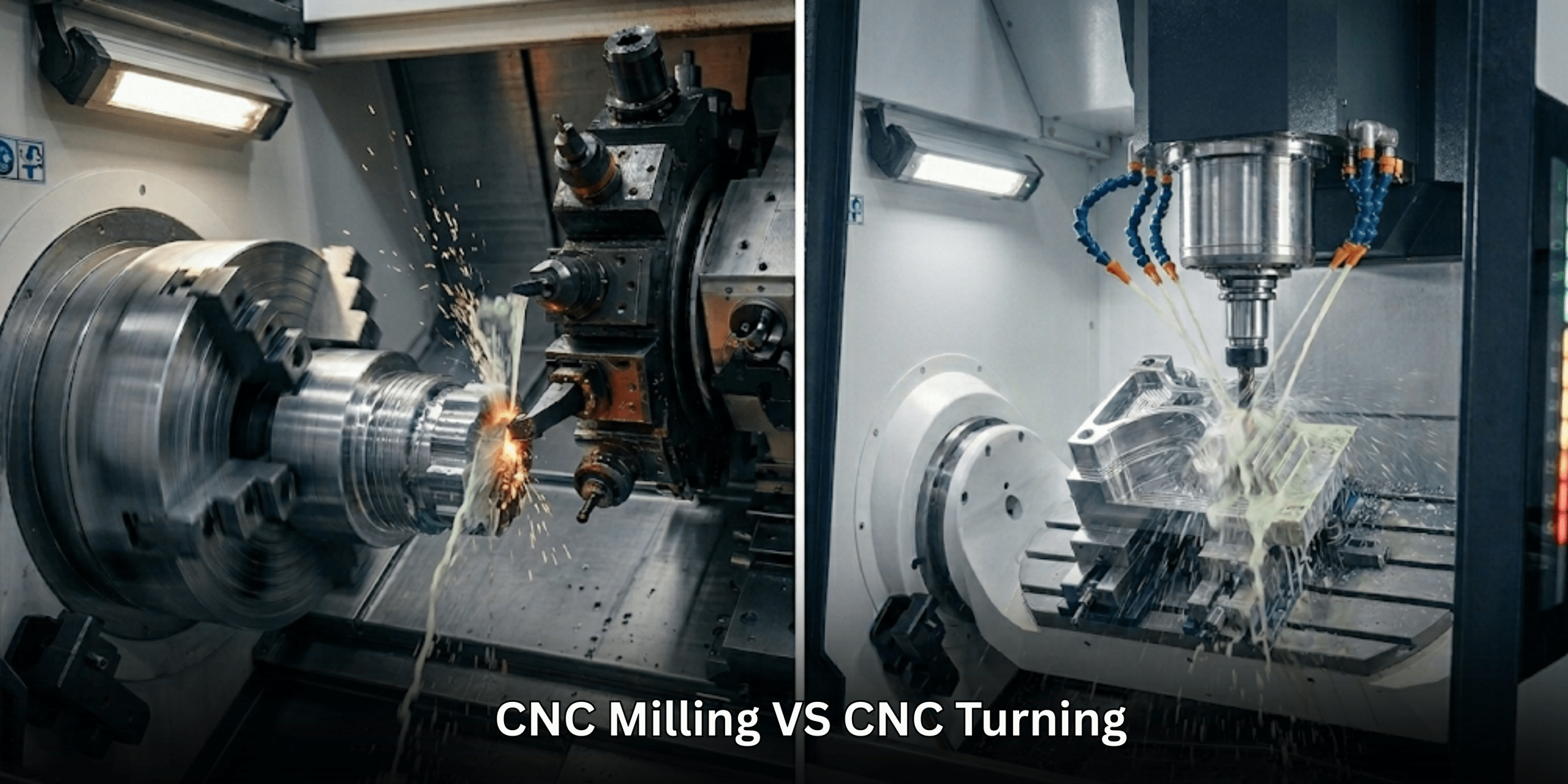
A space tucked inside a factory floor shapes the backbone of consistent output – this place builds and cares for cutting tools, molds, clamps, and patterns. Precision lives here, quietly feeding exact parts into auto manufacturing lines through careful crafting and steady upkeep. For anyone wondering what are CNC manufacturers doing in this space, they provide the automated backbone for these operations.
Tool Room operations include:
- Designing tools and dies using advanced Tool Design
- Mold manufacturing for complex components
- Maintaining precision tooling and equipment
- Supporting production lines with injection molding parts
A car maker’s precision slips when the Tool Room lacks proper gear. Equipment gaps lead to uneven results across production lines. Missing key tools means mistakes happen more often. A full set of instruments keeps each part matching the last. Poor setup invites flaws no factory wants. Well-stocked spaces support steady output every single day. A dedicated Tool Room ensures that mold manufacturing and Tool Design stay synchronized.
Importance of Tool Design in Automotive Manufacturing
A single blueprint begins each creation, shaping how machines will form parts. Through careful thought, precision lives inside every piece built to last. Efficiency shows up not by accident, but because choices guide motion before metal ever meets force. Tool Design improves efficiency, reduces errors, and enhances usability.
Tool Design benefits:
- Improved production speed
- Reduced material wastage
- Enhanced product quality
- Cost efficiency
A car factory can’t run without tools built right – think pistons, dashboards, fenders. Every piece starts with a custom jig or mold shaped for one job only. Precision hides inside these devices that stamp, bend, or form materials day after day. Without smart Tool Design layouts, assembly lines stall before they begin. Effective Tool Design is the heart of a productive Tool Room.
Role of Precision Tooling in Automotive Industry
Tools built to exact specs keep factories running right. Made with near-zero wiggle room, they deliver consistent results every time. Precision tooling is the standard that the automotive industry demands. In every Tool Room, precision tooling ensures that injection molding parts are manufactured without defects.
Why Precision Tooling Matters:
- Mass production stays consistent because of it
- Reduces defects and rework
- Improves product reliability
- Supports automation
A single tiny shift during car manufacturing might slow things down later. Precision methods matter so much inside Tool Room spaces because of that moment when parts must fit just right. High-quality precision tooling makes this possible.
What Are CNC Manufacturers?
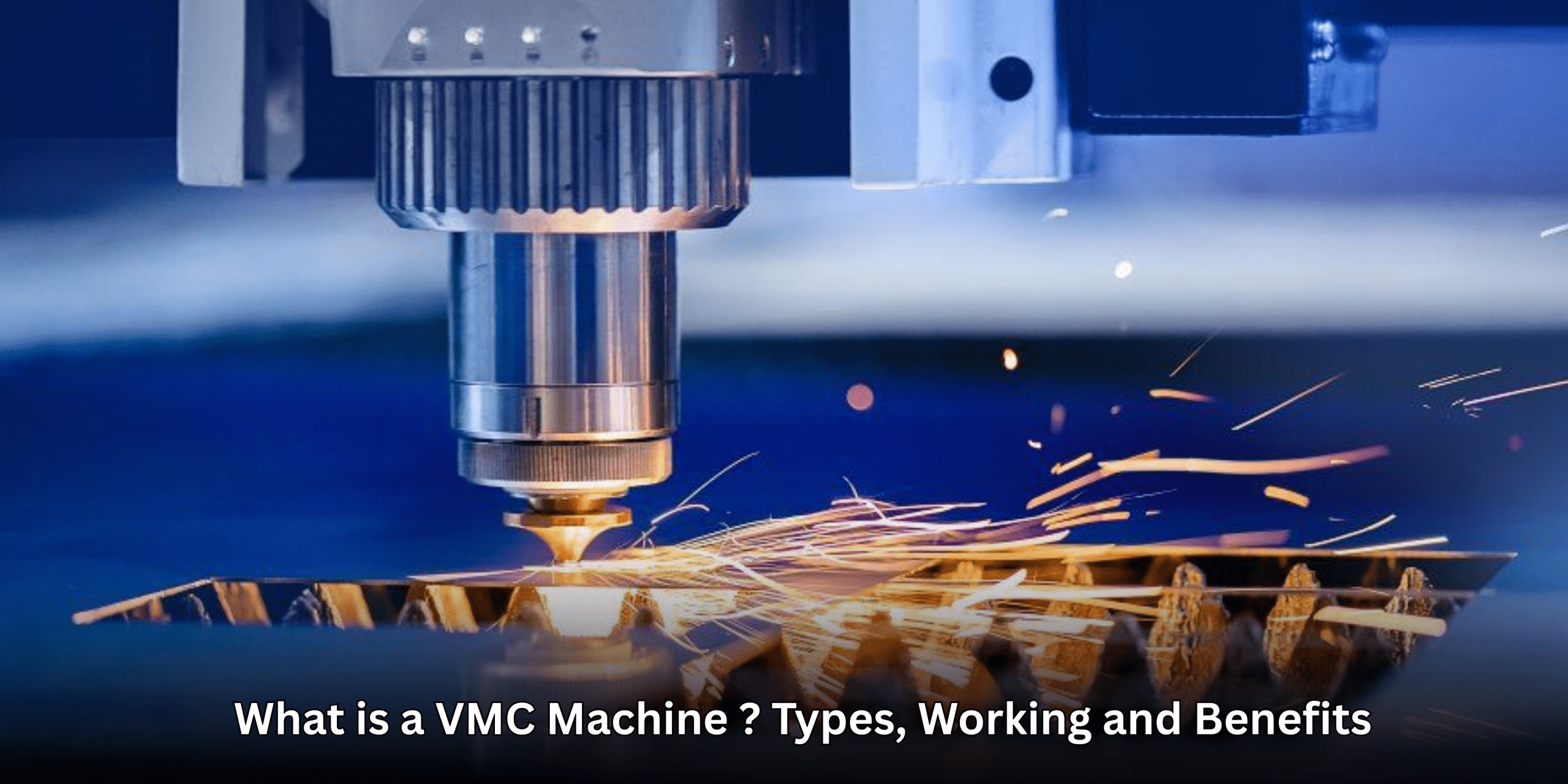
What are CNC manufacturers actually doing? Machines run by computers shape parts, very accurately. These builders rely on automation instead of hands to create the precision tooling used in cars.
Key Features of CNC Manufacturing:
- Computer-controlled operations
- High accuracy and repeatability
- Faster production cycles
- Reduced human error
Folks who run CNC machines often work hand in hand with Tool Room staff since making car parts needs precise molds, dies, and cutting tools. Equipment built on computer-controlled mills finds its way into auto production through these specialized workshops. When people ask what are CNC manufacturers, the answer lies in their ability to produce injection molding parts with perfect consistency. What are CNC manufacturers? They are the partners of every modern Tool Room.
Mold Manufacturing in Automotive Industry
Inside a Tool Room, mold manufacturing sits at the heart of how cars come together. Shaping plastics and metals into exact parts begins with these carefully built forms. Thanks to detailed Tool Design work and sharp precision tooling skills, each mold performs reliably over time. Because accuracy matters, every step follows tight standards without room for drift.
Inside each Tool Room, mold manufacturing shapes raw stuff into working pieces by way of precise hollow forms. Crafted with CNC tools, these molds hold tight tolerances so injection molding parts come out identical, again and again. Precision lives here, built not guessed, lasting through countless cycles. Every aspect of mold manufacturing depends on expert Tool Design.
Applications in Automotive: From bumpers to dashboards, mold manufacturing helps craft key car parts. While engines rely on precision pieces, interiors depend on shaped elements too. Because vehicles need consistent shapes, molds offer repeatable results. Though small in size, some components play large roles in function. Since cars require durability, molded items must withstand stress over time.
- Dashboard components and injection molding parts
- Bumpers
- Interior panels
- Engine covers
What keeps these pieces reliable is how well they’re shaped under pressure – precision shows up best when mold manufacturing is handled correctly. Strength sticks around longer if every detail gets handled carefully during production. Good mold manufacturing starts with a superior Tool Room.
Importance of Mold Manufacturing
One thing leads to another when molds are built right – each part comes out just like the last. When machines shape these molds with care, pieces fit closer together without waste. It matters most where parts must snap into place fast, say in building vehicles.
Key benefits include:
- Consistent product quality
- Reduced material waste
- Faster production cycles
- Long-lasting precision tooling performance
A solid mold means car pieces hold up well over time. Built right, they slide into place without fuss when putting things together. Mistakes drop away. So do waiting periods in manufacturing. What are CNC manufacturers providing? They provide the accuracy needed for this mold manufacturing process within the Tool Room.
Types of Injection Molding Used in Automotive
From car dashboards to tiny clips, most plastic bits in vehicles are made through types of injection molding. Knowing which kind works where makes it easier to pick the correct method for each job within the Tool Room.
Types of Injection Molding:
- Thermoplastic Injection Molding: Flexibility matters here. These pieces bend when needed.
- Thermoset Injection Molding: Fine when things get really hot. Parts stay strong where heat builds up.
- Gas-Assisted Injection Molding: Lighter build means smaller resource draw.
- Insert Injection Molding: Pieces made from both metal and plastic at once using precision tooling.
- Overmolding: Fine textures show up where function meets design.
A single part might seem small, yet together these types of injection molding keep production moving fast. Machines hum steadily because every piece fits just right. Without one element, delays creep in slowly. Speed matters most when each step follows without pause. Various types of injection molding are used to create complex injection molding parts.
Injection Molding Parts in Automobiles
Every car today holds injection molding parts. Tiny fasteners, big coverings – each formed through a method built for making lots at low cost in the Tool Room.
Common Injection Molded Components:
- Door handles
- Dashboard panels
- Air vents
- Battery casings
- Light housings
A mold’s accuracy begins with Tool Room tech, holding tight tolerances through repeated cycles. Strength builds into every detail because precision tooling shapes longevity. When demands increase, the system holds form – each cavity replicating exact specs without drift. Utilizing different types of injection molding allows for a wide variety of injection molding parts to be produced efficiently. High-quality injection molding parts are the result of excellent mold manufacturing.
How Tool Room Technology Enhances Automotive Manufacturing
- Higher Accuracy Better Results: Out of every workshop that handles fine parts, some rely on exact machinery to hold measurements steady. Because of this care, car pieces come out right more often than not.
- Faster Production Cycles: Faster outcomes show up when smart Tool Room setups meet precise machine work. Reliability grows because each step fits together without delay.
- Cost Efficiency: From careful mold manufacturing to smarter Tool Design, less scrap ends up on the floor. Better gear means fewer resources burned during making.
- Customization and Innovation: Fabrication labs bring fresh options into car making through tailored parts. With these setups, fresh ideas take shape beyond standard designs.
- Support for Mass Production: With injection molding parts, machines run nonstop while keeping standards high. Production lines move fast because each piece fits just right every time. Precision comes from consistent shaping under pressure. What are CNC manufacturers contribute is essential here.
Future of Tool Room Technology in Automotive Industry
Automation shapes what comes next for Tool Room tech, while artificial intelligence adds new layers. Smart manufacturing weaves through it all, shifting how things operate behind the scenes. What grows from this mix isn’t just faster machines – it’s different thinking in motion.
Emerging Trends:
- Smart CNC machines (developed by those who know what are CNC manufacturers)
- AI-driven Tool Design
- Advanced precision tooling techniques
- Sustainable mold manufacturing
- Automation in types of injection molding processes
Faster progress means Tool Room spaces matter more inside car production. How things change shapes what happens on factory floors. New steps forward push these spaces into sharper focus across the industry. Advanced types of injection molding will define the future of injection molding parts.
Conclusion
Out of all workshops, the one shaping car parts most quietly runs behind the scenes. Precision tooling appears first, then molds follow close behind. Because these steps link tightly, delays rarely happen mid-production. When Tool Design meets machine work smoothly, metal takes form without wasted motion. Types of injection molding shift slightly depending on part needs. Quality stays steady only if each step respects the last. Without solid planning up front, even fast machines stumble later.
With changes in how things are made, Tool Room tech matters more now. Innovation finds its way through better machines, shaping what cars become. Efficiency slips into every step, quietly improving each process. Excellence shows up where precision tooling is non-negotiable. Growth isn’t announced – it just appears alongside progress. Every successful Tool Room relies on expert mold manufacturing and Tool Design.
Starting with how what are CNC manufacturers work, along with learning about injection molding parts and forming tools, gives companies an edge. Through these insights, using Tool Room strengths becomes a way to keep up in the ever-moving car industry. By understanding what are CNC manufacturers, businesses can better utilize types of injection molding for superior results.