Introduction to CNC Machines in Electronics
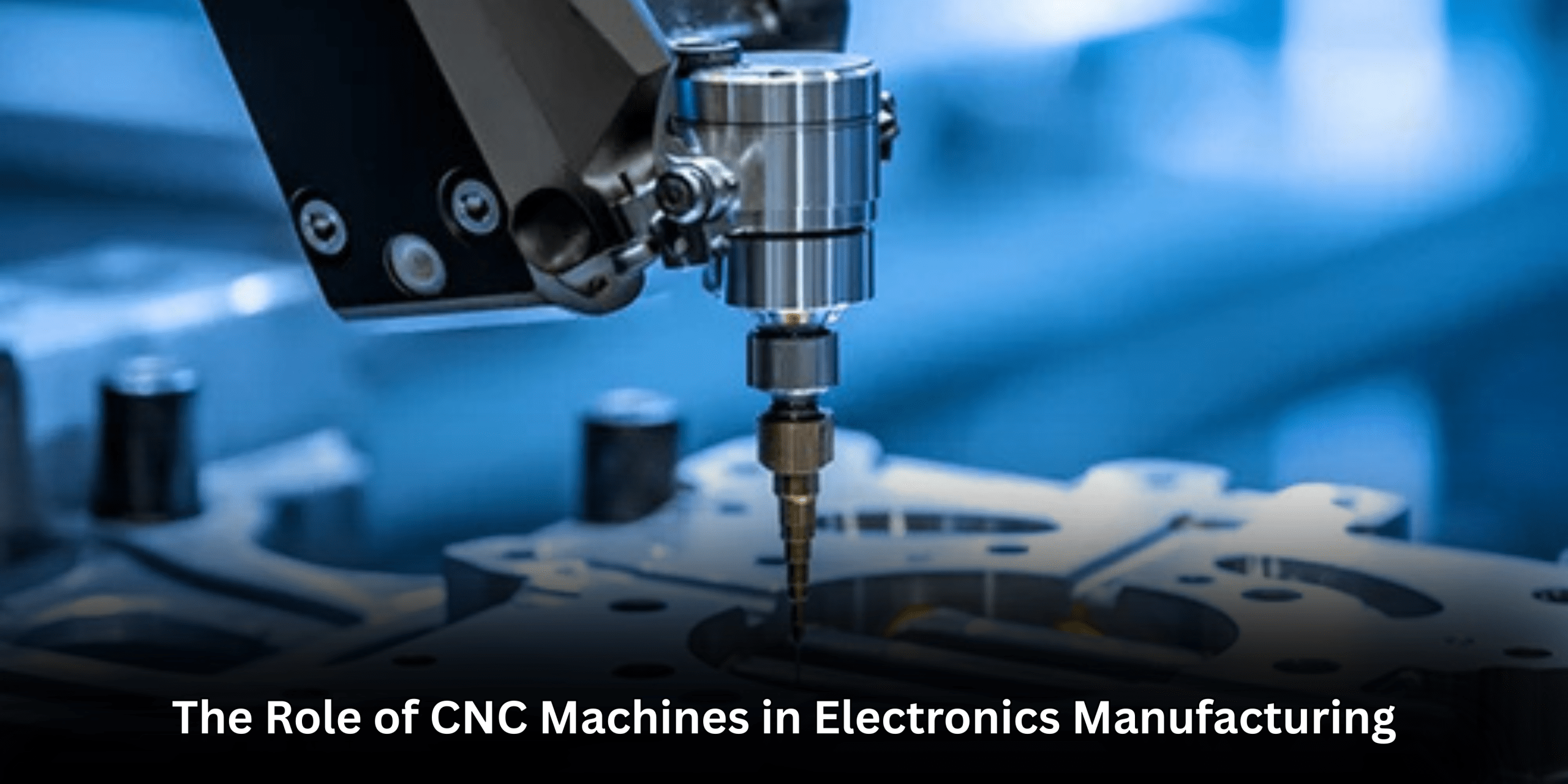
In moment’s fleetly evolving world of electronics, perfection, effectiveness, and invention are more critical than ever. From smartphones to laptops, wearable bias to hurt home appliances, the quality and trustability of electronics depend heavily on the manufacturing processes used to produce their factors. One technology that has converted electronics manufacturing is computer numerical control (CNC).
CNC machines allow manufacturers to produce intricate factors with remarkable perfection, speed, and thickness. By automating traditional machining operations like slice, drilling, and milling, CNC machining ensures that every piece, from a bitsy circuit board to a complex essence frame, meets exacting specifications.
Beyond simply producing corridor, CNC machines enhance the design process. masterminds can push the boundaries of invention because they know perfection corridor can be reliably manufactured using CNC milling, CNC drilling, or CNC turning. This confidence enables the creation of lower, lighter, and more effective electronic bias.
What is CNC Machining?
Computer numerical control( CNC) is a technology that usespre-programmed software to control the movement of ministry and tools. Unlike homemade machining, where drivers calculate on hand tools and homemade guidance, CNC machining allows computers to control precise movements, tool paths, and operations.
In the environment of electronics, CNC technology is applied to manufacture high- perfection corridor similar as PCBs (published circuit boards), essence frames, connectors, and heat cesspools. Whether it’s CNC milling, CNC drilling, or CNC turning, these machines can produce harmonious, unremarkable results with tight forbearance, which are essential for ultramodern electronics manufacturing.
CNC machines operate usingmulti-axis movements generally 3- axis, 4- axis, and 5- axis systems. This inflexibility enables the product of complex shapes with high dimensional delicacy. For illustration, a 5- axis CNC mulling machine can sculpt intricate heat Gomorrah fins for laptops or smartphones in a single operation, reducing assembly time and cost.
Importance of CNC in Modern Electronics Manufacturing
The ultramodern electronics request demands miniaturization, speed, and indefectible quality. Traditional manufacturing ways frequently struggle to meet these conditions, especially when factors are bitsy or complex. This is where CNC machining excels.
Precision Parts: CNC machines produce electronics factors with micrometer- position delicacy.
Consistency: Every part manufactured using CNC is identical, reducing crimes and failures.
Speed : Automated operations accelerate product timelines, making rapid-fire prototyping and mass product doable.
Complexity Handling : CNC can fluently handle intricate designs that would be insolvable with homemade machining.
In addition, CNC systems integrate seamlessly with other technologies like Surface Mount Technology( SMT) and automated assembly lines, allowing for end- to- end results in electronics manufacturing. This integration ensures that from PCB fabrication to final assembly, every element is produced with minimum divagation from design specifications.
CNC Processes in Electronics Manufacturing
CNC machines support several crucial processes in electronics manufacturing, including.
PCB Drilling and Milling ways
PCBs are the backbone of any electronic device. CNC drilling machines produce precise holes for through- hole factors, while CNC milling machines remove redundant material to produce intricate traces and shapes. ultramodern electronics demandmicro-drilling and high- viscosity interconnects, both of which are attainable with advanced CNC machining.
Advanced PCB drilling machines can handle hundreds of thousands of microvias with compasses as small as 0.1 mm, icing high- viscosity, high- performance circuits for smartphones, laptops, and IoT bias.
Machining Electronic Components with Precision
piecemeal from PCBs, electronics manufacturing requires precise machining of connectors, essence frames, heat cesspools, and enclosures. CNC turning and CNC milling allow manufacturers to produce corridor with complex shapes and tight forbearance, icing dependable functionality in bias. factors like aluminum frames for laptops or intricate plastic enclosures for smartphones are produced efficiently using CNC machines.
Rapid Prototyping with CNC Machines
Speed is critical in electronics development. With CNC machining, prototypes can be produced snappily and tested for fit, functionality, and design. This accelerates invention cycles, allowing electronics brands to launch products briskly while maintaining high quality. masterminds can reiterate designs multiple times within days, rather than weeks, using CNC prototyping.
Surface Mount Technology (SMT) Support
CNC machines also play a supporting part in SMT assembly, helping produce perfection institutions, wiles, and factors for automated soldering and assembly of electronic circuits. By furnishing precise alignment and mounting results, CNC ensures that SMT lines run easily and produce smaller imperfect boards.
Types of CNC Machines in Electronics
Different CNC machining technologies are used depending on the part and material conditions.
- CNC Milling Machines for Electronics
CNC milling is extensively used in electronics for shaping essence and plastic factors. It’s ideal for producing complex enclosures, heat cesspools, and structural factors with high delicacy. Multi-axis milling allows for intricate designs that would be insolvable using traditional machining.
- CNC Drilling Machines for PCB and factors
CNC drilling is essential for creating holes in PCBs for through- hole factors. ultramodern machines can drill microvias and HDI boards with minimum error, which is critical for high- performance electronics manufacturing.
- Ray CNC Machines for Cutting and Etching
Ray- grounded CNC machines allow for electronics material slice, drawing, and etching with extreme perfection. They’re particularly useful for delicate accoutrements or designs taking high resolution. Ray CNC machines are generally used to cut thin essence securities, engrave PCB markers, and produce small ornamental features on consumer bias.
- 3D CNC Printers for Electronics Prototyping
3D CNC printing is decreasingly used to prototype electronics enclosures, mechanical factors, and indeed experimental circuit boards. This system allows rapid-fire replication without significant investment in tooling. Accoutrements used can include plastics, mixes, and indeed conductive fibers for functional prototypes.
Advantages of CNC in Electronics Manufacturing
- High Precision and Tight Forbearance
CNC machines produce perfection corridor constantly, icing that indeed bitsy features in PCBs or essence factors meet exact specifications. High forbearance are pivotal for factors like microchips, connectors, and heat sinks where indeed minor diversions can impact performance.
- Consistency and Repeatable Production
With computer numerical control, every part manufactured is identical, barring the variability associated with homemade processes. This thickness is vital for large- scale electronics manufacturing, where thousands of identical bias are produced every day.
- Faster Turnaround for Prototypes and Production
CNC machining reduces product time for both prototypes and mass- produced factors, enabling electronics manufacturers to respond snappily to request demands.Rapid prototyping allows companies to test new designs, acclimate forbearance, and validate performance before committing to full- scale product.
- Reducing mortal Error and perfecting Quality
robotization reduces reliance on homemade labor, minimizing miscalculations and perfecting the overall quality of electronics manufacturing. By icing that each perfection part is made to exact specifications, CNC machines reduce failure rates and increase device trustability.
Challenges in CNC Electronics Manufacturing
Handling Micro and Miniature Parts
Producing atomic electronics factors requires extreme perfection and care. Indeed minor diversions can affect performance or assembly. Handling and fixturing these bitsy corridor during CNC milling or CNC drilling is a significant specialized challenge.
Maintaining Precision with High- Speed Operations
High- speed CNC milling or CNC drilling can beget climate and heat, impacting forbearance and face finish. Manufacturers must precisely balance speed, tool wear and tear, and cooling to maintain high perfection.
Material Limitations and Selection
Electronics factors use a variety of essence, plastics, and mixes. Some accoutrements , like high- temperature blends or flexible polymers, are delicate to machine, taking technical CNC machining ways.
Cost and Investment Considerations
High- end CNC machines bear significant capital investment. Small electronics manufacturers may face cost constraints while trying to maintain competitive product norms.Tooling, conservation, and driver training are fresh considerations.
Arising Trends in CNC Electronics Manufacturing
The part of CNC machining in electronics manufacturing is evolving fleetly. Some arising trends include.
- Multi-Material CNC Machining Combining essence, plastics, and mixes in a single workflow to produce mongrel factors.
- Integration with AI Using AI algorithms to optimize cutting paths, prognosticate tool wear and tear, and minimize crimes.
- Micro and Nano Machining Advanced CNC drilling and milling for factors at sub millimeter scales.
- Sustainable Manufacturing CNC machines designed for energy effectiveness and reduced material waste.
- Robotization & Robotics Integration Completely automated product lines where CNC machines interact with robotic assembly systems.
These trends indicate that CNC machining will continue to be necessary in producing slice- edge electronics.
How Orbitol Makes Consumer Electronics Manufacturing Faster and Smarter
Companies like Orbitol influence advanced CNC machining results to streamline electronics manufacturing. By integrating CNC milling, CNC drilling, and CNC turning into a completely automated workflow, Orbitol reduces product times, increases delicacy, and supports rapid-fire prototyping.
Orbitol’s approach ensures:
- High perfection and harmonious perfection corridor
- Rapid reversal for prototypes and product
- Support for atomic and complex factors
- Reduced mortal error and bettered quality
By espousing the rearmost CNC technologies, Orbitol empowers electronics brands to introduce briskly and maintain harmonious quality across all products.
Future of CNC in Electronics Industry
The future of CNC machining in the electronics assiduity is driven by rapid-fire technological advancements, adding product miniaturization, and the demand for smarter, briskly, and more effective manufacturing systems. As consumer electronics continue to evolve, CNC technology is conforming to meet the growing complexity of coming- generation bias.
Several transformative trends are shaping the future of CNC in electronics manufacturing
Micro-Machining at Sub Millimeter situations
As bias shrink in size while adding in functionality, CNC machines are being finagled to operate at micro andsub-millimeter scales. Micro-machining enables.
- Ultra-small connector product
- Micro-holes for high- viscosity PCBs
- Precision places for miniaturized detectors
- Compact wearable device factors
Advanced spindle technology and vibration control systems now allow machining forbearance measured in microns, icing delicacy indeed at extremely small scales.
Nano – Precision Manufacturing
Beyond micro-machining, nano- perfection CNC systems are arising for high- end operations similar as semiconductor factors,micro-electromechanical systems( MEMS), and optic electronics.
Nano- position machining enables:
- Face home stretches with infinitesimal- position smoothness
- Ultra-precise alignment features
- High- performance microchip packaging factors
This position of perfection will be critical for advanced computing bias, AI tackle, and coming- generation communication technologies.
Hybrid CNC and Additive Manufacturing Systems
One of the most promising developments is the integration of subtractive CNC machining with cumulative manufacturing( 3D printing). mongrel systems combine
- Cumulative material deposit
- CNC finishing for perfection forbearance
This allows manufacturers to:
- Figure complex internal shapes
- Reduce material waste
- Produce featherlight yet strong structures
- Manufacture multi-material factors
Mongrel CNC systems offer inflexibility, making them ideal for innovative electronics designs that traditional machining alone can not achieve.
AI-Driven Self-Optimizing Machines
Artificial Intelligence is transubstantiating CNC machining into an intelligent manufacturing system. AI- powered CNC machines can:
- Automatically optimize tool paths
- Prognosticate tool wear and tear and schedule reserves
- Acclimate cutting parameters in real time
- Descry anomalies during machining
Machine literacy algorithms dissect product data to continuously ameliorate effectiveness and quality. This reduces time-out, improves perfection, and increases overall outfit effectiveness(OEE).
Completely Automated product Lines
The future of CNC in electronics lies in complete robotization. CNC machines are decreasingly integrated with:
- Robotic arms for lading and disburdening
- Automated guided vehicles( AGVs)
- Smart examination systems
- Real- time quality monitoring
In completely automated smart manufactories, CNC systems operate 24/7 with minimum mortal intervention, enabling harmonious, high- volume product of electronic factors.
Integration with Industry 4.0 and IoT
Ultramodern CNC machines are getting connected through Industrial Internet of effects( IIoT) platforms. This connectivity enables:
- Remote monitoring and diagnostics
- Real- time performance analytics
- all- grounded product operation
- Prophetic conservation
Data- driven decision- timber improves functional effectiveness and ensures harmonious quality across global manufacturing installations.
Advanced Accoutrements Machining
Unborn electronics will decreasingly use advanced accoutrements similar as
- High- performance mixes
- Flexible electronics substrates
- Graphene- grounded accoutrements
- Advanced pottery
CNC technology is evolving to handle these grueling accoutrements with technical tooling, adaptive slice strategies, and perfection temperature control.
Sustainability and Energy Optimization
unborn CNC systems will concentrate heavily on sustainability by
- Reducing energy consumption
- Minimizing material waste
- Usingeco-friendly lubrication systems
- Supporting indirect manufacturing models
Energy-effective CNC designs will come standard as electronics manufacturers aim to lower carbon vestiges.
Customization and On- Demand Manufacturing
Consumer demand for substantiated electronics is growing. unborn CNC systems will support
- Mass customization
- Short product runs
- On- demand element manufacturing
This inflexibility allows brands to snappily acclimatize to request trends without heavy tooling investments.
The Road Ahead
As electronic bias come smarter, lower, and more important, CNC machining will continue evolving to support
- Ultra-compact device infrastructures
- High- performance thermal systems
- AI tackle factors
- 5G and coming- generation communication bias
- Advanced wearable and IoT technologies
CNC technology is no longer just a machining tool — it’s getting a completely intelligent manufacturing ecosystem. The integration of AI, robotization, mongrel manufacturing, and nano- perfection systems ensures that CNC machining will remain at the core of invention in the electronics assiduity for decades to come.
Conclusion
Key Takeaways on CNC’s Impact on Electronics Manufacturing
CNC machining is integral to producing high- quality electronics.
Precision, repetition, and speed are the emblems of CNC- driven electronics manufacturing.
From PCBs to enclosures, perfection corridor created by CNC machines define ultramodern consumer electronics.
Arising trends like AI integration and multi-material machining are shaping the future of electronics product.
The Growing part of CNC in Innovation and Efficiency
As the demand for smarter, lower, and more important electronics grows, CNC technologies will continue to evolve. Advanced computer numerical control systems, combined with robotics and AI, are paving the way for briskly, more effective, and largely precise electronics manufacturing.
CNC machining isn’t just a tool it’s the backbone of invention in the electronics assiduity, enabling manufacturers to meet the challenges of ultramodern bias and drive the future of technology.