Precision Engineering for Aerospace, Defence, and Medical Industries
What precision engineering essentially means is that it is the main dividing point of manufacturing excellence after which performance, safety, and reliability are assured. In the case of an aircraft, the just-mentioned product can be a simple mechanical assembly. Still, the general principle that applies to all three cases: a defence-grade mechanical assembly and a life-saving medical device is that accuracy down to the micron is a game-changer.
Today the three sectors (aerospace engineering, the defence sector, and medical device companies), are precision engineering-dependent to the point that they have to utilize the most advanced precision engineering techniques to be in line with the increasingly strict worldwide regulations. Without giving any breathing room, these fields go on to demand a manufacturing standard that is not only higher than the existing one but also beyond the traditional methods.
This is the point where CNC machining and other precision processes such as high-tolerance work and advanced quality systems step in and save the day. The blog facilitates the understanding of how precision engineering supports aerospace, defence, and medical industries, why it is critical, and the ways by which modern manufacturers achieve exceptional accuracy across all three sectors.
What Is Precision Engineering and Why Does It Matter?
Precision engineering is a branch of manufacturing which focuses on the design and production of components whose tolerances are extremely tight, performance is consistent, and repeatability is high. Besides that, precision engineering:
- Emphasizes micron-level accuracy
- Provides consistent repeatability across batches
- Gives superior surface finish
- The deviation from design specifications is minimal
In aerospace engineering, defence manufacturing, and medical industries the slightest dimensional error might result in the loss of safety, functionality, or even regulatory compliance. Precision engineering frees those fears by giving the guarantee that each part will run the intended tasks precisely every time.
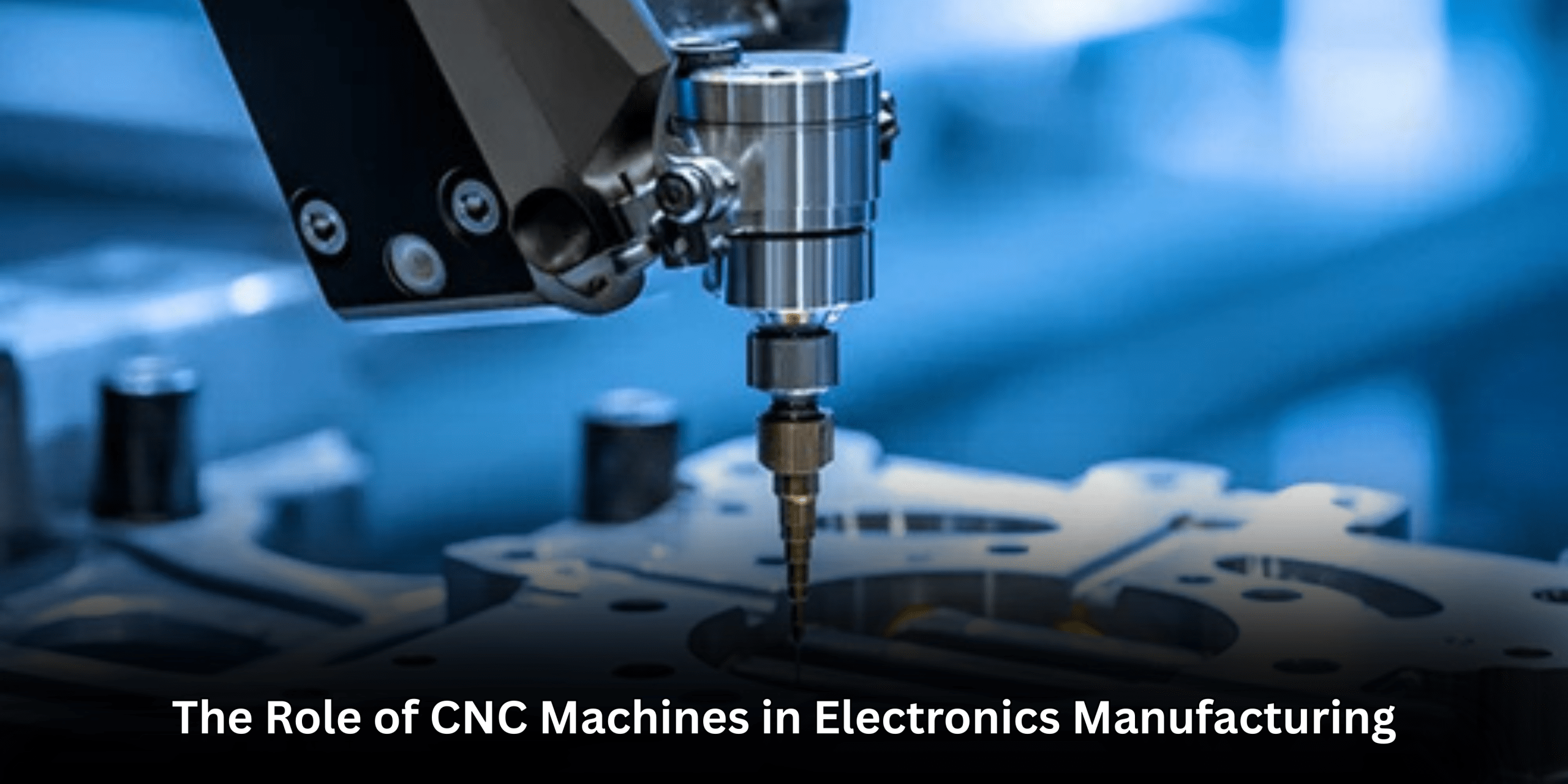
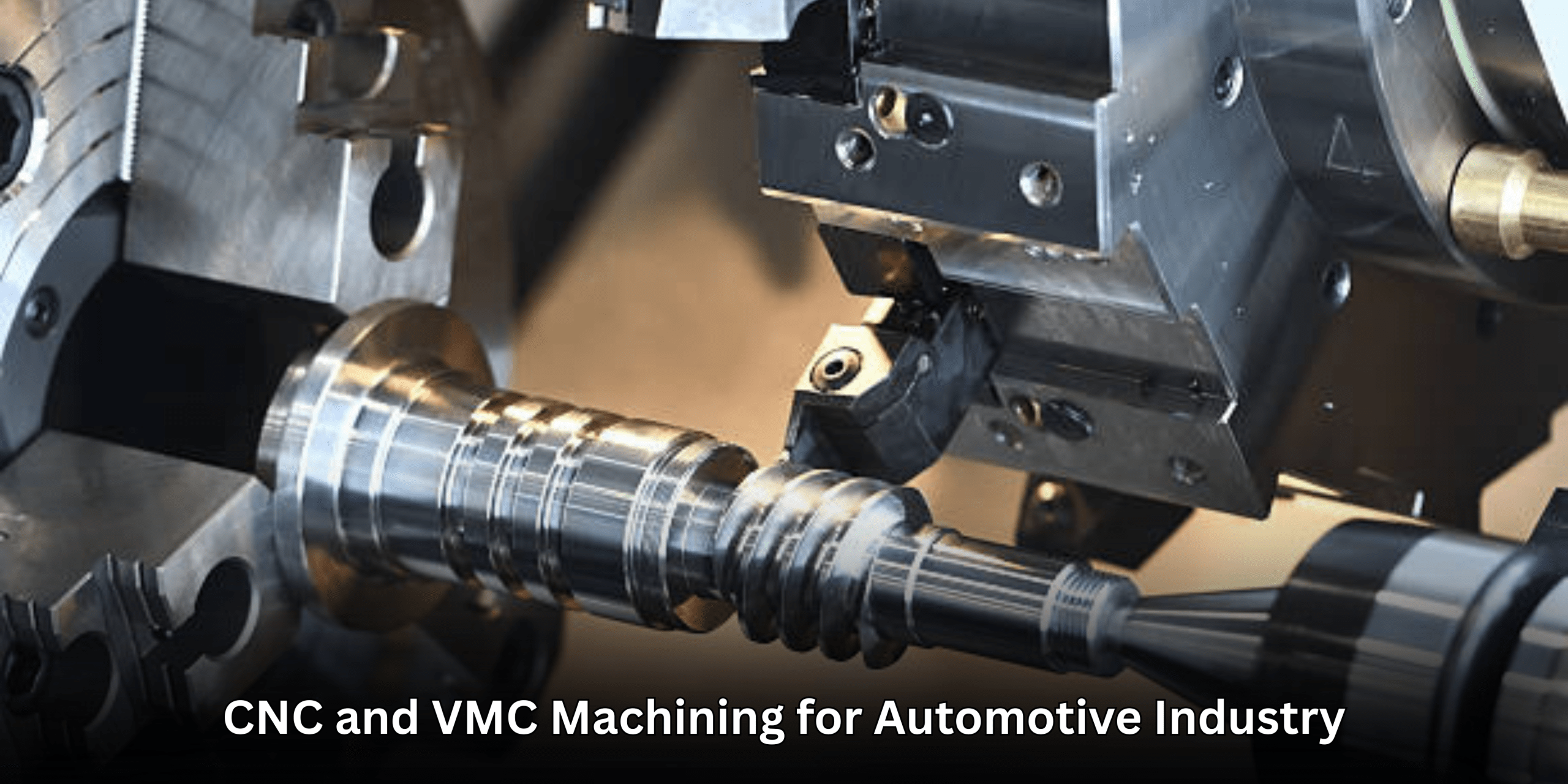
The Role of CNC Machining in Precision Engineering CNC machining is the most important element of the present-day precision engineering scene. With CNC technology manufacturers can automate a customer-order-driven process which is then computer-controlled and results in great consistency and accuracy.
The main contributions brought by CNC machining are:
- Human error is totally eliminated
- Tolerance control is very tight
- Complicated geometries can be machined
- Quality can be repeated for mass production
- Advanced materials can be used
What CNC machining can offer is a matter of necessity for the industry of aerospace, defence, and medical industries. However, the most cannot be said about the industry itself.
Precision Engineering in Aerospace Engineering Why Accuracy Is Critical in Aerospace Engineering Aerospace engineering is one of the strictest fields when it comes to precision manufacturing. Aircraft and spacecraft components are expected to perform well under extreme conditions such as:
- High temperatures
- Heavy mechanical loads
- Constant vibration
- High-speed rotation
- Long operational lifecycles
Aerospace component with a slight deviation could cause the aerodynamics to change, thus, affecting fuel efficiency and structural integrity.
Key Aerospace Components Made Through Precision Engineering
With precision engineering, structural brackets and frames can be:
- reliably manufactured
- lighter and stronger
the internal or the external combustion engine and the turbines can be made through oncology or the precision engineering with one side of industry, the other half at least must be researched upon:
- they are able to work with higher temperatures
- they are made to be more reliable and durable
the nuclear fuel element:
- precision housings of by precise
- exacting you can be assured of housing needed aligns mounts are made use
- aerospace fasteners with exact thread accuracy
Cnc machining makes these parts close to theoretical limits of sizes hence they can also keep the parts strong and reliable at the same time.
Aerospace Fasteners: The Tiny Components That Have the Greatest Impact on Safety
Even after a seemingly inessential, a usage of a Slow/Fastener not only creates a real safety problem, but makes the whole fabricated aircraft safe and reliability system fails. A good thread in a fastener has a high chance of over 50 years of extreme and low use without breaking, they most be sure that they carry in an area of no melting not in an additional use specifically made for vibration, temperature cycles and mechanical stress.
Precision engineering makes sure of the following cabooses through the corresponsing dossiers:
- Correct thread profiles
- Perfect dimensional accuracy
- Great long-term performance in cases of hard exploitation
If there were no precisions in machining, it would be almost impossible to achieve such a degree of reliability.
Precision Engineering for the Defence Sector
Why Defence Manufacturing Requires Precision?
The defence sector is a source of demanding uncompromising qualities and perfect reliability. The defence industry cannot afford any mistakes in their products which in turn have to serve in difficult and unknown areas such as:
- battlefields
- very cold or very hot regions
- high-speed or high-impact zones
Having them done through precision engineering allows defence parts to have the following features:
- Robustness
- Functioning without failure
- Performing consistently under a difficult condition
Applications of Precision Engineering in Defence
Firstly, defence technology is based on fundamental components that are precision-engineered, these are:
- military vehicles
- weapon systems
- defence mechanical assemblies-contract work in which precision engineering by cam made a key enabling factor for stern communication and surveillance equipment
CNC technology has opened up new possibilities for producing precision parts in the defense sector, with tight tolerances and resulting in durable long-term operational capability and readiness for the mission.
Reliability and Repeatability in Defence Manufacturing
Long-term consistency in production is a feature of defense programs most of the time. One of the main reasons why precision engineering is critical to defense manufacturing is that parts produced today will be identical to those made years later which is very important for:
- repair
- replacement
- interchangeability
Precision Engineering in Medical Industries
Why Precision Is Life-Critical in Medical Manufacturing
In medical fields, precision engineering is the main factor that decides on human lives. The parts that go into the medical devices have to be made to the most accurate standards so as to:
- guarantee safety
- ensure high performance
- follow regulations
Medical device manufacturers use precision engineering to make the products that are:
- friendly to the body
- very accurate
- easy and neat to work with
- ready for sterilization
The Importance of CNC Machining in Manufacturing Medical Equipment
By enabling:
- ultra-fine accuracy of parts
- standard surface finishing
- increasing the complexity of shapes of advanced medical instruments
CNC machining is the major contributor to medical equipment
About Orbitol Intelligence Pvt. Ltd. Driving Precision Engineering Excellence
Orbitol Intelligence Pvt. Ltd. is a solution provider for precision engineering in demand industries that are tightly regulated and are sensitive to performance where the likes of aerospace engineering, defence and medical industries are involved. Going by the virtues of accuracy, innovation and quality, Orbitol Intelligence is giving the world a component standard that is not only global but also customer-specific.
Orbitol Intelligence is enabling top medical device companies, aerospace suppliers and defence manufacturers to get the components that are reliable and of high-precision by the use of advanced CNC machining, state-of-the-art manufacturing facility and rigorous quality control practices.
Material Expertise Across Aerospace, Defence, and Medical Industries
Precision engineering is closely related to the use of advanced materials, especially when it is necessary to machine them – such a need is typically met by engineering:
- Aluminum and aluminum alloys
- Stainless steel
- Titanium
- High-strength alloys
With CNC machining, a producer can do all that without losing exactness and to the metal can be of a good quality, both of which are very important in the aberrance of aerospace engineering, defense, medical industries.
Multi-Axis CNC Machining for Complex Precision Components
The change of just one variable might make an object either too difficult to produce with the most simple methods of machining or not possible at all. Multi-axis CNC machining allows for the following:
- Machining from multiple angles
- Reduced setup time
- Higher accuracy
- Improved surface quality
Medical device parts that are small in size and aerospace components that are complicated are examples of products where this feature plays a big role.
Quality Control and Inspection in Precision Engineering
Precision engineering is strongly associated to strict quality controls. Top manufacturers are committed to the following:
- In-process inspections
- Final dimensional verification
- Consistency checks across batches
These quality control procedures are a guarantee that the parts will be qualified according to the set standards – a reconfirmation of their most critical applications in aerospace, defence, and medical fields.
Why Precision Engineering Is the Future of High-Performance Industries
As the precision-demanding technologies become the norm, the question of how long we will still see them in areas like aerospace engineering, defence, and medical manufacturing is solved—they will continue to be the main consumers in these sectors.
How Precision-Focused Manufacturers Create Industry Impact
By promulgating precision engineering in their business operations, manufacturers secure a competitive advantage through the following:
- Higher accuracy
- Improved reliability
- Consistent quality
- Faster production cycles
Such a status of them as vital contributors to mission-critical sectors is the reason why they are the most desirable collaborations of aerospace, defence, and medical device companies.
Conclusion
Precision engineering is crucial to the modernization of the aerospace engineering, defense, and medical sectors. It is through advanced CNC machining that producers can secure the necessary accuracy, repeatability, and reliability demanded by these sectors.
Precision engineering is what makes performance, safety, and compliance possible at all stages from one side to the other, be it in aerospace components, aero fasteners, or critical medical devices. The importance of precision engineering will always be present as the industry standards keep on elevating, and it will also be the key to innovation, quality, and long-term success.
For companies which are working in high-risk, high-performance environments, the choice to invest in precision engineering is not merely a strategic benefit it is vital.