Introduction
A space for tools holds things together when making stuff that must be exact, strong, good. In cars, planes, gadgets, or plastic goods, this room shapes how work moves forward. Not just building molds but also fixing gear happens inside these walls. Creation begins before machines even turn on. A high-functioning Tool Room relies on advanced tool equipment to ensure every tool room machining process is executed perfectly. Tool maintenance and injection mold design are the pillars of this space.
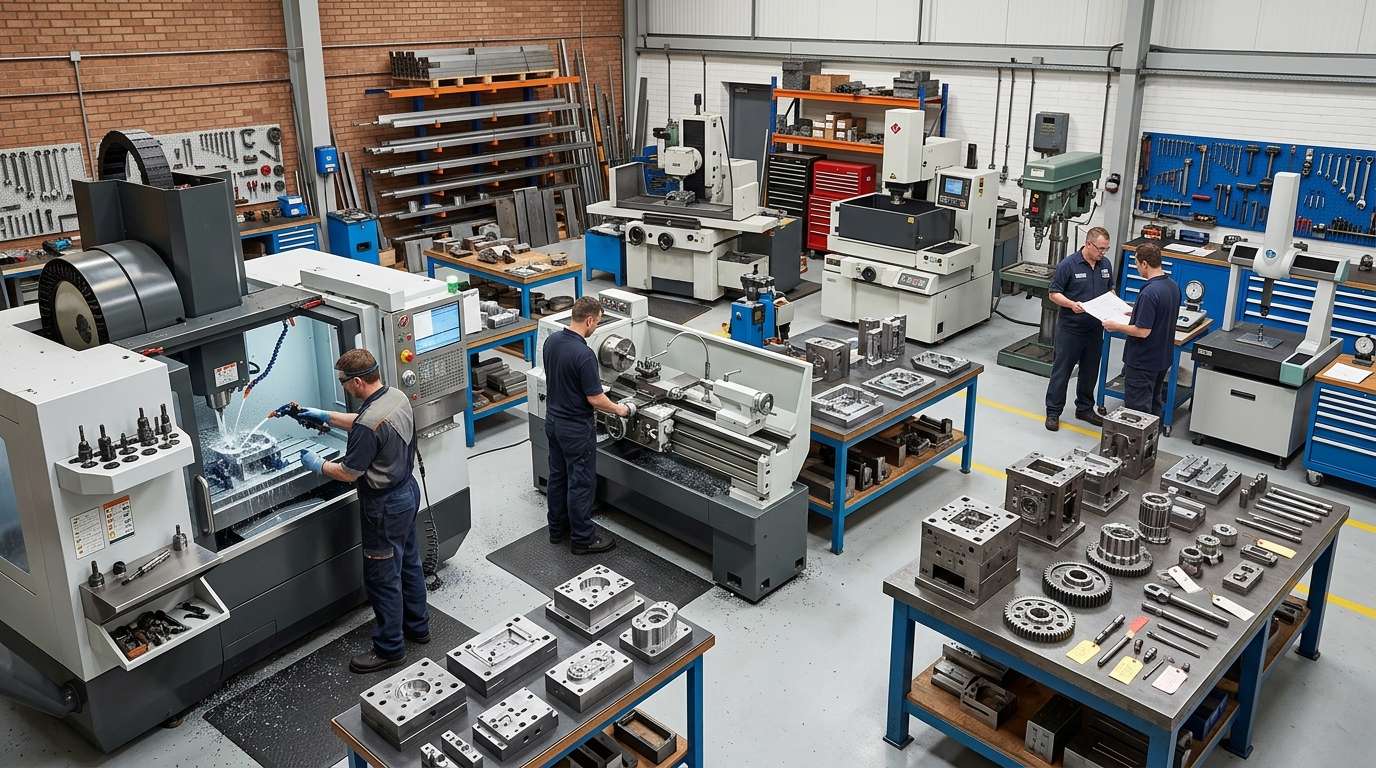
A place built just for making and fixing tools – that’s what a Tool Room really is. Filled with high-precision machines, it relies on trained workers who handle exacting tasks every day. Because precision matters so much, special gear fills the space – molds, dies, custom jigs – all crafted right there using specialized tool equipment. When something breaks down during manufacturing, this becomes the go-to spot for quick fixes and essential tool maintenance. Picture consistency in output; now imagine trying to keep that without proper support behind the scenes – it falls apart fast. Smooth operations depend heavily on what happens inside these walls. A dedicated Tool Room ensures that tool equipment and tool maintenance stay synchronized through a rigorous tool room machining process.
This blog walks through what a Tool Room is, covering how it works, the tool equipment used, where it fits in manufacturing. It looks at things like making molds for plastic parts through injection mold design, steps involved in shaping tools via the tool room machining process, keeping them in good shape through tool maintenance – all laid out simply. Different ideas come together here without confusion. Each part connects naturally to the next. Details build up slowly. Nothing feels rushed. Understanding What is a mold design and how it integrates into the Tool Room is vital for modern production. Each part of the tool room machining process connects naturally to the next. The focus stays on clarity. Examples help show rather than tell. Real uses appear throughout. Industrial roles become visible. Functions make sense. Processes unfold clearly. Knowledge builds from start to finish.
What is a Tool Room?
A place built for making things – this is what a Tool Room really is. Not part of the main factory line, yet tightly linked. Where custom gear takes shape: dies, molds, holders that guide machines. Precision rules here more than speed. While big floors run endless copies, this space shapes one-of-a-kind pieces. Design happens close by repair work. Building blends into fixing without clear lines. Custom needs matter most, not quantity. Each item made to fit exact demands. Machines hum at slower rhythms. Accuracy measured in tiny margins. This spot thrives where standard methods fall short. The quality of the tool equipment determines the success of the tool room machining process. A Tool Room must prioritize tool maintenance to stay operational.
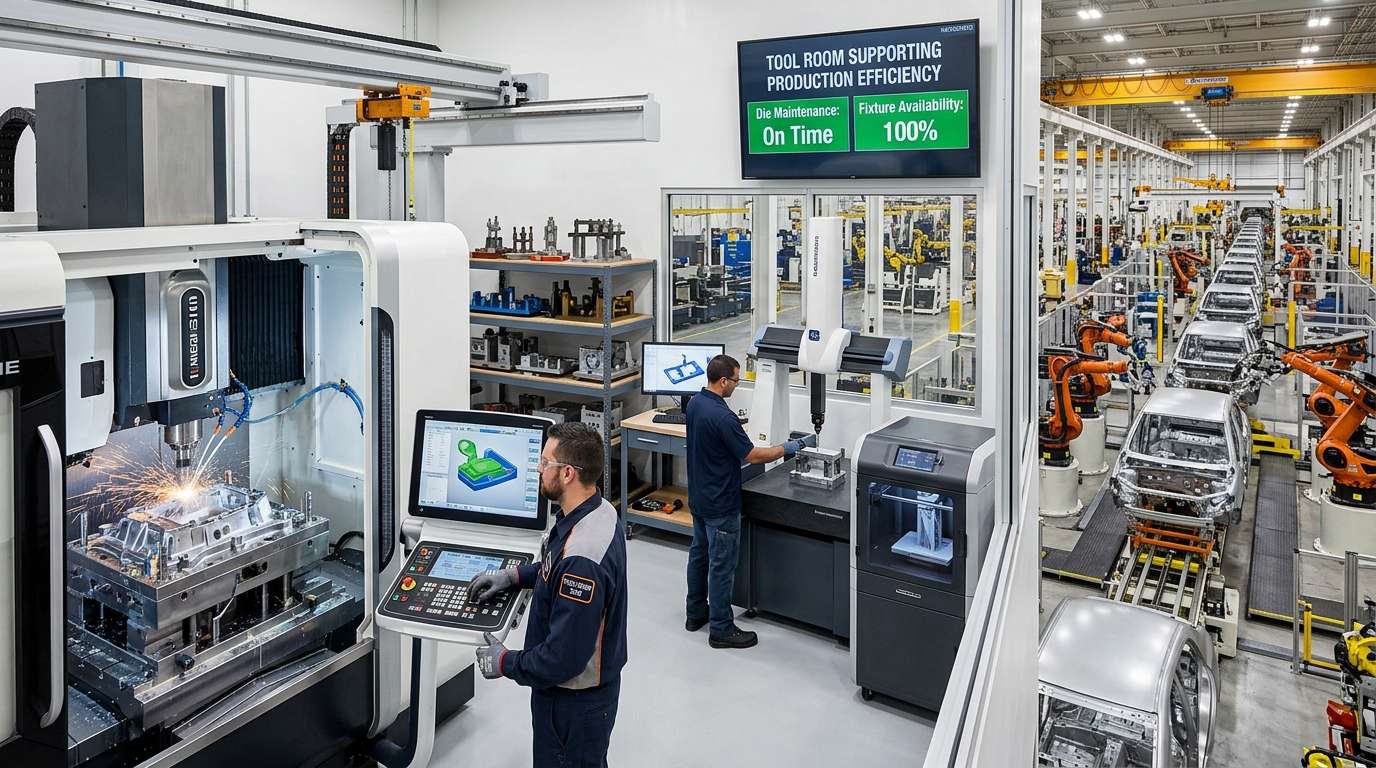
A space built for tools does one key job – backing up factory work with solid gear. When things are made, these pieces help hit exact targets every time. Constant tool maintenance ensures that the Tool Room remains productive and the tool equipment remains in top condition for injection mold design.
Tool Room Key Functions
- Designing tools and molds using expert injection mold design.
- Manufacturing precision components through the tool room machining process.
- Repairing damaged tools and providing consistent tool maintenance.
- Performing regular tool maintenance on all tool equipment.
- Fine-tuned tools keep manufacturing on track. Precision gear helps output stay steady. Well-calibrated devices back up assembly lines. Reliable instruments ensure smooth operations. Exact machinery supports consistent results.
A Tool Room in good order keeps work moving – no stoppages from broken or tired equipment. When care goes into tool maintenance, everything else follows without hiccups. Things stay on track because gear works when needed. Without proper oversight of tool equipment, small failures grow. But steady attention through tool maintenance prevents those drops before they start. Every tool room machining process relies on this foundation.
Importance of Tool Room in Manufacturing
Tool Room Importance:
- Precision Manufacturing: Fine details matter most when shaping each tool inside that room. Accuracy is driven by high-quality tool equipment and a detailed tool room machining process.
- Cost Efficiency: A well-kept tool works longer without stopping. Consistent tool maintenance means new ones are needed less often in the Tool Room.
- Customization: A product unlike any other might need a custom-built tool. Sometimes it takes more than standard tool equipment to get the job done right via injection mold design.
- Quality Control: A single flaw can spread through every batch – this space stops it before it starts via a strict tool room machining process and regular tool maintenance.
- Faster Production Setup: Faster startup happens when tools and molds are prepared beforehand through injection mold design and tool equipment calibration.
Tool Room Machining Process
Starting off, material gets shaped through a series of operations inside the Tool Room. One after another, these stages of the tool room machining process rely on expert operators along with high-precision machines. Movement from raw stock to finished part happens gradually, each phase building on the last. Precision comes not just from tool equipment but also steady hands guiding it. What begins as rough metal ends up as tightly toleranced pieces. Execution depends heavily on timing, setup accuracy, plus consistent oversight within the tool room machining process and tool maintenance.
Tool Room Machining Steps
- Design and Planning: A sketch kicks things off inside a Tool Room – plans take shape before anything gets built. On screens, engineers lay out precise blueprints for injection mold design, their work guided by digital tools that map every angle. This step usually involves designing molds used in making plastic items. What is a mold design? That process means drawing up plans for a tool that forms liquid material into its final shape. What is a mold design represents the start of the tool room machining process.
- Material Selection: Material choice matters a lot. Tool equipment for tools needs toughness, long life, and stays good even when used hard.
- Machining: At the heart of the tool room machining process lies machining. Cutting, shaping, then finishing parts happens here through machine use. Precision guides every step along the way.
- Assembly: Pieces come together, forming full tools or molds. Each part fits where it should, joining others through careful setup with high-quality tool equipment. The result stands ready for injection mold design applications.
- Testing and Inspection: Each item built in the Tool Room goes through checks to ensure the tool room machining process was successful. Quality isn’t assumed – it’s confirmed by testing and tool maintenance reviews.
- Tool Maintenance: Once made, tools get checked often so they last longer and work well. Tool maintenance need care after being built – this keeps them running strong over time. Done right, upkeep follows every build to protect how long tools live and what they can do. Every round of making ends with attention to tools – they stay sharp, steady, ready. Building leads into tending; that rhythm guards their strength and years ahead.
Machines Used in Tool Room
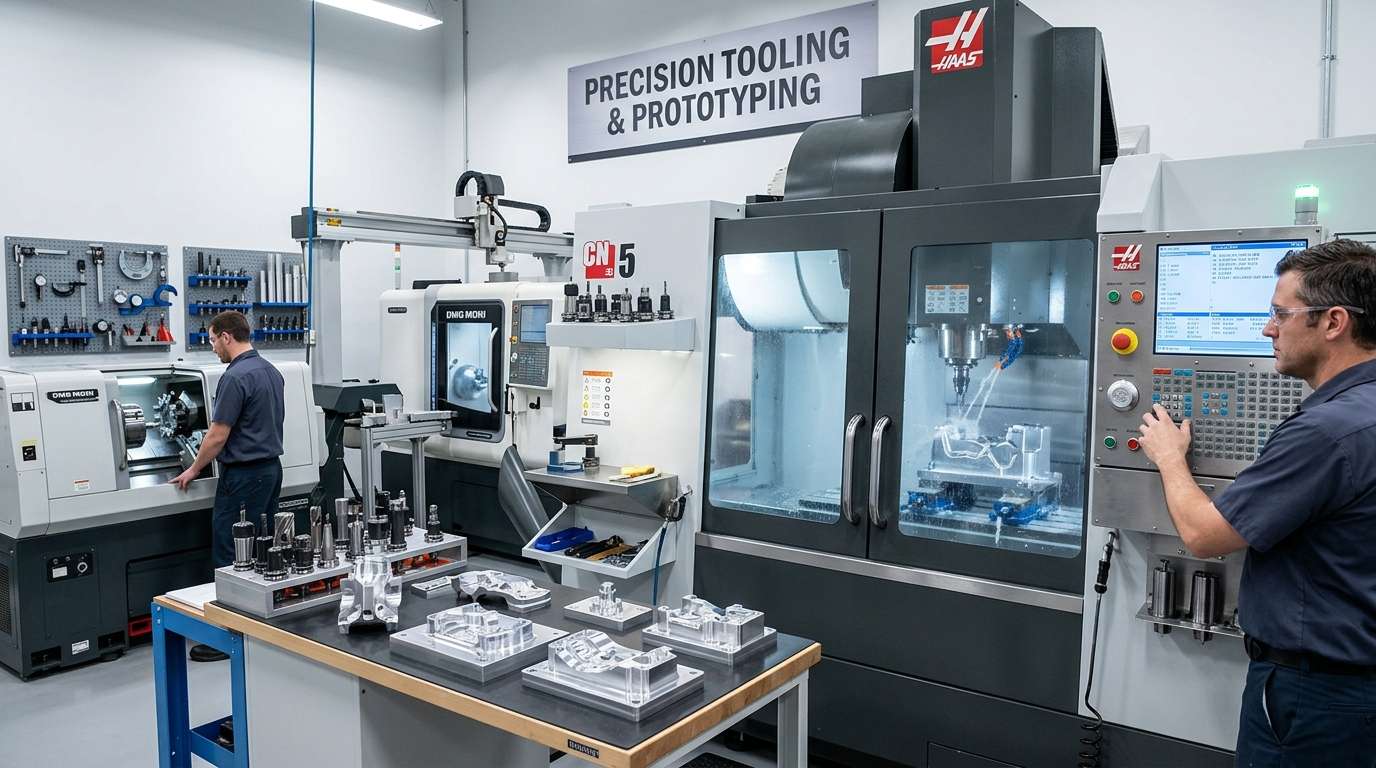
A room filled with tools holds high-end gear designed for exact production tasks. Alongside these, workers handle devices meant to shape and form parts. Precision comes through teamwork between people and tool equipment built for detail. The tool room machining process is defined by these machines.
Common Tool Room Machines:
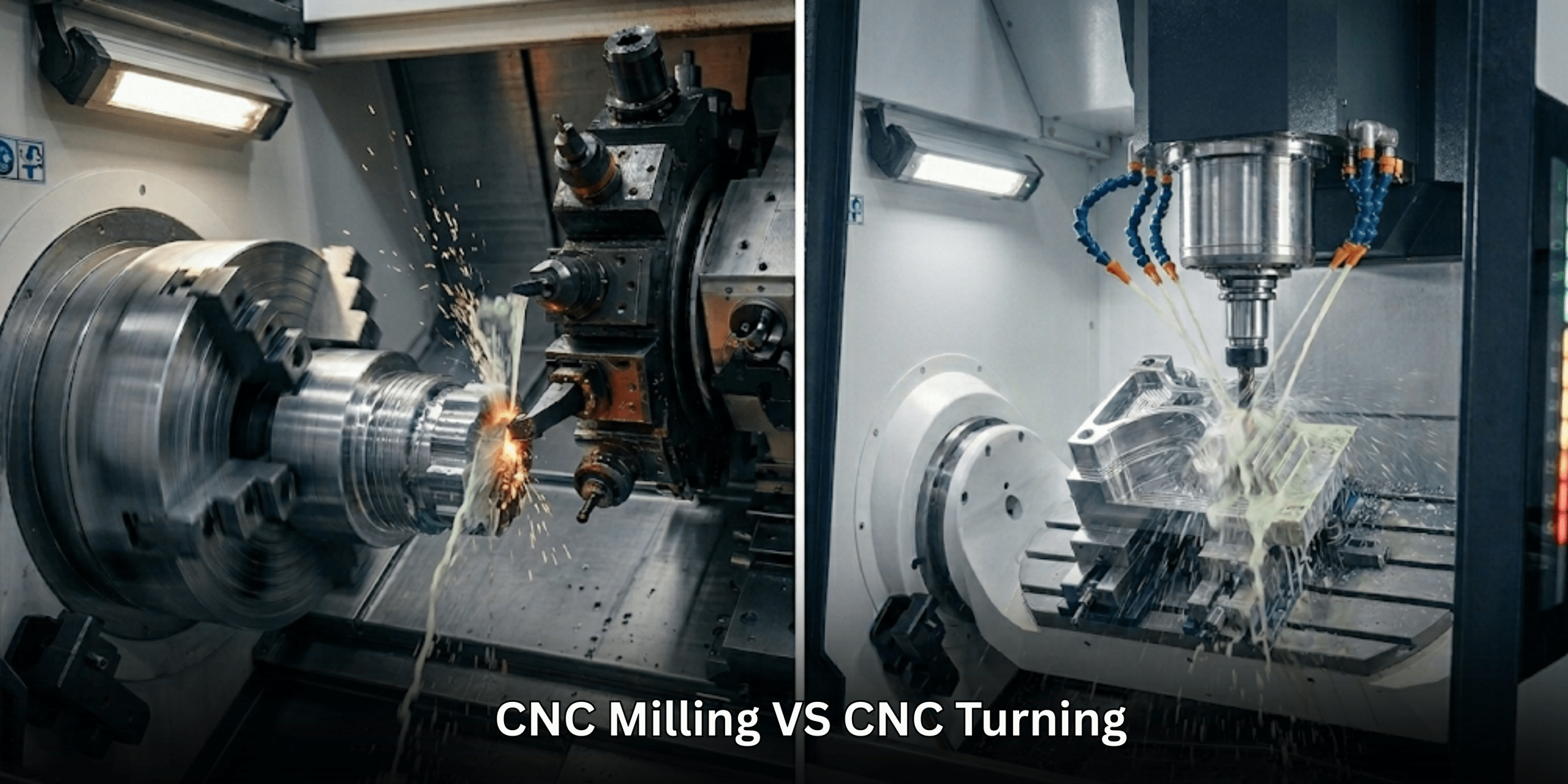
- Lathe Machine: Spinning metal parts on a lathe gives them round forms. Turning tools cut as the piece rotates slowly. This shapes rods, shafts, bushings into precise profiles. This is a staple in the tool room machining process.
- Milling Machine: A Tool Room relies heavily on this machine. Shaping intricate components happens here, yet it also handles precise cuts using specialized tool equipment. Its role stands out, though many tools share the space.
- Grinding Machine: A smooth result comes from careful work at the end of the tool room machining process. Finishing takes time when precision matters most.
- CNC Machines: A Tool Room today often runs on CNC – that is, Computer Numerical Control – where tasks shift smoothly under programmed guidance. Precision comes alive through automation and high-end tool equipment. Machines follow digital paths instead of hand adjustments. These setups handle cuts and shapes with little drift from the plan. Automation takes over once codes load into the system. Accuracy stays high because software directs every move. Human touch steps in only when oversight matters.
- Electrical Discharge Machine (EDM): Cutting tough stuff happens here, pushing the tool room machining process to the edge. Precision takes over when the material won’t give easily.
- Drilling Machine: Holes begin forming in tools and parts through this process using specific tool equipment. Equipment takes shape when openings appear where needed. Components shift function once perforations exist inside them. Tooling changes as gaps emerge during production.
Out on the shop floor, these units hold up the whole machining workflow while delivering solid results every time. Machines like these? They keep precision work running without a hitch through the tool room machining process.
Tool Equipment in Tool Room
A workspace filled with gadgets and instruments often centers around what people call tool equipment. These items help complete various tasks inside a dedicated Tool Room meant for fixing or building things. Each device has its role, working together through steps that require precision and the tool room machining process. Operations shift depending on the job, yet rely heavily on these trusted implements nearby.
Tool Equipment Types:
- Cutting tools and tool equipment
- Measuring instruments and tool equipment
- Fixtures and jigs
- Dies and molds created via injection mold design
- Clamping devices
From wrenches to calipers, every piece of tool equipment fits a role while helping the Tool Room run without hiccups. What matters is how each one slots into daily workflow instead of standing out on its own. Faulty care during use can ruin tools fast – regular tool maintenance is the only way to keep them right. Storage matters just as much if you want precision later on via your tool equipment. Mistakes in either step lead straight to problems down the line.
Injection Mold Design in Tool Room
Injection mold design stands out as a key task inside any Tool Room. Widely applied across plastic production, it shapes how parts are made. Expert hands work there, trained sharp through years of practice in injection mold design.
Understanding What is a mold design? Starting off, folks just getting started often wonder – What is a mold design? Shaping hot, liquid stuff into a specific shape is the core idea behind it. Within the Tool Room, What is a mold design represents the blueprint for the entire tool room machining process. Precision matters right from the first sketch of the injection mold design. Built tough, the tool holds up under heavy use. Repeating the same outcome every single time is its main job, which is defined during injection mold design. What is a mold design is a question answered by the quality of the final product.
Injection Mold Design Steps:
- Product analysis
- Mold structure design (The core of What is a mold design)
- Selection of materials for injection mold design
- Cooling system design in injection mold design
- Final testing of the injection mold design outcome
Fine tools sit ready inside the Tool Room, built for shaping injection molds. Expert hands work there, trained sharp through years of practice. Machines hum where metal meets precise intent. Skill flows alongside machinery and tool equipment, each part depending on the other. Without that space, the process of injection mold design stalls before it begins.
Tool Maintenance in Tool Room
A well-kept Tool Room handles repairs before small issues grow. When tool maintenance slips, equipment degrades fast – flawed outputs follow. Downtime creeps in once parts fail without warning. Consistent tool maintenance is the only defense for expensive tool equipment.
Tool Maintenance Types:
- Preventive Tool Maintenance: Start by checking tool equipment often – grime builds up fast. A quick wipe keeps rust away. Look closely every few days; problems show early. Dirt slows things down more than people think. Clean parts work longer when cared for daily through proactive tool maintenance. Small efforts prevent big headaches later.
- Corrective Tool Maintenance: Faulty tool equipment gets fixed once it stops working properly. This is a reactive part of tool maintenance.
- Predictive Tool Maintenance: Using data and monitoring systems to predict when tool equipment might fail.
Maintaining Tools Matters:
- Extends tool life through regular tool maintenance.
- Reduces downtime in the Tool Room.
- Improves product quality via a stable tool room machining process.
- Saves costs on tool equipment.
Fine care of tools keeps the Tool Room running without hiccups. Tool maintenance is not an afterthought; it is a necessity for every piece of tool equipment. Equipment treated well tends to last longer, showing up when needed most. Smooth operations often come from small habits – cleaning, checking, storing right. Mistakes fade when gear behaves predictably day after day due to tool maintenance.
Applications of Tool Room
Inside factories, the Tool Room matters most when exact parts must fit just right. Machines wait until each piece meets strict rules. Workers rely on these spaces to keep production moving smoothly through the tool room machining process. Every industry needing accuracy finds a place like this essential.
Major Applications:
- Automotive Industry: Fabrication of engine components depends on the Tool Room and its specialized tool equipment. Molds take shape through comparable processes, yet each application demanded unique adjustments via injection mold design.
- Aerospace Industry: Requires high precision tool equipment for aircraft components. Tool maintenance is critical here for safety.
- Plastic Industry: Injection mold design is widely used here to create consistent plastic parts via the tool room machining process.
- Electronics Industry: A few tiny instruments take shape inside the Tool Room. Built one at a time, each fits neatly in hand. Precision guides every cut. Metal bends exactly where needed. These pieces serve quiet roles elsewhere. Nothing oversized leaves that space. Care shapes what function demands through tool maintenance.
- Medical Industry: Used to create surgical instruments and devices through strict tool maintenance and the tool room machining process.
A single space holds tools that shape how factories work today. Machines inside help build parts fast, without delays piling up. Each job relies on precise gear stored where workers reach it easily. Production lines keep moving because replacements appear exactly when needed. Efficiency grows when every tool has its place nearby. The Tool Room is the heart of production.
Skills Required in Tool Room
Tool Room work demands hands-on experience along with know-how. A mix of skill and real-world understanding is needed there.
Important Skills:
- Understanding of the tool room machining process.
- Deep knowledge of tool equipment.
- Ability to perform constant tool maintenance.
- Experience with machines like CNC for injection mold design.
- Knowledge of What is a mold design and its practical application.
- With precision comes fewer errors – people who know their craft keep things running without hiccups via the tool room machining process. A well-oiled space depends on those who understand every small detail of tool maintenance by heart.
Advantages of Tool Room
Having a dedicated Tool Room offers several benefits.
- High precision manufacturing and tool room machining process.
- Better control over quality and tool maintenance.
- Reduced dependency on external suppliers for tool equipment.
- Efficient tool maintenance and repair.
- Custom tool equipment design and injection mold design.
Few spots inside a factory hold as much quiet importance as the Tool Room. Its role quietly shapes how well everything else runs. Without tool maintenance, these advantages disappear.
Challenges in Tool Room
Achieving control here isn’t always smooth, even when it matters most.
Common Challenges:
- A steep price tags machines right from the start. Tool equipment costs pile up before anything runs. Setup demands heavy spending on tools. Big expenses show up early with machinery buys. Wallet takes a hit once tool equipment gets ordered.
- Need for skilled labor for the tool room machining process.
- Regular tool maintenance requirements are demanding.
- Keeping up with modern technology in injection mold design.
Getting ahead of problems often comes down to how well things are set up at the start in the Tool Room. A clear path forward makes tough spots easier to move through. Staying on top of details keeps small issues from growing. Thoughtful steps today in tool maintenance shape what happens tomorrow.
Future of Tool Room
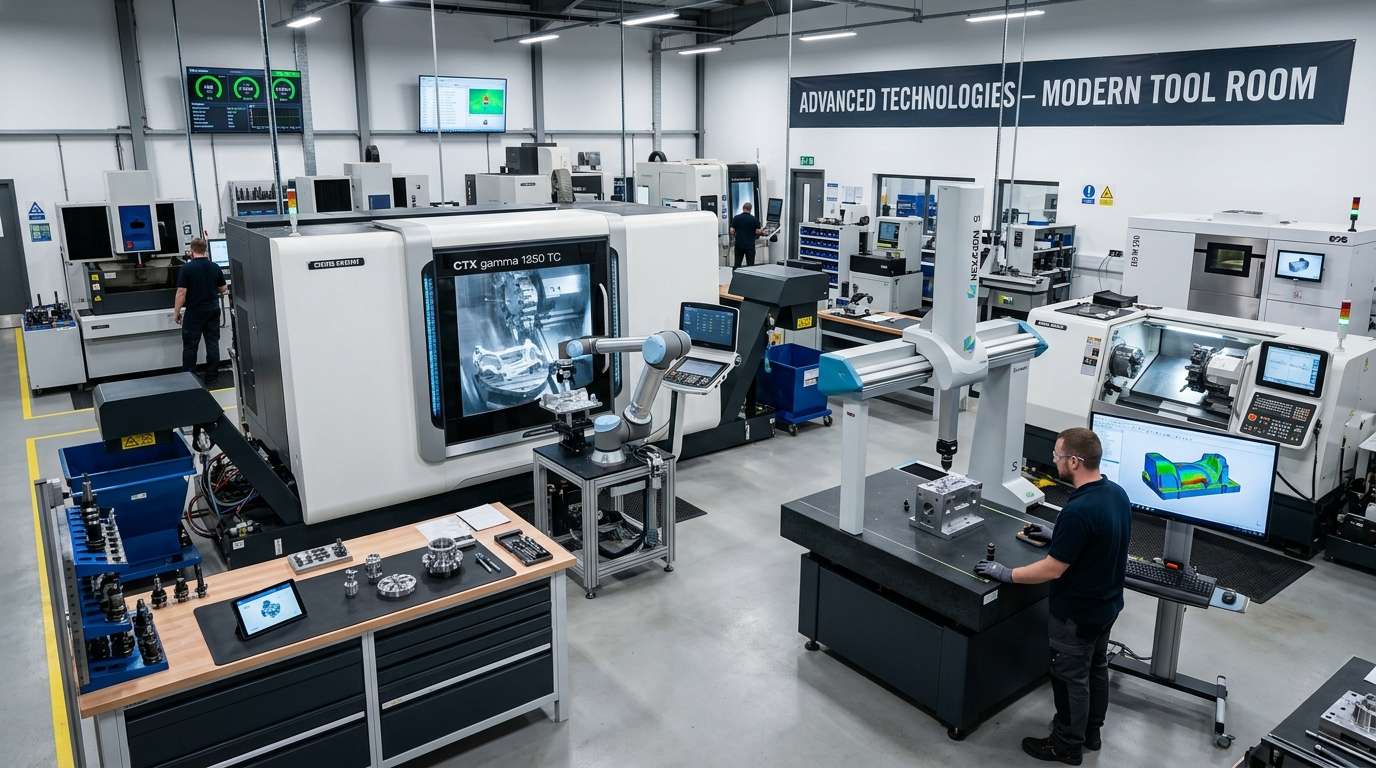
Faster machines now shape how tools are made in the Tool Room. What comes next grows from smart software learning each task. Old methods fade as digital eyes guide the tool room machining process. Change arrives quietly through better materials appearing overnight. Tools think ahead because sensors whisper updates for tool maintenance constantly. This shift hides inside small upgrades piling up fast.
Emerging Trends:
- Automation and robotics in the Tool Room.
- Advanced CNC machines and tool equipment.
- Smart tool maintenance systems.
- Digital design tools for injection mold design.
A boost in speed might come from these updates, improving how fast the tool room machining process gets done. Efficiency could rise as tasks take less time to finish. Productivity may grow because of smoother workflows inside the space. Progress like this often changes how tool equipment is managed every day. Tool maintenance will become even more automated.
Conclusion
A well-kept Tool Room keeps everything moving when accuracy matters most. When designs shift, its role shifts too – handling creation and care of essential tool equipment. Production flows without hiccups because adjustments happen right there through a steady tool room machining process.
Even small mistakes fade when machines are handled by experts who know every part. Because precision matters, workshops stock strong tool equipment built to last through tough jobs. When molds take shape, the injection mold design decides how well things fit later. Keeping gear in good order through tool maintenance isn’t an afterthought – it shapes outcomes from the start. What runs smoothly today often began with careful planning through injection mold design yesterday.
What makes a Tool Room matter becomes clear when you see how things get made faster without spending more. Still, its real strength shows up in keeping every piece exactly right over time through the tool room machining process. Even as machines grow smarter, the Tool Room where tools live stays central to building stuff today. By understanding What is a mold design and prioritizing tool maintenance, factories can ensure long-term success. Not the flashiest spot in the factory, but one few can afford to overlook now.