Introduction
Nowadays in factories, a Tool Room looks nothing like it used to. Gone are the days of hand-powered machines doing every job slowly. Instead, computer-controlled cutting methods power most work behind the scenes. These modern techniques reshape how parts come together piece by piece. Precision comes first thanks to automated motion handling each task. Machines follow digital plans without needing constant oversight. One small error rarely slips through unnoticed anymore. Speed combines with accuracy in ways earlier systems could never match. Within a modern Tool Room, the CNC machining process is the foundation of all production.
Using CNC mills and lathes changed how fast jobs get done, how accurate they are, close to zero errors. Aerospace machining, car production, making devices for health care – each needs parts that fit perfectly, every single time. Because of this need, high-precision tools built for extreme accuracy now see far greater use across factories and workshops. Machines must perform without fault, so better tools keep becoming essential for the CNC machining process.
Nowadays you find CNC machines at the heart of advanced manufacturing needs. Creating intricate shapes happens with extreme precision, every single time. What shifts here is how a Tool Room relies more deeply on automation. Behind each cut lies careful planning through CNC Programming that drives movement. Precision tools come into play where tight tolerances matter most. Across fields like aerospace machining, consistency becomes non-negotiable. The way parts take shape today ties directly to digital instructions feeding machine behavior. Even small errors get ruled out by systematic control methods. Instead of manual tweaks, reliance falls on programmed sequences repeating flawlessly. As demands rise, so does dependence on this kind of setup and the overall CNC machining process.
Evolution of Tool Rooms
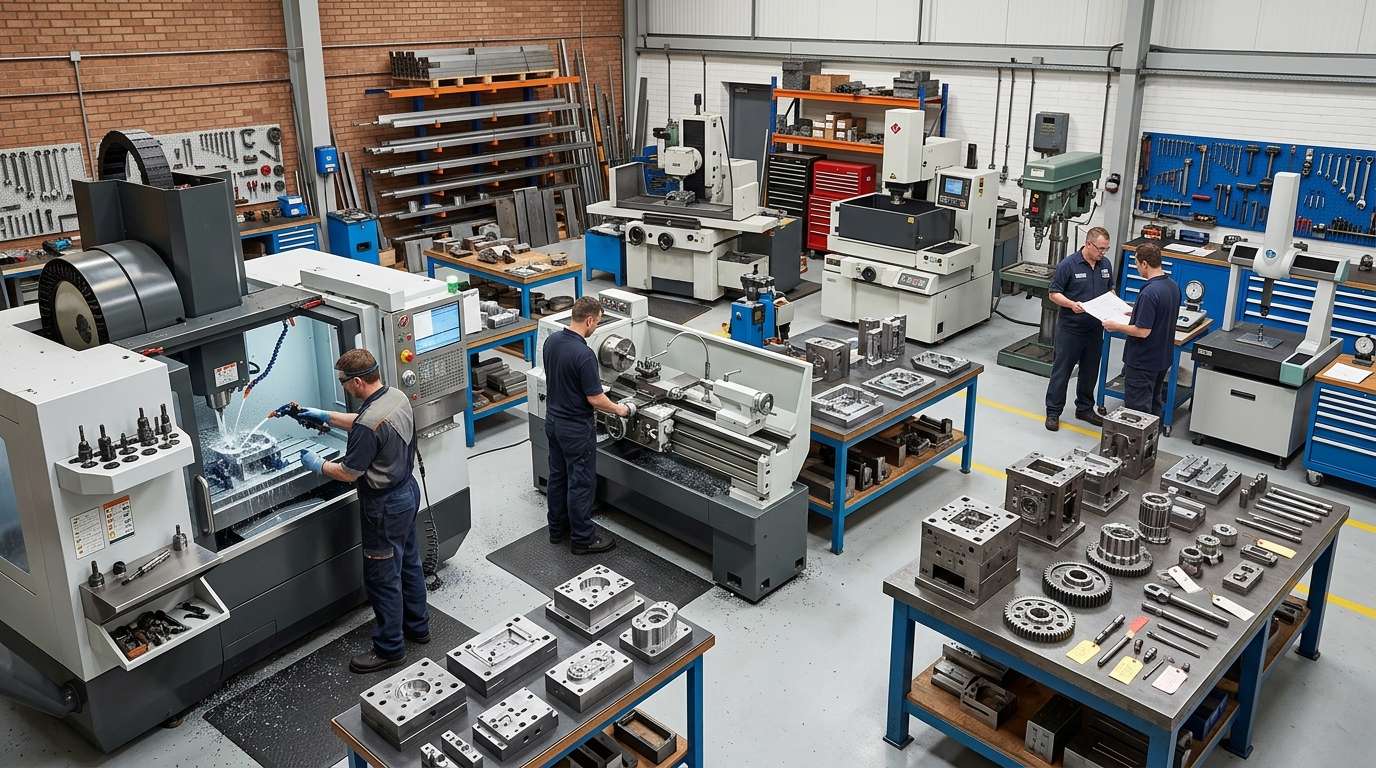
Out of necessity, old-school Tool Room environments leaned hard on hands-on machine work – lathes, drills, mills – all run by people. Those doing the work brought know-how built up over years, guiding every cut and hole with care. Yet even with talent behind each move, things moved slowly, step after step dragging out timelines. Mistakes crept in, not because anyone slipped up, but simply because working entirely by hand leaves room for small flaws.
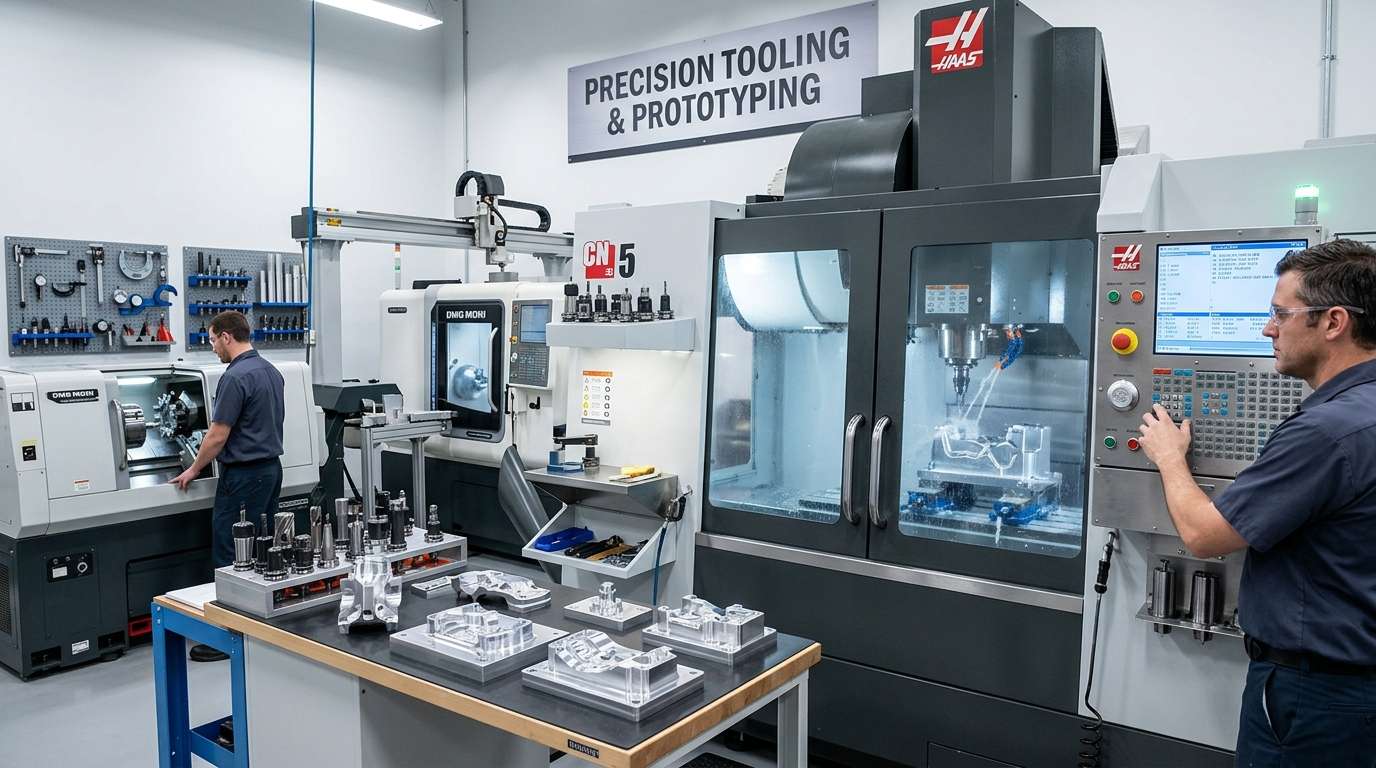
Beginning with coded commands, CNC machines changed how parts are made. Instead of hands guiding tools, computers took over cutting and shaping tasks. These systems followed digital plans to run mills and lathes without constant human oversight. With precision built in, errors dropped sharply compared to older methods. One step at a time, factories shifted toward these automatic setups.
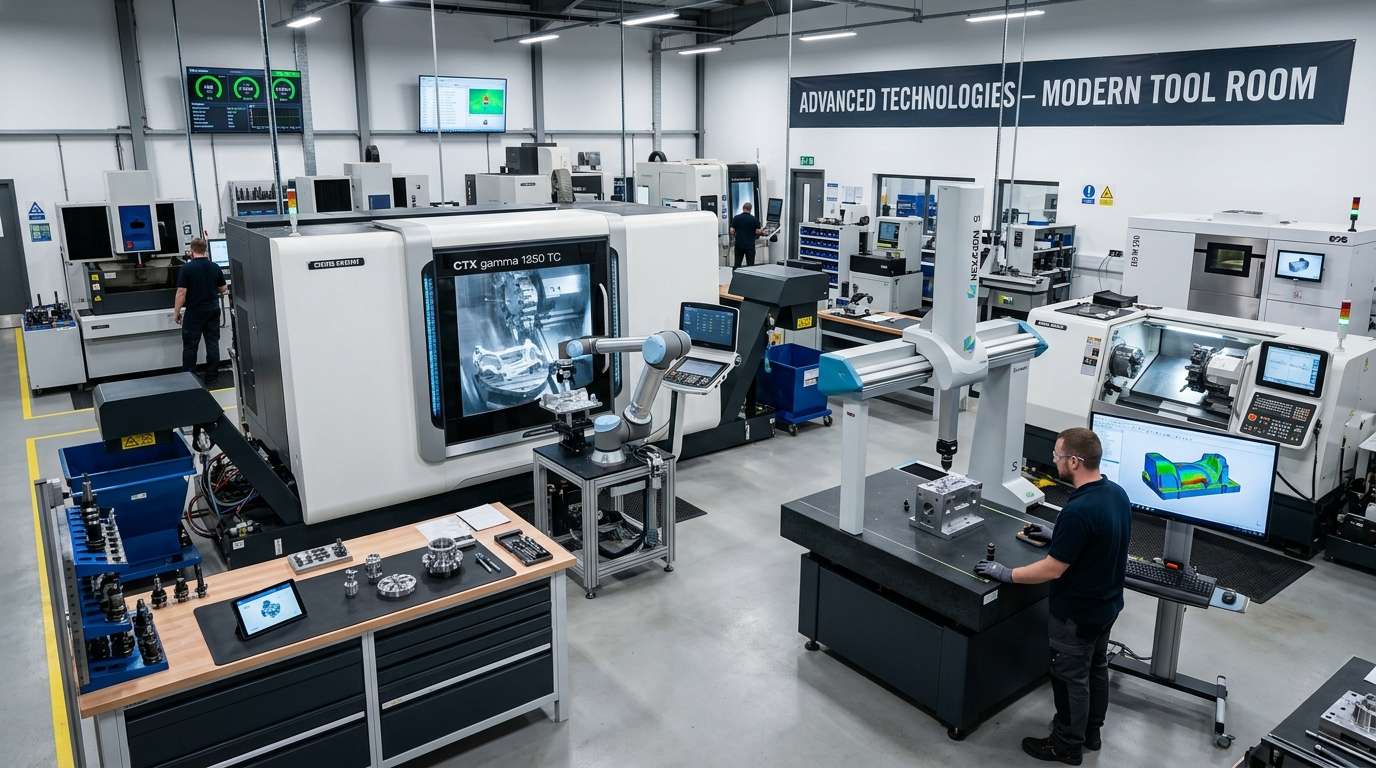
Modern Tool Room facilities now integrate:
- Advanced CNC milling and turning tools
- Sophisticated CAD/CAM systems for CNC Programming
- Automated tool changers
- Precision inspection and high-precision tools for measurement
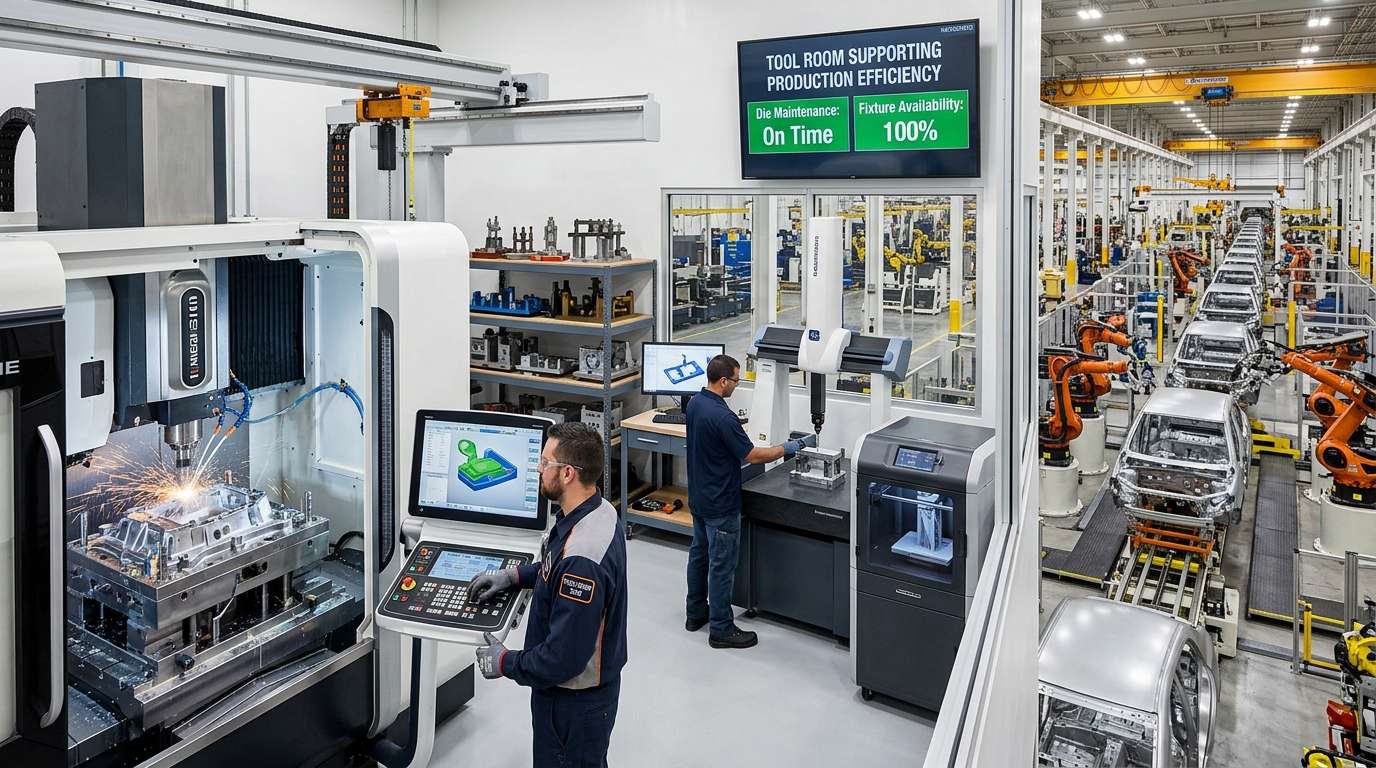
Now things run smoother, with less scrap piling up, while output climbs steadily. Thanks to CNC tech fitting into daily workflows, machine shops transformed – suddenly sharper, faster, able to tackle tough jobs in big batches without slowing down.
What is the CNC Machining Process?
Starting off, computers run special tools that cut away bits of raw stuff until it looks like what engineers want. Instead of guessing, these moves come from exact digital plans made ahead of time. Because every step follows code, each piece turns out nearly identical. Precision lives inside the software before metal ever gets touched. This is the core of the CNC machining process.
The main stages of the CNC machining process include:
- Sketching parts on computers: Helps shape each piece clearly. With digital tools, ideas turn into precise plans easily. Lines form shapes that show how things fit together. Building models this way allows changes fast. Every detail gets locked in before making real versions. Software turns thoughts into exact drawings step by step.
- From sketches to signals: CNC Programming takes shape when plans meet precision tools. A blueprint turns active once lines become commands. Machines follow what the software arranges step by step. Instructions form where ideas connect to motion. Each path written prepares movement ahead.
- Making parts by guiding spinning cutters through metal: Shaping stuff happens when machines move precisely along paths. CNC milling and turning tools spin fast while the workpiece rotates on another setup. Precision comes from computer-controlled motions during cuts. Metal gets removed slowly until the form matches the design.
- Starting with a close look: Checking each part carefully through exact high-precision tools. Precision devices help confirm everything meets the set standard. A steady process ensures nothing slips past unnoticed.
One step flows into the next, so a Tool Room can craft exact tools without delay. Because machines follow coded paths, each piece matches the last – close enough for work that won’t tolerate flaws.
Importance of CNC Programming in Tool Rooms
Machines need clear directions to shape materials correctly. A person writes these steps through CNC Programming so the machine knows exactly what to do. Even high-end equipment fails if the code contains mistakes. Precision in coding makes sure every cut meets expectations. Wrong inputs lead to wasted time and material. The whole process depends on well-written programs behind the scenes.
Key Benefits of CNC Programming
- Accuracy and Consistency: Every piece made through CNC Programming matches the required measurements precisely. In aerospace machining, tiny mistakes might cause big problems.
- Complex Geometry Handling: With advanced CNC Programming, complex patterns emerge – shapes once out of reach for hand-driven tools. Machines follow precise digital paths, crafting details human hands could never replicate. Step by step, layer by layer, accuracy builds where limits used to stand.
- Reduced Human Error: Machines run smoother when they handle tasks on their own, cutting down mistakes people might make. Quality gets a quiet boost without extra effort.
- Increased Productivity: A single tweak in CNC Programming can shrink how long machines run, helping shops crank out extra parts faster. What once took minutes now finishes quicker when instructions get smarter. Speed adds up across every job, giving space back in tight schedules. Less waiting means more pieces move through the door on any given day.
With smarter CNC Programming, machine shops unlock the full power of CNC milling and turning tools, delivering steady precision over time. What matters most is how well each cut aligns with design intent – tiny improvements add up silently in every finished part.
Role of CNC Milling and Turning Tools
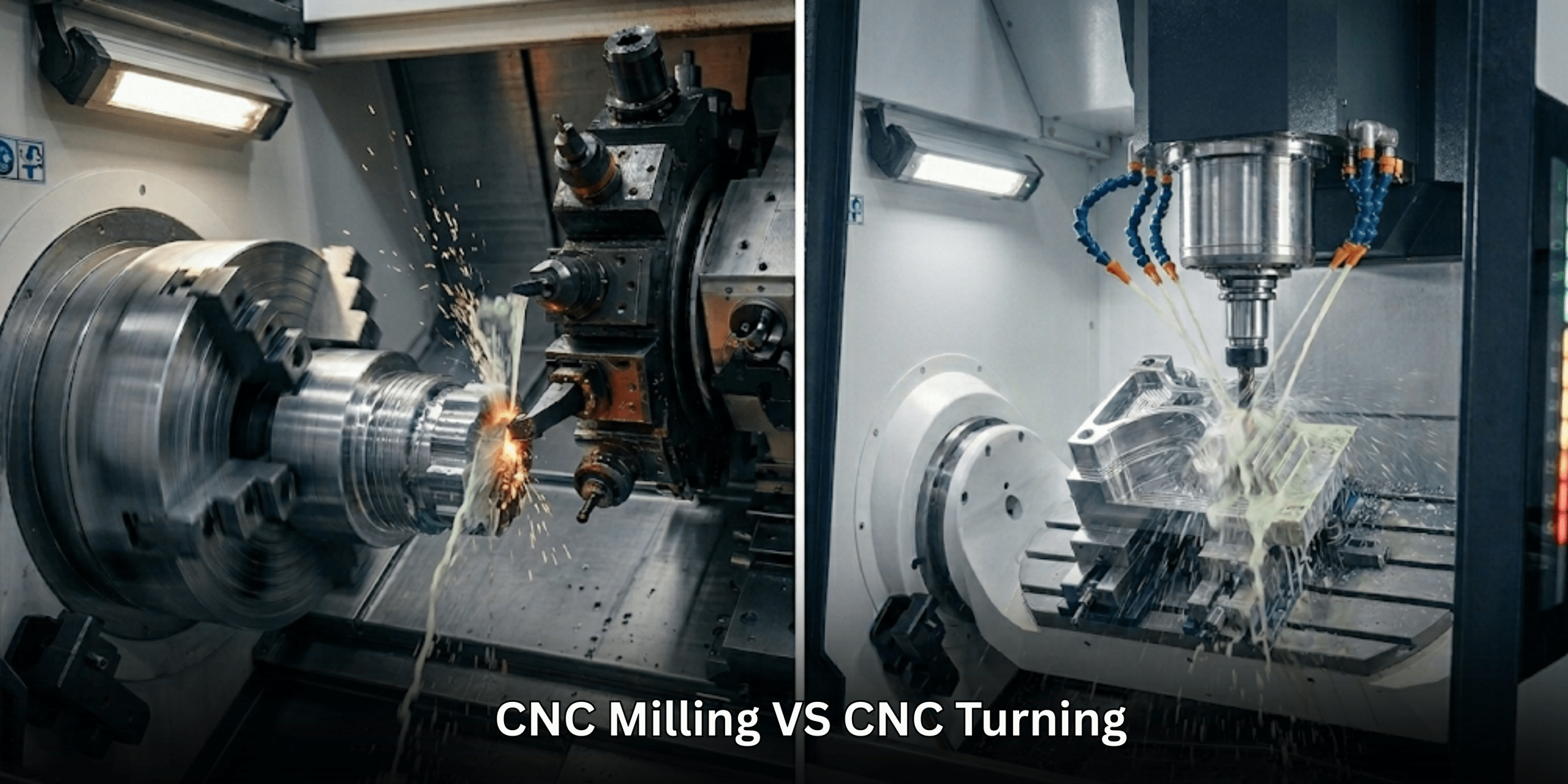
Cutting through metal begins with spinning cutters that shape raw blocks into parts. Precision takes hold when rotating instruments carve details accurately. Tools on these machines adjust to finish surfaces just right.
CNC Milling Tools
Few machines shape metal like CNC mills do – spinning cutters chip away at fixed blocks. Their job? Precision removal, piece by piece. Common across workshops, they handle tasks others can’t touch. Motion stays tight, controlled by code, never freehand. From aluminum slugs to steel forms, bulk gets shaved off fast. Each pass refines the form just slightly. Accuracy builds with every rotation. Industry relies on these cuts being repeatable, exact each time. Complexity doesn’t scare them – one pocket, then another, depths shifting mid-run. Custom shapes emerge without human hands guiding the toolpath. This is a vital part of the CNC machining process.
- Creating complex geometries
- Slot cutting and contouring
- Surface finishing
- Drilling and tapping
CNC Turning Tools
Spinning the part brings it into contact with a fixed cutter, peeling away excess. Perfect shapes like rods, shafts, or sleeves come out clean when this method runs. Motion meets edge – round forms take shape without fuss.
CNC milling and turning tools offer precision, durability, and efficiency:
- Exceptional precision and repeatability
- Faster production cycles
- Capability to handle complex designs
- Consistent quality output
Fitted together, CNC milling and turning tools give workshops the flexibility to meet many kinds of production needs without slowing down. These setups become vital when building equipment that demands exact measurements in a modern Tool Room.
CNC Machines in Aerospace Machining
High above everyday industry, aerospace machining pushes limits like few others. Built for flight, parts need near-perfect precision – mistakes aren’t an option. Tough rules shape every cut, every finish, because safety rides on exactness. Even a fraction off can mean starting over. These machines work under pressure no ordinary factory sees.
Flying machines need parts made just right. That is where spinning tools shaped by computers come in. These high-precision tools carve metal with extreme care. Without such precision work, sky travel would struggle. Computers guide every cut closely. This method supports tough demands of air and space gear. Accuracy becomes possible only through digital control. Machines run without mistakes thanks to automated paths and advanced CNC Programming.
- Production of lightweight yet strong components
- High precision in critical applications
- Consistent adherence to tight tolerances
- Manufacturing of complex geometries
Starting with tough stuff like titanium or mixtures of metals and fibers, shaping parts for flight demands unique methods. Machines run by computer controls – guided through smart CNC Programming – tackle these jobs without slowing down. Finished. Flying machines need parts built just right – precision comes from spinning cutters guided by computers. These tools shape metal with care so every piece works when it must.
High-Precision Tools and Their Significance
Fine accuracy lives at the core of today’s Tool Room spaces, where outcomes depend on tight control. Built for consistency, computer-guided cutting shapes each piece almost exactly as planned within the CNC machining process.
High Precision Tool Characteristics:
- Tight dimensional tolerances
- Excellent surface finish
- Firmness stands strong when pushed hard. Resistance grows through daily use instead of fading away
- Consistent performance
Using Very Accurate High-Precision Tools:
- Aerospace machining
- Automotive manufacturing
- Medical device production
- Electronics industry
Precision from CNC machines makes tools dependable, especially where accuracy matters most. Because CNC Programming is exact, these systems deliver consistent results without extra effort. Machines equipped with modern CNC milling and turning tools keep up with tighter requirements. When details must align perfectly, automated control helps maintain steady performance. Efficiency rises when each cut matches the design down to the smallest feature.
Advantages of CNC Machines in Modern Tool Rooms
- Enhanced Productivity: Starting fast, machines handle repeated jobs without constant human work. Because of this, Tool Room spaces make more parts using less hand labor.
- Improved Accuracy: Starting off, CNC machines rely on exact CNC Programming to function properly. Because of this, they deliver steady accuracy every single time. Such precision matters a lot when making finely detailed tools.
- Flexibility: Fresh code reshapes today’s CNC milling and turning tools fast, so workshops shift tasks without delay. A single change opens new paths instantly.
- Reduced Waste: Fewer scraps come out when machines cut exactly right during the CNC machining process, so spending less happens naturally.
- Better Safety: Fewer hands near spinning blades means fewer accidents on factory floors. Machines handle the sharp work now.
Today’s workshops rely on CNC machines because they handle tough tasks fast. Without them, building aircraft parts through aerospace machining would take much longer.
Integration of Automation and Smart Technologies
Out of nowhere, sensors and software now guide machines in today’s Tool Room. Not just gears turning – intelligence shapes every cut and measurement. Machines talk to each other instead of working alone. Decisions happen faster because data flows without waiting. Tools adapt mid-task rather than follow fixed paths. This shift doesn’t shout – it shows up quietly in precision and pace.
Key Innovations:
- IoT-enabled CNC machines for real-time monitoring
- AI-based CNC Programming optimization
- Automated tool management systems
- Predictive maintenance technologies
Now machines cut metal faster because new tech makes them smarter. With better sensors and high-precision tools, they fix small errors before mistakes happen. Some systems even adjust settings while working, which keeps things running longer. Fewer pauses mean more parts made each day. Precision improves when software guides every move. Over time, these tweaks add up to big gains in output.
Challenges in CNC-Based Tool Rooms
Even so, running CNC machines comes with hurdles. Not everything works perfectly every time. Some issues pop up now and then in the Tool Room. Problems show themselves during setup. Mistakes can happen even with automated systems. Precision demands attention. Each step needs careful watching. Unexpected delays might occur. Materials sometimes behave unpredictably. Machine wear affects results over time.
- High initial investment costs
- Requirement for skilled professionals in CNC Programming
- Maintenance and calibration needs for high-precision tools
- Software and hardware integration issues
Still, good preparation along with practice makes handling those issues possible. When it comes to fields such as aerospace machining, what CNC machines offer over time easily covers their downsides.
Future of CNC Machines in Tool Rooms
One day soon, the CNC machining process might surprise everyone. As tech moves forward, these machines could do more than before – slow changes adding up quietly. Machines may start handling tasks once thought impossible, simply by learning new tricks over time.
Emerging Trends:
- Increased use of AI in CNC Programming
- Development of advanced materials for aerospace machining
- Hybrid machining technologies
- Greater demand for high-precision tools
Efficiency in the Tool Room could rise as new trends reshape how CNC milling and turning tools perform. A shift toward smarter systems may boost output while sharpening precision across operations. When factories want tighter accuracy along with quicker output, computer-guided cutting stays central to how things get built. Machines that follow digital plans won’t fade from workshops because speed and exactness keep mattering more.
Conclusion
Cut by cut, machines guided by computer commands now shape how workshops operate. Instead of old-school methods, digital precision takes over – making parts faster, better. With smart CNC Programming behind each move, plus rugged tools built for speed, results come out right almost every time. Efficiency climbs when CNC milling and turning tools work hand in glove with software that never guesses.
Precision tool production in fields like aerospace machining leans on CNC systems to hit tight quality benchmarks. With tech shifting forward, these machines are set to become central in how any Tool Room operates down the line.
Success might come easier to shops using CNC methods, especially when they train people well in CNC Programming. Newer CNC milling and turning tools keep getting better, so factories stay ready for tougher jobs needing exactness, strong builds, fast work. These upgrades help them handle rising needs within the CNC machining process without slowing down.